The most dangerous clue in the Nancy Guthrie case may be the one that sounds helpful: a “third letter” that asks for exactly one Bitcoin.
Quick Take
- Nancy Guthrie, 84, was taken from her Tucson home on February 1, 2026; surveillance shows a masked person approaching the door and obscuring it with foliage.
- Ransom letters went not to police first, but to TMZ and Tucson TV stations, demanding Bitcoin and promising a rapid return to Tucson after payment.
- Deadlines passed even as Savannah Guthrie publicly offered to pay, raising hard questions about whether the notes reflect a real negotiation or a manipulation campaign.
- The FBI released suspect images and offered a $50,000 reward; investigators have discussed clues suggesting the writer may be local to the Tucson media market.
A Tucson Abduction With a Modern Twist: Media as the Drop Box
Nancy Guthrie vanished from her Tucson, Arizona home in the early hours of February 1, 2026, and the details immediately pushed this beyond a standard missing-person alert. She is 84, reported to need daily medication, and has a pacemaker—facts that compress every investigative timeline. Surveillance footage described in reporting shows a masked figure approaching her front door and covering it with foliage, a small move that signals planning, not panic.
The communications that followed created the case’s signature oddity: ransom letters sent to TMZ and local Tucson television stations, not simply to law enforcement. That choice matters because it weaponizes publicity. A kidnapper who writes to a national celebrity outlet and local stations at the same time can steer the narrative, apply pressure to family, and force police to operate under a spotlight. The method also creates noise that scams thrive on.
What the Ransom Letters Reveal—and What They Don’t
Early letters reportedly demanded $6 million in Bitcoin and included a promise that Nancy would be driven back to Tucson within about 12 hours after payment. Driving, not flying, reads like a practical constraint: it implies regional proximity and fear of airport surveillance. Reporting also described clues pointing to a search radius that could extend hundreds of miles. Each detail feels designed to sound “operational,” the way a professional might write.
Deadlines then passed, and Nancy did not come home. Savannah Guthrie’s public offer to pay sharpened the contradiction: kidnappers who want money rarely ignore a willing payer. That doesn’t prove a hoax; negotiations fail and criminals make mistakes. It does, however, match a common pattern in high-profile cases where letters and emails become their own cottage industry—messages that look like action but mostly create confusion, tips, and false leads.
The “Third Letter” Problem: When a Tip Starts Acting Like a Ransom
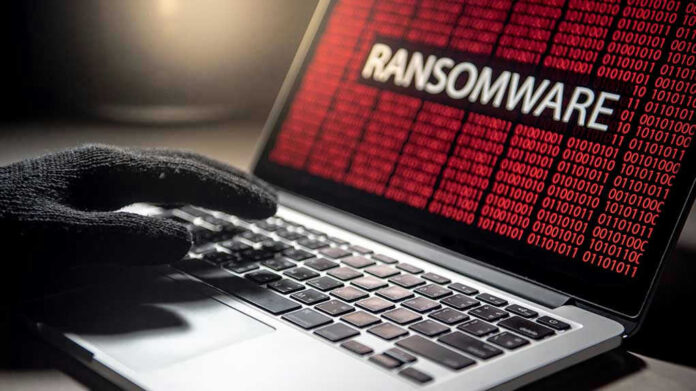
A later development raised the stakes and the skepticism at the same time. A “third letter” described in coverage reached TMZ shortly before Harvey Levin discussed it publicly, and it did not claim to be from the kidnapper. Instead, it purported to come from someone who “knows” who did it and demanded payment of one Bitcoin to a verified active address. The amount drew attention because it roughly matched the FBI’s reward value.
That symmetry—one Bitcoin versus a $50,000 reward—should set off alarm bells for anyone with common sense. Rewards exist to encourage truth-telling, not to let private actors auction off hints. A genuine witness can contact the FBI and preserve credibility; a witness who asks for crypto prepayment starts to resemble a marketer, not a helper. Ex-FBI voices cited in coverage said they were very skeptical and warned it could be a scam.
Law Enforcement’s Hard Reality: Publicity Helps, Publicity Hurts
The FBI released surveillance images of a masked suspect and announced a $50,000 reward for information leading to recovery and arrest. That is the sober side of the case: images, tips, and pressure on anyone in the suspect’s orbit to talk. Investigators have also floated the notion that the note-writer may be the kidnapper and may be local, based in part on the targeted selection of Tucson-area stations.
Media involvement cuts both ways. It can flush out witnesses who recognize a walk, a vehicle, or a turn of phrase. It can also invite opportunists to insert themselves into a live investigation. Conservatives tend to trust straightforward incentives and clear rules: call the tip line, provide facts, let professionals verify. A ransom-letter ecosystem routed through outlets and personalities blurs that line, and it risks turning a life-or-death manhunt into a contest for attention.
Why the Case Grips the Country: Vulnerability, Bitcoin, and Celebrity Gravity
The public fixation isn’t only about Savannah Guthrie’s fame. The uncomfortable center of the story is an elderly woman with serious medical needs who can’t simply “wait it out.” Add Bitcoin, and you get a uniquely modern fear: criminals can demand money that moves fast, crosses borders, and feels irreversible. Add a promise like “12 hours after payment,” and you get a ticking clock designed for television segments and social media.
The case also highlights how criminals—or impersonators—study institutions. Sending letters to specific local stations suggests knowledge of the Tucson media market and how quickly those stations can amplify a message. If the writer is educated and careful, as some coverage suggested, that still doesn’t answer the only question that matters: where is Nancy Guthrie? Every extra “clever” detail can be either a breadcrumb or a smokescreen.
The next break will likely come from something unglamorous: a neighbor’s camera angle, a vehicle sighting inside that suggested radius, a purchase trail, or someone deciding the risk of staying quiet exceeds the risk of talking. The public can help by staying disciplined—ignore crypto solicitations, report concrete observations, and let the FBI sort signal from noise. Ransom stories thrive on emotion; successful recoveries thrive on verified facts.
Sources:
Nancy Guthrie Ransom Letter, Search Radius Tucson
Ex-FBI official flags possible scam as third alleged Nancy Guthrie letter emerges
Nancy Guthrie Kidnapper Is From Tucson
Third Ransom Note In Nancy Guthrie Abduction Released