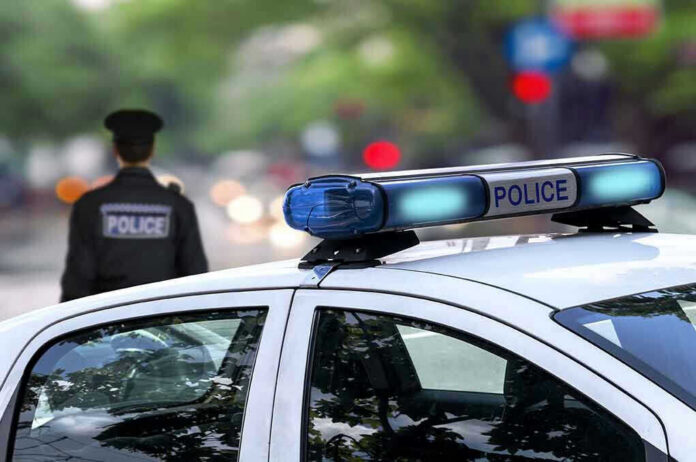
Buffalo taxpayers just shelled out $700,000 because corrupt cops allegedly planted crack cocaine on a man who dared to file a complaint against them—and not a single officer faced criminal charges.
Story Snapshot
- Bruce McNeil was pulled over, searched, and had his vehicle damaged on Memorial Day 2019, then threatened with jail when he tried to file a police complaint
- Officers allegedly conspired to plant crack cocaine evidence and charge McNeil in retaliation, leading to his arrest before prosecutors dropped the case by refusing to call the officers to testify
- Buffalo approved $700,000 settlement for McNeil as part of $1.68 million in police misconduct payouts, with Officer Patrick Garry alone costing taxpayers over $88,000 in settlements
- No disciplinary action against the officers was mentioned despite the conspiracy, acquittal, and continued harassment of McNeil through 2020
When Filing a Complaint Becomes a Crime
Bruce McNeil’s nightmare began on Memorial Day 2019 in Buffalo, New York, when Officers John Davidson and Patrick Garry pulled him over without explanation. McNeil was detained, searched, and released without charges or even a traffic citation, but his vehicle sustained damage during the encounter. When McNeil attempted to exercise his constitutional right to file a complaint at the precinct, a lieutenant immediately threatened him with jail, claiming marijuana was found in his car. McNeil returned with his mother for support, only to face the same threat from a second lieutenant. This pattern of intimidation reveals how some law enforcement agencies punish citizens who seek accountability.
The Alleged Conspiracy to Fabricate Evidence
According to lawsuit filings, what happened next exposes a disturbing abuse of power. Officers Davidson, Garry, Lt. Velez, and other unnamed officers allegedly conspired to claim that crack cocaine found in their patrol car belonged to McNeil. This fabricated evidence led to McNeil’s arrest in front of his mother, turning a simple complaint into a criminal charge designed to silence him. The case fell apart in December 2019 when prosecutors declined to call Davidson and Garry to testify, resulting in McNeil’s acquittal. This prosecutorial decision speaks volumes about the credibility of the officers’ claims and raises questions about why criminal charges weren’t pursued against the conspirators.
Pattern of Misconduct and Taxpayer Burden
Officer Garry’s involvement in McNeil’s case fits a troubling pattern. Prior to this settlement, Garry cost Buffalo taxpayers $41,500 in a 2023 settlement with Chevalier Jones for beating him over a flashlight dispute and filing false charges, plus $11,500 to Rochelle Alston. In 2024, Garry and Davidson together generated another $35,000 in settlements. The March 2026 council approval of McNeil’s $700,000 payout brings Garry’s documented taxpayer cost to over $88,000, not counting the 2024 incidents shared with Davidson. Meanwhile, hardworking Buffalo families continue paying the price for misconduct while their local government focuses on writing checks rather than implementing real accountability measures or officer discipline.
Retaliation Continues Without Consequences
McNeil’s ordeal didn’t end with his acquittal. In April 2020, Officer Garry pulled McNeil over again, taunting him by referencing the rejected plea deal and noting no drugs were found “this time.” This brazen harassment demonstrates how officers who face no consequences grow emboldened. The city’s Corporation Counsel requested Common Council approval for the $1.68 million in settlements, signaling systemic dysfunction rather than isolated incidents. Buffalo residents concerned about government overreach and fiscal responsibility should demand answers about why officers involved in alleged evidence planting, conspiracy, and retaliation remain on the force. McNeil’s settlement compensates him for trauma, potential job loss, and constitutional violations, but it does nothing to prevent the next victim.
Broader Implications for Police Accountability
This case mirrors national trends in police misconduct settlements, from Chicago’s Civilian Police Data Project tracking millions in payouts to cases like the Ronald Watts shakedown scandal. Buffalo’s approach—pay settlements while avoiding officer discipline or criminal prosecution—fails both taxpayers and citizens who depend on honest law enforcement. The fact that prosecutors wouldn’t call the officers to testify in McNeil’s criminal trial suggests the evidence against them was too weak or their credibility too compromised. For conservative Americans who value the Constitution, limited government, and fiscal responsibility, this represents everything wrong with unaccountable institutions that prioritize self-protection over justice and burden taxpayers with the consequences of officer misconduct.
Police Slap Fake Drug Charge on Man After He Tried to Report Them – Now the City Will Pay
https://t.co/DUg1Vrc0GH— Townhall Updates (@TownhallUpdates) March 24, 2026
McNeil’s $700,000 settlement stands as a reminder that without real accountability, police departments will continue operating like protection rackets where the cost of corruption gets passed to citizens. Buffalo taxpayers deserve leadership that holds bad actors criminally responsible, implements genuine reforms, and stops treating misconduct settlements as routine budget items. Until that happens, families like McNeil’s will continue suffering retaliation for demanding what the Constitution guarantees, while hardworking taxpayers foot the bill for those who abuse the badge.
Sources:
Police Slap Fake Drug Charge on Man After He Tried to Report Them – Now the City Will Pay
Ronald Watts Victim Sues for City’s Report