
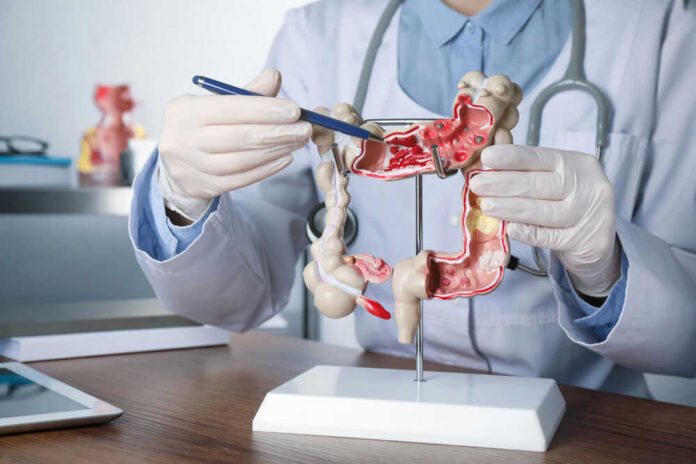
Ninety percent of colorectal cancers can now be detected with a simple stool test, threatening to upend a screening ritual that millions have dreaded for decades.
Story Snapshot
- Researchers at the University of Geneva have built the world’s first detailed catalogue of gut bacteria at the subspecies level, powering a highly sensitive non-invasive cancer test.
- Machine learning models trained on this catalogue identify colorectal cancer with 90% sensitivity from stool samples—rivaling colonoscopy.
- This breakthrough promises accessible, affordable screening for millions resistant to invasive procedures.
- The research may open doors to new diagnostics for other diseases, shifting global cancer prevention strategies.
Colonoscopy’s Reign Faces Its First True Challenger
Every year, millions avoid or delay colonoscopies, haunted by the prospect of invasive tubes, sedation, and awkward preparation. Colorectal cancer remains the world’s second deadliest cancer, in part because too many people skip early screening. The University of Geneva’s team, led by Professor Mirko Trajkovski, has potentially changed that narrative forever. By mapping the gut’s microbial universe at a depth never before achieved, they have given clinicians a new lens—one that peers into a stool sample and sees the earliest whispers of cancer.
The innovation lies in the details: previous attempts to use gut bacteria for cancer detection stalled at the species or strain level. The Geneva researchers went deeper, charting the subspecies landscape using advanced machine learning. This approach captures subtle, functionally relevant differences that older methods missed. Their subspecies-level diagnostic model, now published in *Cell Host & Microbe*, scans stool samples for a microbial signature unique to colorectal cancer—achieving 90% sensitivity, a number that rivals the best colonoscopy outcomes.
The Microbial Blueprint That Changes Everything
Gut microbiome research has long hinted at links between bacteria and cancer, but translating that into diagnostics proved elusive. Species-level analysis glossed over the diversity that exists within bacterial communities. Trajkovski’s team tackled this by assembling a comprehensive bioinformatics pipeline, led by PhD student Matija Trickovic, to build the first exhaustive subspecies catalogue. The result: for the first time, a non-invasive stool test matches the gold standard for accuracy and reliability in detecting colorectal cancer.
Clinical partners provided the critical patient samples, ensuring real-world validity. The model’s success across diverse populations suggests robust reproducibility, a key hurdle for previous non-invasive tests. Early results show this method outperforms existing fecal immunochemical tests, which have always lagged behind colonoscopy in sensitivity. For healthcare systems, especially in low-resource settings, this breakthrough spells hope for affordable, mass-scale screening with minimal discomfort or risk.
What’s at Stake: Lives, Equity, and the Future of Diagnostics
Colorectal cancer’s rising incidence among younger adults, coupled with the persistent stigma and inaccessibility of colonoscopy, has fueled calls for better solutions. The Geneva catalogue, and the diagnostic tools it empowers, may redefine how we approach not just cancer detection but preventive health more broadly. Patients who once avoided screening may now access life-saving tests at a fraction of the cost and inconvenience. For public health authorities, the path to earlier intervention and reduced mortality suddenly looks much clearer.
The story does not end with colorectal cancer. Experts across the field predict that this microbial mapping technology could unlock diagnostic clues for a host of chronic diseases, from inflammatory bowel disease to metabolic disorders and beyond. Commercialization, regulatory approval, and large-scale validation lie ahead—but the foundation is set. Peer-reviewed publication, broad media coverage, and consistent results across independent sources have made this one of the most credible and consequential advances in recent memory.
Sources:
University of Geneva official press release