A U.S. Air Force service member died after a pregame rappelling fall at the Alamodome, and the Air Force says the mishap is under investigation.
Story Snapshot
- The Air Force confirmed the airman died after a rappelling fall before the UTSA–Navy game.
- Nellis Air Force Base said the service member died at a local hospital and named the unit.
- Officials say the incident is a mishap under investigation; details remain limited.
- The event highlights safety risks in public military demonstrations and how the Air Force probes them.
Confirmed Death And Immediate Response
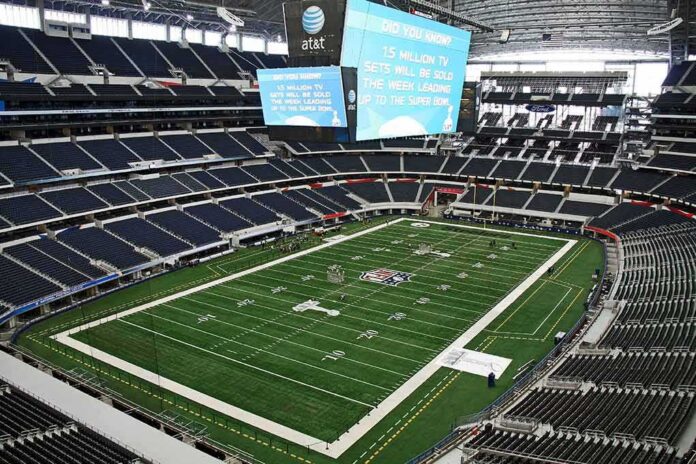
Nellis Air Force Base Public Affairs said a U.S. Air Force service member fell while attempting to rappel from the Alamodome rafters in San Antonio on Saturday. The airman was taken to a local hospital and died from injuries, according to the Air Force statement reported by major outlets. The fall happened before the University of Texas at San Antonio football game against Navy. Officials did not release the person’s identity, pending notification of next of kin.
Event organizers and school officials expressed sympathy to the family and the military community. The pregame ceremony involved multiple uniformed members descending from the stadium structure as part of a planned display. The University of Texas at San Antonio acknowledged the shock to fans and campus members who witnessed the accident and offered support resources. The school also noted that game activities were affected as first responders and teams handled the emergency on site.
What We Know About The Unit And The Setting
Nellis Air Force Base said the service member was assigned to the 6th Combat Training Squadron, Detachment 2. Reports described the display as a coordinated rappel from high inside the dome before kickoff. News coverage noted that four service members took part in the demonstration, which is a common feature at games that honor military service. The stadium’s height and lighting conditions can add complexity to rope work, even for skilled teams trained for these events.
Large public demonstrations are meant to connect communities with the military’s mission and skills. They also carry real risk. Trained teams practice procedures, check gear, and brief contingencies. Still, uncontrolled slides or sudden load shifts can become deadly at height. The Air Force’s focus after any fatal event is to secure the scene, document evidence, and protect families while investigators gather facts. That process often limits what can be shared early on.
How The Air Force Investigates A Mishap Like This
The Air Force classifies any unintended event that causes death, injury, illness, or damage as a “mishap” and requires an investigation. Commanders stand up an Interim Safety Board to secure evidence and start fact-finding. Safety boards collect data on equipment, procedures, training, and supervision to prevent a repeat. Their reports are protected by safety privilege and are not released outside the Department of Defense safety community.
Safety privilege exists to get full, honest input from witnesses and experts without legal risk. Public Affairs can release factual updates as allowed by command authority, but analysis, conclusions, and recommendations from safety boards remain restricted. Separate processes may produce public records later, but those do not include the privileged safety analysis. This system aims to cut repeat hazards, even if the public sees only limited details while the review is active.
Why This Hits A Public Nerve
Fans came to honor service and enjoy a game, then watched a tragedy unfold on the field. Many Americans respect these displays but also worry when spectacle overtakes safety. People on the right and the left ask the same core questions: Who approved the plan, what checks were in place, and how will leaders fix what failed? They want a clear answer and real change, not vague promises or slow-walked reports.
"US Air Force Service Member Dies After Falling 150 Feet During Pregame Rappelling Demonstration at San Antonio's Alamodome"
➡️ A US Air Force service member assigned to the 6th Combat Training Squadron, Detachment 2, based out of Joint Base San Antonio-Camp Bullis, died…
— BreakinNewz (@BreakinNewz01) October 18, 2026
Families also expect straight talk about risk. Military units have strong safety cultures, yet rare failures still occur. The Air Force says this incident is under investigation. That means full details on cause may take time, and some analysis may never be public due to safety privilege. The measure of accountability will be whether the service identifies root causes and applies fixes across teams that perform high-risk public demonstrations.
What Comes Next
Authorities will notify next of kin, honor the fallen airman, and support the unit. Investigators will inspect ropes, harnesses, anchors, and descent devices. They will review training logs, rehearsals, and command approvals for the event. Leaders will decide whether to pause similar demonstrations until they confirm safe procedures. The Air Force’s public updates will likely name the airman after family notice and share basic findings allowed under policy.
Sources:
thegatewaypundit.com, txgazette.com, usatoday.com, x.com, news18.com, usnews.com, afmc.af.mil, safety.af.mil, static.e-publishing.af.mil
© standardnewsdaily.com 2026. All rights reserved.