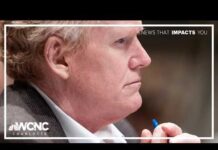
In open court, Luigi Mangione said, “I shot Mr. Thompson in Manhattan and he died,” and then pleaded guilty to federal stalking tied to the killing.
Story Snapshot
- Luigi Mangione admitted he shot UnitedHealthcare chief Brian Thompson and pleaded guilty to federal stalking.
- Prosecutors say he planned the attack for months, traveled to New York, and stalked Thompson before the shooting.
- Court filings and reports describe research of an investor event and parts of a 3D-printed gun.
- The case highlights rising fear and anger over crime and institutions, which media often amplify.
What Mangione Admitted In Court
On August 14, 2026, in a Manhattan federal courtroom, Luigi Mangione admitted he shot Brian Thompson, the head of UnitedHealthcare. He then pleaded guilty to two federal charges of stalking with intent to kill. Reuters reported his exact words: “I shot Mr. Thompson in Manhattan and he died.” That on-the-record statement removes doubt about who fired the gun and anchors the case in a clear, verified fact.
Federal prosecutors allege the stalking conduct tied directly to the killing. The charges focus on travel, planning, and surveillance that led to the fatal act. A guilty plea in federal court does not resolve every legal issue that could arise at the state level. But it sets a strong factual base for federal sentencing. Legal experts say such pleas often carry severe penalties in violent cases.
How Prosecutors Say The Plot Took Shape
A signed federal complaint filed in December 2024 outlines a months-long plan. It says Mangione traveled from Georgia to New York to stalk and kill Thompson. It alleges he followed Thompson for days and then carried out the shooting in Midtown. Investigators wrote they identified Mangione as the shooter using photo comparisons and arrest photographs. The document frames the crime as targeted, not random, and built on travel and surveillance steps.
Media accounts, drawing on prosecutors and court statements, add more detail. Reports describe research into an investor conference where Thompson would appear. They say Mangione posed as an investor to learn event details. Journalists also cited statements that he made or modified parts of the gun with a 3D printer and brought a silencer and magazine to New York. These points, if accepted by the court, show intent and preparation beyond a moment of rage.
Evidence Of Motive And Planning
Police and prosecutors say they recovered writings that point to motive and planning. The New York Times reported that a notebook referenced attending a conference to assassinate an executive, including a stark line about “take out CEO” at a “bean-counter” event. Those details, if accurate and admitted into evidence, tend to show a targeted goal rather than a general grievance or confusion.
Reuters reported that Mangione told the court he researched the conference after suffering a back injury and dealing with health insurance. Prosecutors say his writings singled out the insurance industry as a target. Together, the admissions and alleged notes suggest anger at the system that turned into a violent plan. That does not excuse the act. It shows how private pain can harden into public harm when lines are crossed.
Why This Case Hits A Nerve Nationally
Americans across the spectrum see a system that feels rigged and unresponsive. Many believe powerful institutions protect their own while families fight rising costs and paperwork. When a high-profile executive is killed, it intensifies debate about inequality, health coverage, and safety in public spaces. Research also shows crime coverage can heighten fear and distrust, especially when stories focus on shocking details without wider context.
🚨 BREAKING NEWS
Luigi Mangione pleaded guilty to federal stalking charges in Manhattan federal court, admitting directly to the judge that he shot and killed UnitedHealthcare CEO Brian Thompson outside a midtown hotel in December 2024.
Appearing in a beige prison jumpsuit…
— Satguy 141 (@satguy01) August 14, 2026
This case demands two things at once: firm justice for a planned killing and steadiness in how we process it. Courts must weigh facts, not rage. Media must inform, not inflame. People can hold two truths: the victim and family deserve full accountability, and the broader health and cost frustrations are real for millions. The law cannot allow violent “answers.” The country must find lawful, practical fixes that reduce the pressure building under daily life.
Sources:
facebook.com, reuters.com, washingtonpost.com, justice.gov, cnn.com
© standardnewsdaily.com 2026. All rights reserved.