standardnewsdaily.com — When a chemical tank imploded at a Washington paper mill and 11 workers never came home, it exposed not just a deadly safety failure, but a system that too often treats frontline Americans as expendable.
Story Snapshot
- Authorities now confirm 11 workers died in the Longview, Washington paper mill tank implosion, with all victims identified by the county coroner.
- Federal investigators are probing how a massive “white liquor” tank at the Nippon Dynawave Packaging mill could fail so catastrophically.
- Roughly 550,000–570,000 gallons of highly caustic chemicals were released, with confirmed spikes reaching the Columbia River.[2][3]
- The tragedy fits a pattern where regulators and corporate leaders react after disaster, while workers and nearby communities bear the risk.[1][2][3]
What Actually Happened at the Longview Paper Mill
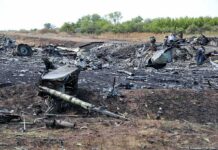
The disaster began when a huge tank holding “white liquor” — a caustic mix of sodium hydroxide and sodium sulfide used to make paper pulp — suddenly failed at the Nippon Dynawave Packaging mill in Longview, Washington.[1][2] The tank had a capacity of about 900,000 gallons and was believed to be roughly 60 percent full at the time, or around 600,000 gallons.[2][3] Officials later estimated that about 550,000 to 570,000 gallons escaped the tank during the incident.[3]
Local authorities and company officials described the event variously as an implosion, rupture, blast, or catastrophic failure of the chemical tank.[1][3] Emergency responders reported that nine workers were unaccounted for shortly after the incident, on top of those who had already been transported to hospitals with severe injuries.[3] The failure struck during a shift change, meaning workers were gathered in a common area when the tank gave way, which helps explain the unusually high death toll.[2]
From “Multiple Fatalities” to 11 Lives Lost and Named
Federal investigators from the U.S. Chemical Safety Board (CSB) announced they were opening a formal investigation into what they described as a “fatal chemical tank implosion,” noting initial reports of multiple fatalities, serious injuries, and several workers unaccounted for.[1] As recovery progressed, officials confirmed two workers had died at area hospitals, while nine more remained missing and were presumed dead based on the destruction at the site.[2][3]
Days later, Longview’s fire chief told reporters that crews had recovered the bodies of all nine missing workers, bringing the total death toll to 11.[2] The Cowlitz County coroner publicly released the names and ages of all 11 victims, confirming that every worker killed in the disaster had been identified.[2] Local coverage highlighted who these people were: brothers working side by side, a grandfather co‑worker known for helping others, and a trivia champion whose life ended on a routine shift. For families and co‑workers, these were not statistics; they were providers and neighbors.
Chemical Spill, River Spikes, and Community Risk
Officials said continuous monitoring systems recorded sharp spikes in high‑pH material flowing from the mill’s outfalls into the Columbia River shortly after the tank failed, with additional spikes a few hours later.[3] Incident commanders told reporters that roughly 25,000 gallons of material remained in the damaged tank and was leaking slowly, while the rest — more than half a million gallons — had left the tank since the blast.[2][3] They emphasized that remaining product on site was being contained and neutralized to reduce ongoing risk.[3]
Local water officials reported that testing showed municipal drinking water drawn from deep aquifers remained safe, with wells described as well protected from surface contamination.[2] At the same time, response leaders acknowledged that some portion of the highly caustic white liquor reached the Columbia River in the first minutes after the failure, even if the precise volume may never be known.[2][3] That uncertainty feeds long‑standing public distrust about whether regulators tell the full story when industrial chemicals hit shared waterways.
Federal Probe, Safety Records, and a Familiar Pattern
The U.S. Chemical Safety Board said its investigators would examine the tank design, maintenance history, and operating conditions to determine why the structure failed and whether corrosion, pressure issues, or other factors played a role.[1] Local officials referenced “open inspections” at the mill but declined to detail past violations while the investigations proceed.[3] Trade reporting noted the company called the event a chemical tank collapse with multiple casualties and said it was cooperating fully with investigators.[3]
Regional reporting has since explored the mill’s prior environmental and compliance history, raising questions about whether earlier warning signs were missed or minimized. For many Americans on both left and right, that storyline feels familiar: a major industrial employer with a record of issues, regulators stretched thin or slow to act, and only after a catastrophe do agencies arrive in force with press conferences and promises of accountability. Workers and nearby communities end up absorbing the risk long before the cameras show up.[1][2][3]
Why This Disaster Resonates Across the Political Divide
Conservatives who worry about global corporations and distant regulators overriding local interests see another example of ordinary workers paying for decisions made in corner offices and agency conference rooms. Liberals who focus on worker protections, environmental justice, and the growing gap between executives and hourly employees see a deadly failure of corporate responsibility and government enforcement. Both instincts track with the facts that it took a catastrophic tank failure, 11 deaths, and a massive chemical spill to trigger full federal attention.[1][2][3]
Officials now stress that there is “no risk” to the wider community and that a thorough review is underway.[2][3] But for families who had to wait days as recovery teams searched the wreckage for loved ones, those assurances can ring hollow. The Longview disaster underscores a hard reality Americans across the spectrum increasingly share: whether the issue is industrial safety, environmental protection, or basic workplace oversight, government too often acts after the damage is done, not before. The question hanging over Longview is whether this time anything changes.
Sources:
[1] Web – HORRIFIC: 11 Workers Killed in Massive Toxic Chemical Tank Implosion …
[2] Web – CSB News Release – Chemical Safety Board
[3] Web – Longview paper mill disaster could be ‘deadliest industrial tragedy in …
© standardnewsdaily.com 2026. All rights reserved.