
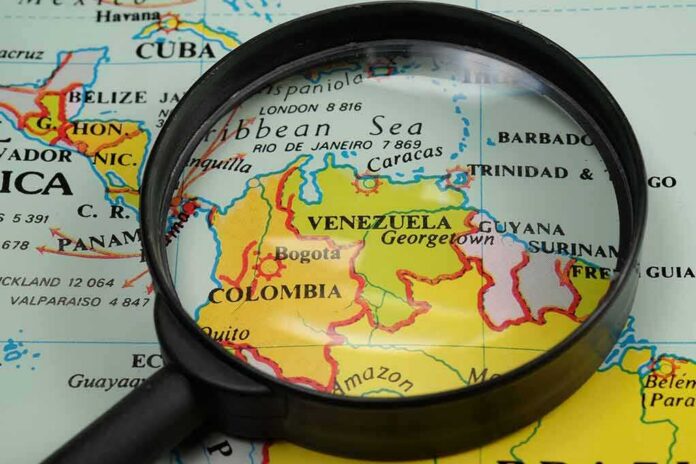
María Corina Machado stepped back onto Venezuelan soil after months in exile, thrusting Washington into a fresh test over democracy, pressure, and principle.
Story Snapshot
- Machado returned to Venezuela after multiple blocked attempts reported by major outlets.
- A U.S. official affirmed her right to return and denied any American role in blocking her.
- Opposition data claim their candidate won the 2024 election by a wide margin, challenging the official tally.
- The Carter Center said the 2024 vote failed to meet international standards, heightening scrutiny.
What Happened: Machado’s Return After Months of Denials
CNN reported that opposition leader María Corina Machado returned to Venezuela after authorities had blocked her several times this year, including three times within one day in late September, according to her team. The Philadelphia Inquirer detailed an attempted route through Curaçao that failed when landing permits did not come through, while Venezuelan officials publicly denied blocking her entry. These episodes framed a tense homecoming that reopens hard questions about political rights and state power.
Secretary of State Marco Rubio said on September 1 that Machado had every right to enter her country and called for her safety to be protected, while later rejecting claims that the United States asked any government to keep her out. His public stance sets a clear line for Washington: support her legal right and distance the United States from alleged pressure abroad. That message tries to balance democratic advocacy with caution about escalation.
Why It Matters in Washington: Democracy, Leverage, and Credibility
The Congressional Research Service reported that the opposition’s precinct-level tallies showed Edmundo González Urrutia with about 67% of the 2024 vote, versus about 30% for Nicolás Maduro, a sharp split from the official result that named Maduro the winner. This gap puts pressure on the White House. If the opposition’s count is right, then continued repression undercuts regional stability and migration goals. If Washington hesitates, it risks looking weak on core democratic principles.
The Carter Center concluded the 2024 Venezuelan presidential vote did not meet international standards and could not be considered democratic, noting the lack of polling-station results needed for independent checks. That finding reinforces bipartisan American concerns about closed systems where officials control the evidence that decides power. For U.S. policy, this strengthens the case for targeted sanctions, human rights tracking, and clear conditions for any future sanctions relief tied to verifiable steps.
The Dispute Over Access: Claims, Denials, and Missing Records
Reports described airlines, permits, and borders as chokepoints during Machado’s failed attempts, but did not identify a public Venezuelan order that formally barred her, leaving attribution hard to prove in each incident. Rubio’s denial of U.S. involvement also narrowed the field of likely actors behind the blockages while avoiding a direct clash with Caribbean partners. The return itself shows those barriers can shift, but it does not clarify who pulled which levers along the way.
This fog benefits those who hold the paperwork and the airspace. Without transparent aviation and immigration records, the public sees a contest of statements, not a clean audit trail. That pattern erodes trust across the board. It resonates with many Americans who believe elites bend rules behind closed doors while citizens face the fallout in lost jobs, rising costs, and broken promises. Clear records, not press lines, are the only path to durable legitimacy.
What Comes Next: U.S. Options and Risks
Officials can press for the release of full precinct-level results and allow independent audits to verify the true winner, aligning with Carter Center standards. They can link any sanctions relief to measurable steps: publish station tallies, free political prisoners, and guarantee safe political activity. They can also expand support for Venezuelan civil society, diaspora voting logistics, and regional coordination to prevent quiet pressure on airlines and airports that limits free movement.
Washington must also plan for blowback. Hard-liners may brand Machado’s return as a threat to order and use safety claims to justify new limits. The United States has already drawn a bright line by backing her right to enter and denying covert pressure abroad. Keeping that line steady will require consistent public messaging and a focus on verifiable facts. That approach best serves both American credibility and the Venezuelan people seeking a real choice.
Sources:
youtube.com, inquirer.com, efe.com, elcolombiano.com, kansas.com
© standardnewsdaily.com 2026. All rights reserved.