American adventurers placing their trust—and lives—in the hands of Mount Everest guides discovered they were being deliberately poisoned as part of a $20 million fraud scheme that turned dream treks into life-threatening nightmares.
Story Snapshot
- Nepalese authorities charged 32 individuals with poisoning trekkers using baking soda to fake altitude sickness and trigger fraudulent helicopter evacuations
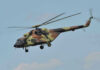
- Three rescue agencies defrauded international insurers of nearly $20 million through 317 fake rescue claims over multiple years
- Guides targeted exhausted trekkers on days 8-9 of Everest base camp journeys, deliberately sickening clients to manufacture medical emergencies
- Government knew about the scam since 2018 but failed to act until 2026, allowing Americans and other tourists to remain at risk
- Twenty-three suspects remain fugitives while insurers have pulled coverage from Nepal, devastating the tourism industry
Betrayal at the Roof of the World
Thirty-two individuals face organized crime charges in Kathmandu District Court for orchestrating a massive fraud operation that weaponized baking soda against unsuspecting trekkers. The scheme involved trekking agency owners, helicopter operators, hospital executives, and guides who worked in coordinated fashion to manufacture fake medical emergencies. Mountain Rescue Service P.Ltd. led the operation with 171 fraudulent claims totaling $10.3 million, while Nepal Charter Service P.Ltd. and Everest Experience and Assistance P.Ltd. contributed $8.2 million and $1.1 million respectively through fabricated flight records and false insurance submissions.
Government Failure Enabled Years of Exploitation
The fraud existed as an “open secret” within Nepal’s trekking industry for over a decade before authorities finally acted. International media coverage in 2018 prompted a Nepalese government investigation that confirmed guides were using baking soda in food to induce vomiting and diarrhea resembling altitude sickness. Despite these findings, the government buried the report and took no action, allowing the criminal network to continue exploiting tourists for eight more years. This represents a complete failure of regulatory oversight that put American citizens at serious health risk while padding the pockets of corrupt operators.
Systematic Exploitation of Trusting Adventurers
The criminals displayed sophisticated understanding of their victims’ vulnerabilities. Guides specifically targeted trekkers on days eight or nine of Everest base camp journeys when physical exhaustion peaks and judgment becomes impaired. After poisoning meals with baking soda to create gastrointestinal distress mimicking high-altitude illness, guides pressured disoriented clients into accepting immediate helicopter evacuations costing thousands of dollars. Hospitals then fabricated treatment records while helicopter operators forged flight documents to support fraudulent insurance claims. The elaborate coordination required guide manipulation, agency paperwork falsification, hospital complicity, and helicopter operator participation—all working seamlessly to drain international insurance companies.
Economic Devastation and Broken Trust
The scandal’s consequences extend far beyond the $20 million stolen from insurers. International insurance providers including Travellers Assists have completely withdrawn coverage for Nepal trekking expeditions, devastating the country’s $2 billion tourism sector that depends on Himalayan adventure seekers. Legitimate guides and tourism workers now suffer from destroyed credibility despite having no involvement in the fraud. Nine suspects currently face court proceedings while prosecutors seek 1.51 billion Nepalese rupees in fines, but twenty-three conspirators remain fugitives. This represents another example of weak government enforcement creating conditions where corruption thrives and honest citizens pay the price.
Kathmandu Post reporter Sangam Prasai, who covered Nepal tourism for fifteen years, confirmed the pattern was “unmistaken” and well-known among industry insiders unwilling to speak publicly before arrests occurred. The Central Investigation Bureau finally moved forward with charges in January 2026 after arresting six executives from the three primary rescue agencies. American adventurers who trusted these guides with their safety deserved protection from their own government and Nepal’s authorities—both failed spectacularly, prioritizing bureaucratic inaction over tourist welfare until the fraud became too massive to ignore.
Sources:
Poisoned Trekkers and Phantom Flights: Nepal Charges 32 in Massive Himalayan Rescue Scam – OCCRP
The Everest Scandal: Poisonings and Fraud on the Roof of the World – The Times