Federal agents didn’t just arrest Don Lemon—they ignited a high-stakes clash between press claims, protest tactics, and Americans’ right to worship without intimidation.
Story Snapshot
- Former CNN anchor Don Lemon was arrested in Los Angeles on Jan. 29–30, 2026, tied to a Jan. 18 anti-ICE protest disruption at Cities Church in St. Paul, Minnesota.
- The Justice Department says the church incident was a “coordinated attack,” while Lemon’s attorney calls the case an unprecedented First Amendment threat.
- A magistrate judge previously rejected charges against Lemon; prosecutors later pursued a grand jury as the case escalated.
- The legal fight centers on whether Lemon was reporting or participating, and whether federal civil-rights and FACE Act theories fit a house-of-worship disruption.
What Happened: From a Minnesota Church Disruption to an L.A. Arrest
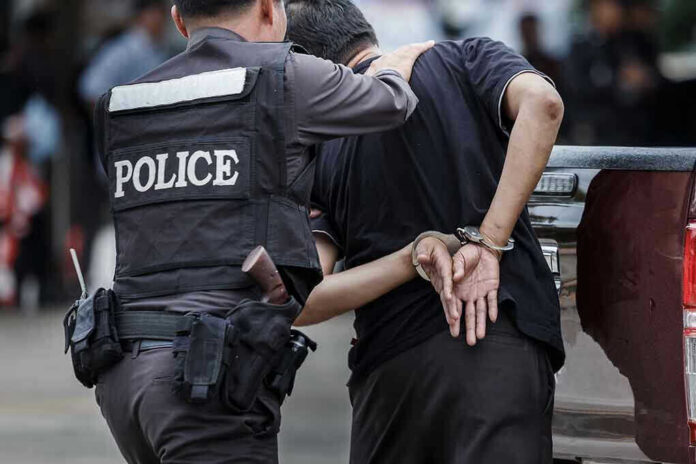
Federal authorities arrested Don Lemon in Los Angeles overnight Jan. 29 into Jan. 30 while he was in town covering Grammy-related events, according to multiple reports. The arrest ties back to Jan. 18, when anti-ICE activists entered Cities Church in St. Paul, Minnesota, and disrupted a service after learning a pastor also served as acting field director for the St. Paul ICE office. Lemon, now an independent journalist, was alleged to be involved in that disruption.
Attorney General Pam Bondi publicly said the arrests were made “at my direction” in connection with what she called a coordinated attack on the church. Lemon’s lawyer, Abbe Lowell, argued Lemon was engaged in protected newsgathering and described the prosecution as an unprecedented attack on the First Amendment. Another journalist, Georgia Fort, was also arrested, saying she was targeted for being a member of the press after filming the incident.
The Legal Fault Line: Press Freedom vs. Participation in a Disruption
The central question is not whether Lemon is famous, but whether he functioned as a reporter or as a participant in conduct prosecutors consider criminal. Reports say potential charges include conspiracy to interfere with congregants’ civil rights, and legal theories involving the Freedom of Access to Clinic Entrances (FACE) Act as applied to houses of worship. That framing puts religious liberty on one side and press freedom on the other, setting up a politically combustible test.
Courts already signaled the case’s complexity before the arrest. Reports say a magistrate judge rejected charges against Lemon in the early phase, and prosecutors sought arrest warrants that did not move forward at that level. An appellate court declined to compel warrants, though one judge reportedly indicated probable cause existed. After that setback, prosecutors pursued a grand jury. That sequence matters because it shows the case didn’t begin as an automatic “rubber stamp.”
Why This Case Hits a Conservative Nerve: Protecting Worship From Political Harassment
Conservatives have watched activists shift from protesting policies to pressuring individuals in their personal lives—at homes, restaurants, and now, in alleged disruptions of worship services. The Cities Church incident sits squarely in that national tension: immigration enforcement is a federal responsibility, but targeting a congregation’s service is a different category of conflict. If a church can’t hold a service without intimidation, the constitutional promise of free exercise becomes theoretical instead of real.
Bondi’s description of the event as a coordinated attack speaks to that concern, even as Lemon’s defense argues the government is crossing a First Amendment line by going after journalists. Both issues are serious for constitutional conservatives: press freedom protects truth-seeking, while religious liberty protects Americans who want to worship without political interference. The facts reported so far do not settle that conflict; they establish the competing claims that will be tested in court.
What We Know—and What Remains Unclear as the Case Moves Forward
Reports agree on the basic timeline: the Jan. 18 church disruption in St. Paul; legal sparring over warrants; a grand jury empaneled Jan. 29; and Lemon’s arrest in Los Angeles by federal agents including the FBI and Homeland Security Investigations. Beyond those fundamentals, key details are still unresolved in public reporting, including the precise charging language and the evidence prosecutors will use to argue Lemon crossed the line from observer to conspirator.
The Don Lemon arrest isn’t about Don Lemon. The facts point to something far more concerning. https://t.co/MpM6NTa2sl
— Colby Hall (@colbyhall) January 30, 2026
The political commentary around the arrest is already loud, but the strongest, verifiable takeaway is narrower: the federal government is treating a church-service disruption as a civil-rights case, and the defense is treating it as a press-freedom emergency. For conservatives wary of selective enforcement and government overreach, due process is the guardrail—full evidence, open court proceedings, and clear standards that protect both lawful reporting and Americans’ right to worship in peace.
Sources:
https://abcnews.go.com/US/don-lemon-arrested-connection-minnesota-protest-sources/story?id=129699476
https://www.cbsnews.com/news/don-lemon-in-custody-former-cnn-anchor-sources-say/
https://www.politico.com/news/2026/01/30/don-lemon-arrest-minnesota-protest-00756892