
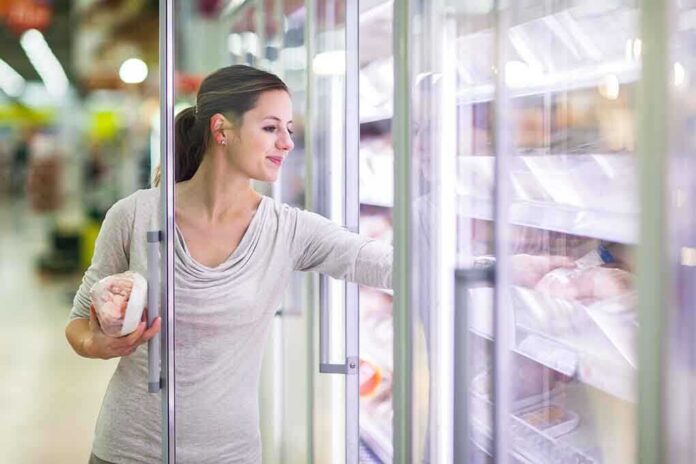
Frozen food isn’t just a shortcut for dinner—it’s quickly becoming America’s secret weapon for defending household budgets and slashing food waste, all while making meal prep less stressful than ever.
Story Snapshot
- Frozen food sales have surged as families seek relief from rising grocery prices and time pressures.
- Modern freezing preserves nutrition, making frozen options as healthy as fresh for most meals.
- Industry innovation is expanding choices, including plant-based and global cuisine in freezer aisles.
- Barriers like freezer space persist, but trends suggest frozen foods will become even more central to meal planning.
Frozen Food: America’s Most Underrated Budget Strategy
Families across the U.S. are stocking their freezers with everything from broccoli florets to salmon fillets, responding to economic pressures that have driven food prices up by double digits since 2022. This shift isn’t just about convenience; it’s about survival. With the average American household spending nearly $7,000 annually on groceries, frozen food offers a way to stretch each dollar further while reducing the stress of last-minute meal decisions. Savvy shoppers are leveraging frozen produce and proteins to minimize waste—no more tossing wilted spinach or spoiled chicken after forgetting it in the fridge.
Frozen food’s reputation has undergone a dramatic transformation in recent decades. Thanks to advances in quick-freeze technology dating back to Clarence Birdseye’s 1920s breakthroughs, manufacturers can now lock in nutrients and flavor at harvest. Today’s frozen veggies often rival, and sometimes surpass, their fresh counterparts in both nutrition and taste. Industry experts and health associations have debunked the myth that frozen food is inferior, highlighting that freezing halts spoilage and maintains food safety—an especially important factor during unpredictable times, such as the COVID-19 pandemic.
Consumer Trends: From Crisis Response to Everyday Solution
The COVID-19 pandemic marked a turning point, driving millions to stockpile frozen staples for food security. But the trend didn’t fade when lockdowns ended. Inflation and ongoing supply chain disruptions kept consumers reaching for frozen options, with 49% of Americans reporting an increase in frozen food purchases in 2024. Gen Z and millennials—groups traditionally associated with dining out—are now leading the charge, drawn by convenience, variety, and health claims. Online grocery channels, once a niche, now account for a rapidly growing share of frozen food sales as urbanization and dual-income households reshape shopping habits.
Retailers and manufacturers are responding with unprecedented innovation. Supermarkets offer everything from organic edamame to plant-based burger patties, catering to evolving dietary preferences. Pre-portioned packs and bulk options help consumers manage waste and control costs. The rise of specialty frozen products, such as globally inspired entrées and allergen-friendly desserts, further demonstrates the industry’s agility in meeting demand.
Impact: Savings, Sustainability, and Stress Reduction
The financial benefits of frozen food are clear. Bulk purchasing and long shelf life allow families to save money and avoid the “pantry purge” cycle that sends dollars straight to the trash. Economists point to frozen food as a stabilizer during inflationary periods, while food scientists emphasize its role in preserving nutrition. Industry data shows that Americans waste up to 40% of their fresh food annually; frozen options dramatically reduce this figure, supporting broader sustainability goals and lessening the environmental burden of food production.
Frozen food also delivers intangible benefits—peace of mind and flexibility. Working parents and busy professionals can assemble balanced meals in minutes, sidestepping the stress of elaborate planning or last-minute takeout. For many, the freezer has become a symbol of resilience: a buffer against economic shocks, unexpected guests, or simply the grind of daily life. Industry leaders such as Nomad Foods and the National Frozen & Refrigerated Foods Association tout these advantages, positioning frozen food as both a lifestyle upgrade and a practical necessity.
The Road Ahead: Barriers and Opportunities
Despite its momentum, frozen food faces challenges. Limited freezer space can constrain adoption, especially in smaller urban homes. Some consumers remain skeptical, clinging to outdated views about taste or quality. Energy costs associated with home refrigeration are also cited as a concern, though ongoing innovation in appliance efficiency may help address this issue. Looking forward, industry experts predict that continued advances in freezing technology, packaging, and product diversity will further boost the sector’s appeal.
Policy makers and advocacy groups increasingly recognize frozen food’s role in supporting food security and reducing waste. As sustainability rises on the national agenda, expect to see more initiatives promoting frozen options—not only for budget relief, but as part of a broader effort to build a resilient and environmentally conscious food system. For households feeling the squeeze, the freezer aisle is no longer a fallback; it’s a frontline strategy for thriving in a changing world.
Sources:
Grand View Research: US Frozen Food Market
NFRA: Americans Turn to Frozen and Dairy Aisles
FoodNavigator-USA: Frozen & Refrigerated Dairy Redefines Value