An alleged IED attack at the headquarters directing America’s war with Iran is now tied to suspects one of whom is sitting safely in China.
Quick Take
- Federal prosecutors unsealed indictments against siblings accused of placing an improvised explosive device near MacDill Air Force Base in Tampa, Florida, home to CENTCOM and USSOCOM.
- Investigators say the threat began with a Signal video claiming a bomb was placed outside the base’s visitor center, triggering a major security response.
- The IED did not detonate, but authorities said it could have been “potentially very deadly,” and the base threat level was raised to “Charlie.”
- The primary suspect, 20-year-old Alen Zheng, is reportedly in China, complicating arrest and any extradition effort.
- A second case detail includes a separate suspect accused of making threatening calls to the base days after the package was found.
Indictments Put MacDill—and the Iran War Command Chain—Under a Harsh Spotlight
Federal authorities say a brother and sister have been indicted over an improvised explosive device left near MacDill Air Force Base, a major U.S. installation that houses U.S. Central Command and U.S. Special Operations Command. With CENTCOM currently managing Operation Epic Fury against Iran, MacDill is not just another base—it is a hub where real-time decisions affect deployments, targeting, and force protection across the Middle East.
Investigators say the incident began March 16, when a suspicious package was found outside the base’s visitor center. The FBI received a video via Signal claiming a bomb had been placed, prompting an FBI bomb technician response and raising MacDill’s threat condition to “Charlie,” the second-highest level. Authorities later confirmed the device did not detonate, but said it could have been “potentially very deadly.”
Who Is Charged, Who Is in Custody, and Why China Matters
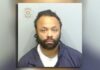
Court records and reporting identify 20-year-old Alen Zheng as the primary suspect, accused of making and possessing the IED and attempting to damage government property by fire or explosion. Authorities say he is currently in China. His sister, 27-year-old Ann Mary Zheng, was arrested and charged with accessory after the fact and evidence tampering, including allegations tied to hiding or damaging a 2010 Mercedes-Benz.
The location of the primary suspect matters because it turns a domestic criminal case into an international one. Extradition is not automatic, and public reporting on any formal request or diplomatic negotiations remains limited. That uncertainty leaves the public with a blunt reality: a plot targeting a top-tier U.S. military facility can reach the indictment stage while the alleged main defendant remains outside U.S. reach.
Security Fallout: A Wake-Up Call Without Clear Answers on Motive
Officials have not publicly laid out a detailed motive, nor have they disclosed the IED’s construction methods or any confirmed links to foreign direction. Authorities have said they are still “exploring leads,” which is important context as speculation spreads online. The known facts still point to a serious vulnerability: the device was placed at a high-value installation connected to ongoing operations, with immediate impacts on security posture and base activity.
How This Lands With Trump’s Base During a Hot War With Iran
This case is unfolding at a moment when many Trump supporters—already angry at years of inflation, overspending, and border chaos—are increasingly unwilling to accept open-ended foreign entanglements. With the U.S. now at war with Iran, internal divisions inside MAGA circles have sharpened over how far America should go and what U.S. obligations should be overseas. The MacDill case adds a new layer: homeland security risk tied to overseas conflict tempo.
FBI Announces Chinese Suspects Indicted for IED at CENTCOM Headquartershttps://t.co/FByMJq0Kq8
— PJ Media (@PJMedia_com) March 26, 2026
FBI Director Kash Patel publicly vowed the bureau will pursue those responsible “to the ends of the earth,” emphasizing that attacks on service members and military facilities will not be tolerated. From a constitutional, America-first perspective, the public interest is straightforward: protect U.S. installations, hold perpetrators accountable through due process, and demand transparent, fact-based explanations from federal agencies—especially when the alleged main suspect is beyond immediate jurisdiction and the nation is already absorbing the costs of war.
Sources:
https://www.jpost.com/international/article-891357