Italy’s moment of Olympic glory just hours old when coordinated sabotage crippled critical rail lines and violent protests turned Milan’s streets into a battleground, exposing deep fissures beneath the carefully choreographed spectacle of international sport.
Story Snapshot
- Railway sabotage targeting Bologna and Pesaro infrastructure caused massive delays for thousands of passengers hours after the Milan-Cortina 2026 Winter Olympics opening ceremony
- Violent clashes erupted between masked protesters and police in Milan, resulting in six arrests, deployment of water cannons and tear gas, with demonstrators hurling firecrackers and flares
- Italian authorities launched a terrorism investigation with no group claiming responsibility, as Prime Minister Meloni condemned participants as “enemies of Italy”
- Protests targeted environmental destruction, housing crises, and controversial U.S. ICE agent presence, while government enacted sweeping security measures allowing 12-hour preemptive detentions
Sabotage Strikes Italy’s Transportation Lifeline
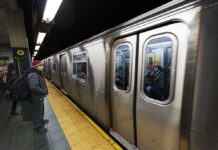
At approximately six in the morning on February 8, someone torched railway infrastructure at the Bologna hub, burning and severing cables that control north-south rail traffic. Simultaneously, saboteurs set fire to track switches near Pesaro along the Adriatic coast, damaging cables and disrupting the Bologna-Venice line. The timing proved devastating for thousands of passengers attempting to reach Olympic venues. Transport Minister Matteo Salvini immediately drew parallels to the arson attacks that targeted France’s rail network on the eve of the 2024 Paris Olympics, warning that Italy now faced similar “terror-style” threats to critical infrastructure.
Ferrovie dello Stato, Italy’s state railway operator, confirmed the damage was deliberate. The Bologna hub serves as the critical junction controlling traffic flow throughout northern Italy, making it an ideal target for maximum disruption. The Transport Ministry launched a terrorism investigation and announced plans to seek millions in compensation, though as of February 9, no individual or group had claimed responsibility for the attacks. The investigation proceeds in a vacuum of information, with authorities unable to determine whether the saboteurs acted with political motivations or simply sought chaos during Italy’s international spotlight.
From Peaceful March to Street Battle
That same evening, an estimated ten thousand protesters gathered in Milan for what began as peaceful demonstrations against the Winter Olympics. The march targeted legitimate grievances: environmental destruction from construction projects, including tree-felling for Cortina’s bobsled run; housing shortages exacerbated by Olympic infrastructure; and the controversial deployment of U.S. Immigration and Customs Enforcement agents for security. Families and students walked alongside activists, voicing concerns that echo across European cities whenever mega-events arrive promising economic benefits while delivering displacement and ecological harm.
The peaceful demonstration fractured near the Olympic Village, which houses fifteen hundred athletes. Masked protesters ignited smoke bombs, transforming the atmosphere from civic demonstration to confrontation. Near the Santagiulia ice hockey rink, violence escalated dramatically as demonstrators launched firecrackers and flares directly at police lines. Italian authorities responded with tear gas, water cannons, and batons, ultimately making six arrests. The clashes played out against the backdrop of U.S. Vice President JD Vance’s visit to Milan, though American agents deployed for the Games serve diplomatic protection functions rather than street-level immigration enforcement roles.
Government Hardline Meets Civil Liberties Concerns
Prime Minister Giorgia Meloni took to Facebook on February 8, branding the protesters “gangs of criminals” who undermine Olympic workers and volunteers while damaging Italy’s global reputation. Her condemnation reflects a government strategy framing any Olympics opposition as attacks on national pride rather than legitimate policy debate. The Meloni administration recently approved a security decree permitting police to detain potential agitators for twelve hours without charge, a preemptive power that opposition lawmakers criticize as suppressing free speech and peaceful assembly rights under the guise of public safety.
The International Olympic Committee walked a diplomatic tightrope through spokesperson Mark Adams, who distinguished between legitimate peaceful protest and violence that has “no place” at the Games. This position satisfies neither protesters convinced their environmental and social concerns deserve urgent attention, nor a government viewing dissent through a security lens. The absence of dialogue between authorities and demonstration organizers suggests these tensions will simmer throughout the Olympics, with each side entrenched in opposing narratives about patriotism, progress, and the true costs of international prestige.
Echoes of Paris and Questions About Future Security
Salvini’s comparison to the Paris Olympics arson attacks carries weight beyond mere rhetoric. France experienced coordinated strikes on rail infrastructure that disrupted travel for hundreds of thousands just as the world’s attention focused on athletic competition. The pattern suggests vulnerability in European transportation networks during major events, when saboteurs understand maximum disruption guarantees international headlines. Italy now confronts whether these incidents represent isolated opportunism or coordinated efforts by extremist elements opposed to mega-events on environmental or anti-capitalist grounds.
The rail sector’s exposure revealed through these attacks may influence security protocols for future Olympics and international gatherings. The economic impact extends beyond immediate delays affecting thousands of passengers. Tourism suffers when visitors question whether they can reliably reach venues. Volunteer morale deteriorates when workers face condemnation alongside violent protesters despite contributing countless hours to make the Games function. Italy’s hosting image takes damage regardless of investigation outcomes, as the mere fact of terrorism probes during an Olympics creates narratives of instability that persist long after closing ceremonies conclude and athletes depart.
Sources:
Italy investigates suspected sabotage of railway infrastructure during Winter Olympics