
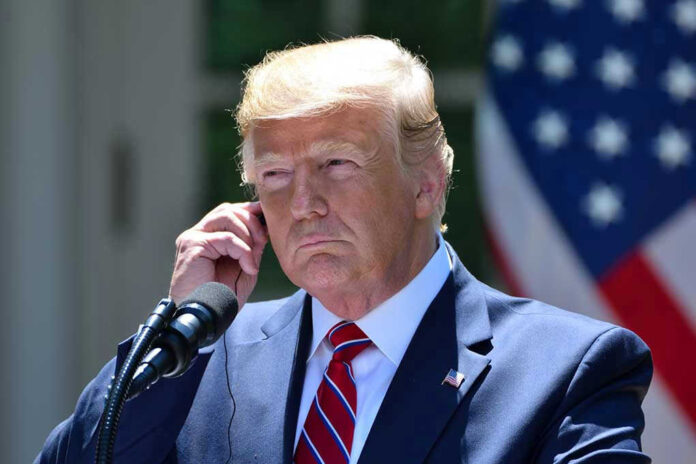
The rise of BlueAnon conspiracy theories represents a troubling trend for conservative values, as false narratives continue to target and undermine key political figures like Donald Trump.
Story Highlights
- BlueAnon theories, primarily anti-Trump in nature, mirror the structure of right-wing QAnon conspiracies.
- These theories surged following the attempted assassination of Trump in July 2024.
- Fact-checkers have debunked major BlueAnon claims, including a “false flag” assassination theory.
- Despite debunking, BlueAnon remains a rhetorical force in political discourse.
The Origin and Rise of BlueAnon
BlueAnon, a term coined by conservatives, refers to a collection of conspiracy theories that are anti-Trump and left-leaning. The label emerged as a counter to QAnon, highlighting perceived hypocrisy in conspiracy thinking from the left. The roots of BlueAnon trace back to the 2016 election and claims of Russian interference, gaining traction in 2021 as a label for left-wing conspiracy theories.
The term BlueAnon gained notoriety in 2024 after an attempted assassination of Trump at a rally. This event triggered a surge in conspiracy theories, including unfounded claims that the attack was a “false flag” operation staged by Trump himself. Despite the lack of evidence, these theories spread rapidly, amplified by social media and anti-Trump commentators.
Debunking and Persistence of BlueAnon
Fact-checkers and mainstream media have actively debunked prominent BlueAnon theories. Snopes and other organizations have labeled these claims as unfounded, working to dispel the misinformation surrounding Trump’s health and the assassination attempt. Despite these efforts, BlueAnon persists, showing the resilience of conspiracy thinking within polarized political environments.
The continued use of BlueAnon in political discourse serves as a rhetorical tool for conservatives to draw attention to left-wing conspiracism. The prevalence of these theories underscores the challenges of combating misinformation in an era of distrust in mainstream media.
Implications for Political Discourse
The rise of BlueAnon has significant implications for political discourse in the United States. In the short term, these conspiracy theories contribute to increased polarization and detract from substantive policy debates. In the long term, the normalization of conspiracy thinking could erode trust in institutions and media, undermining democratic norms and processes.
As BlueAnon continues to be used as a rhetorical device, it highlights the ongoing culture war and the need for vigilance in protecting conservative values. The spread of such narratives poses challenges to maintaining rational discourse and demands a commitment to truth and accountability in public dialogue.
Sources:
New Statesman: Donald Trump, conspiracy theories and the rise of BlueAnon
The National Desk: BlueAnon theories popping up as some on left attempt to explain Trump’s win
HarperCollins: The Rise of BlueAnon