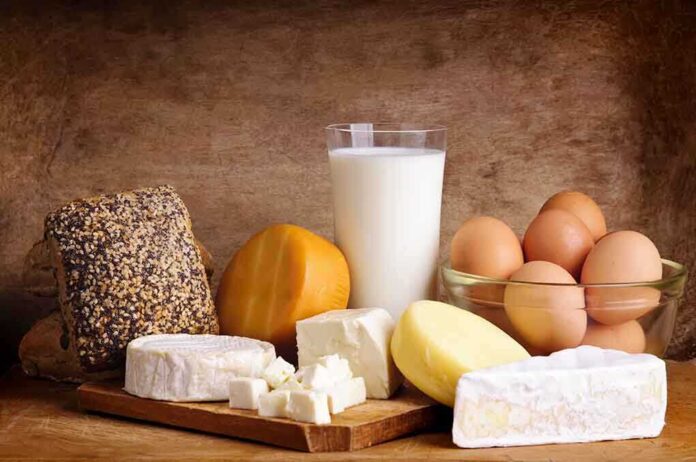
Could the key to a healthier heart lie in your fridge, hidden in plain sight?
Story Snapshot
- Dairy foods may reduce the risk of stroke and cardiovascular disease, challenging traditional dietary guidelines.
- Research shows both low- and regular-fat dairy products can have neutral or favorable effects on heart health.
- Recent studies emphasize the complexity of dairy’s effects and the importance of product type and dietary context.
- Large multinational studies provide a comprehensive view of dairy’s cardiovascular effects across diverse populations.
The Cardiovascular Benefits of Dairy Foods
Emerging research has begun to paint a new picture of dairy foods, suggesting their benefits extend beyond the well-touted bone health to include cardiovascular advantages. While traditional wisdom has long emphasized low-fat options for heart health, recent findings challenge this notion, indicating that both low- and regular-fat dairy products may have either neutral or even positive impacts on cardiovascular outcomes. This shift in understanding prompts a reevaluation of dairy’s role in heart-healthy diets.
Historically, public health guidelines recommended low-fat dairy to minimize saturated fat intake, believed to increase cardiovascular disease (CVD) risk. However, as early as the 2000s, observational studies and meta-analyses began suggesting a link between dairy intake and reduced stroke risk, independent of fat content. By the 2010s, systematic reviews consolidated this evidence, showing that dairy consumption correlates with a lower risk of stroke and, in some cases, overall CVD.
The Evolution of Dairy Research
From 2017 to 2020, large multinational studies, including the PURE study, reported that total dairy intake, regardless of fat content, is either neutral or beneficial for CVD risk, including stroke and coronary artery disease. This research highlights the need for a nuanced understanding of dairy’s effects, recognizing the potential for different impacts based on product type, population, and dietary context. Such findings underscore the importance of personalized dietary advice.
The debate over dairy’s cardiovascular effects occurs amid rising global rates of CVD and growing interest in personalized nutrition. The dairy industry, public health agencies, and researchers all play significant roles in shaping dietary recommendations. As the evidence continues to evolve, it becomes increasingly important to balance scientific findings with practical dietary advice for the general public.
Implications for Public Health and Industry
In the short term, conflicting messages may lead to consumer confusion. However, if evidence continues to support the neutral or beneficial effects of dairy on heart health, dietary guidelines may be revised, potentially increasing dairy consumption and affecting agricultural markets. Conversely, if risks are confirmed for certain products or populations, targeted restrictions could emerge. This evolving understanding of dairy’s cardiovascular effects could have broad implications for public health, industry, and individual dietary choices.
The scientific community acknowledges the complexity of dairy’s effects, emphasizing that benefits may depend on the type of product, individual health status, and overall dietary pattern. As research continues to unfold, it will be crucial to refine dietary recommendations to reflect the most current evidence, ensuring that consumers receive clear and accurate guidance on dairy consumption.
Sources:
European Journal of Preventive Cardiology