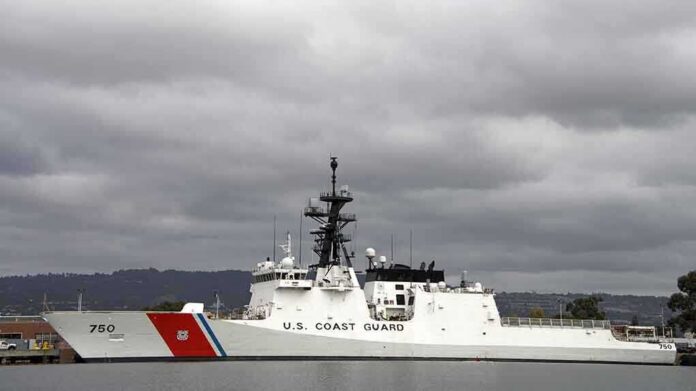
Washington is moving warships and aircraft to aid quake-hit Venezuela, but mixed signals about troops and politics fuel old fears of mission creep.
Story Snapshot
- U.S. Southern Command says forces are mobilizing airlift, logistics, and lifesaving support for Venezuela’s quake response [2][3].
- President Trump ordered a rapid federal response, while a disaster team and urban search and rescue crews mobilize [1][4][8].
- Officials have not confirmed U.S. troops on Venezuelan soil, and aid dollar figures remain unclear [1][5].
- Media and regional voices warn of “invasion” optics given the recent U.S.-Venezuela clashes and power politics [7][15][21].
What Washington Says It Is Sending
U.S. Southern Command said joint forces are moving to provide airlift, logistics, and lifesaving capabilities for Venezuela’s earthquake relief. The command cited direction from the Department of Defense and coordination with the Department of State [2][3][10]. President Donald Trump posted that the United States “stands ready” and told agencies to act fast [4]. A State Department disaster team is deploying to help deliver and coordinate medical and humanitarian support, according to officials cited in early updates [1].
Local and federal partners are also mobilizing search and rescue. Reports say Fairfax County, Virginia, and Los Angeles teams are preparing for collapsed structures with canines and specialized tools [5][8]. These teams often move first because they can work in rugged, unsafe sites before heavy aid arrives. U.S. officials also referenced coordination with regional partners who pledged support, aiming to speed flights, staging, and supplies into damaged areas [2][3].
Key Limits, Unknowns, and On-the-Ground Hurdles
Task and Purpose reported the military statement did not confirm whether U.S. troops will enter Venezuela. That leaves open where personnel will stage, how far they will go ashore, and when [1]. Officials have not shared a firm aid total. The Secretary of State signaled it was too early to set a number. That means people should expect changing figures as damage counts rise and airports or seaports reopen [1][5].
Airfield damage could slow flights and push more cargo through military lift or offshore hubs. Past briefings after regional quakes noted runway issues around Caracas. That kind of damage forces creative routing and may require military-grade landing options until repairs are done [5]. Without a clear schedule for ships and planes, the public sees the “what” but not the “when,” which can feed doubt. Officials say more details will come as assessments finish [1].
Why Optics Matter After Years of Tension
News outlets and social feeds are already framing the deployment as stirring “invasion” fears. Venezuelan media has showcased military displays, which can harden public suspicion of U.S. intent [7][9]. Analysts point to a long record of United States actions in the region, from Cold War coups to recent operations against Nicolás Maduro, as context for today’s skepticism [21]. Many people on both the left and right now assume powerful elites use crises to push agendas, so trust is thin.
This is why precise facts matter. Southern Command says the mission is humanitarian logistics and lifesaving support [2][3]. The White House says agencies must move fast to help civilians [4]. But the same statements avoid clear answers on troop presence, rules for entry, and total aid levels [1][5]. That gap leaves room for both sides’ worst stories. The United States can reduce doubt by publishing deployment timelines, cargo lists, and agreements that define where U.S. personnel can go and who approves it.
How to Judge Results in the Days Ahead
Watch for three things. First, transparency: release of flight schedules, ship arrivals, and cargo manifests will show seriousness and reduce rumors [1]. Second, consent: confirmation of written terms with Venezuelan authorities, including airfield access and customs, will clarify sovereignty questions [1]. Third, outcomes: independent reports from aid groups on rescue pulls, hospital support, food, and water delivery will measure impact beyond press releases. Clear data calms fears; silence feeds them.
Sources:
[1] Web – US says it is sending military ships and planes to provide logistical …
[2] Web – US military helping plan Venezuela earthquake relief – Task & …
[3] Web – STATEMENT ON U.S. MILITARY SUPPORT TO VENEZUELA …
[4] Web – U.S. Southern Command (SOUTHCOM) – Facebook
[5] Web – Trump pledges rapid U.S. aid for Venezuela after deadly earthquakes
[7] YouTube – Spain Decides to Deploy Military Relief Teams After Earthquake In …
[8] Web – The U.S. is sending aid after back-to-back earthquakes … – Facebook
[9] Web – Live updates: Venezuela earthquakes kill at least 188 – NBC News
[10] Web – US military helping plan Venezuela earthquake relief – Facebook
[15] Web – Why the US Response to Venezuela’s Earthquake Is a Massive L — …
[21] Web – Comparative Analysis of U.S., Russian, and Chinese Military …
© standardnewsdaily.com 2026. All rights reserved.