After thousands of troops moved into the Rio Grande Valley, U.S. officials showcased a notably quieter river while reporting more seizures and targeted apprehensions.
Story Snapshot
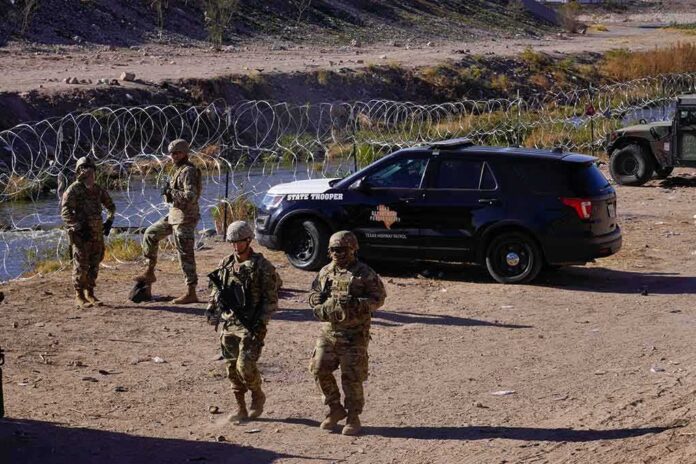
- Army presence grew to about 8,000 along the border, with added Coast Guard and Texas forces.
- Border officials cite more drug seizures, more arrests, and lighter traffic in some zones.
- Crossings had already fallen after 2024 asylum limits and later suspensions, complicating credit.
- Coast Guard exchanged gunfire on September 26, spurring added troop movements to the valley.
What Changed Along the River
Military.com reported that soldiers set up in Roma, Texas, as part of a larger push that placed about 8,000 Army personnel along the border. The Coast Guard added more than 300 people to patrols in the valley, while Texas law enforcement increased operations in the region. Officials described parts of the Rio Grande as calmer during media visits. They tied the show-of-force to higher cartel activity and a need to secure key crossing points.
Border Patrol leaders pointed to on-the-ground signs that enforcement was biting. Joel Garcia, the acting deputy chief patrol agent for the Rio Grande Valley, said the agency saw results in drug seizures, arrests, and reduced movement in certain hot spots. That is consistent with a clampdown message from federal and state partners. But the statements did not include the hard counts, time frames, or methods that would allow outside analysts to verify the trend.
Why Credit Is Hard to Assign
Several outlets and analysts stressed that crossings had dropped before the latest troop surge. Reporters noted a sharp fall after severe asylum limits in 2024 and another dip after later asylum suspension measures. Independent experts said Mexico’s tougher enforcement and U.S. policy shifts worked together to lower crossings. That mix makes it tough to isolate the Army’s role apart from policy and Mexican actions that started earlier and ran in parallel.
Pew Research Center reported encounters at multi-decade lows in early 2026 and tied the change to both countries’ policies. The Congressional Research Service reached a similar view, saying the June 2024 asylum limits combined with Mexico’s enforcement to drive the decline. Reuters detailed Mexico’s busing, detentions, and administrative hurdles that kept many migrants far from the U.S. line. These factors all predate or accompany the troop buildup.
Ground Reality: Calmer Scenes, Ongoing Activity
Customs and Border Protection reported that agents in the Rio Grande Valley still apprehended five large groups totaling 648 people across five days in Hidalgo and Starr Counties. One station, Rio Grande City, accounted for 520 of those arrests. That tally shows that, even with added troops and a quieter look in some areas, traffic continued in bursts. It also underscores how activity can shift across time and place within the sector.
Security risks also flared. The U.S. Coast Guard said personnel took fire from the Mexican side of the river on September 26 and returned fire. Military reporting linked that incident to the decision to surge more troops into the valley. NewsNation estimated about 500 service members were being moved, though officials did not publicly confirm exact numbers or the mission’s duration, leaving questions about scale and timing for evaluators.
How to Judge Results Without the Spin
Clear answers need clear data. A sector-level study could compare daily encounters, seizures, rescues, and patrol hours before and after each deployment. It could match the Rio Grande Valley with similar border sectors that did not add troops, and account for asylum rules, Mexican deployments, weather, and seasons. Until that work is public, the best read is this: the river looked calmer in spots, but broader declines likely stem from policy and bilateral enforcement that began earlier.
Sources:
military.com, cbp.gov, wola.org
© standardnewsdaily.com 2026. All rights reserved.