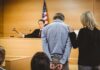
The intersection of justice and mental health is under scrutiny as a tragic triple homicide near Disney World exposes potential vulnerabilities in the legal system.
Story Snapshot
- A Florida man, Ahmad Jihad Bojeh, accused of killing three tourists, had previous charges dismissed through an insanity plea.
- Florida Attorney General James Uthmeier criticizes State Attorney Monique Worrell for prosecutorial leniency.
- The case reignites debates on the insanity defense and its implications for public safety.
- The tragedy highlights concerns about tourist safety in high-traffic areas like Disney World.
Unraveling the Tragedy Near Disney
The serenity of a rental property near Disney World shattered on January 17, 2026, when Ahmad Jihad Bojeh allegedly murdered three tourists in a chilling, unprovoked attack. The victims, stranded and unsuspecting, became targets in what authorities describe as a “cold-blooded” shooting. This tragic event has not only left families grieving but has also sparked a heated debate on the effectiveness of the insanity defense in the justice system.
Bojeh, who was swiftly arrested and charged with first-degree murder, had a history that included a notable 2022 acquittal for attempted first-degree murder. This acquittal, granted on the grounds of insanity, has become a focal point for Florida Attorney General James Uthmeier. He argues that the leniency shown by State Attorney Monique Worrell’s office in not contesting the insanity plea was a grave misjudgment that set the stage for the recent murders.
Legal Loopholes and Public Safety
The case against Bojeh raises crucial questions about the use of insanity defenses in criminal proceedings. Critics, led by Uthmeier, argue that such defenses can serve as loopholes, allowing potentially dangerous individuals to evade long-term consequences. Bojeh’s previous charges, including attempted first-degree murder and aggravated battery, were dismissed after a court concluded he no longer posed a substantial threat, a decision now under intense scrutiny.
The political ramifications of this case are significant. Uthmeier, using Bojeh’s case as a catalyst, is advocating for reform in how insanity defenses are handled, aiming to close these perceived gaps. He contends that public safety is compromised when violent offenders are released based on mental health defenses without sufficient oversight and follow-up.
The Political and Judicial Clash
At the heart of this controversy is a clash between Uthmeier and Worrell. Uthmeier’s public criticism of Worrell, whom he accuses of prosecutorial leniency, highlights a broader tension within Florida’s legal and political landscape. Worrell, who has faced suspension in the past for her prosecutorial decisions, defends her record by pointing to systemic issues within the mental health system rather than prosecutorial negligence.
Worrell argues that the courts, not prosecutors, ultimately decide cases based on the evidence presented. She maintains that the Bojeh case was “fully litigated” and places the blame on gaps within the mental health system that failed to provide continued oversight of individuals acquitted on insanity grounds.
Implications for the Future
The implications of this case extend beyond the courtroom. The proximity of the incident to Disney World has raised concerns about tourist safety in one of Florida’s most visited areas. This incident could potentially impact the state’s tourism reputation, as safety becomes a predominant concern for visitors.
In the broader context, this case may spur legislative changes. Uthmeier’s push for reforms aims to ensure that individuals acquitted on insanity pleas are subject to more rigorous follow-up and potentially mandatory treatment or incarceration. Such measures could reshape the balance between protecting public safety and upholding the rights of individuals with mental health issues.