
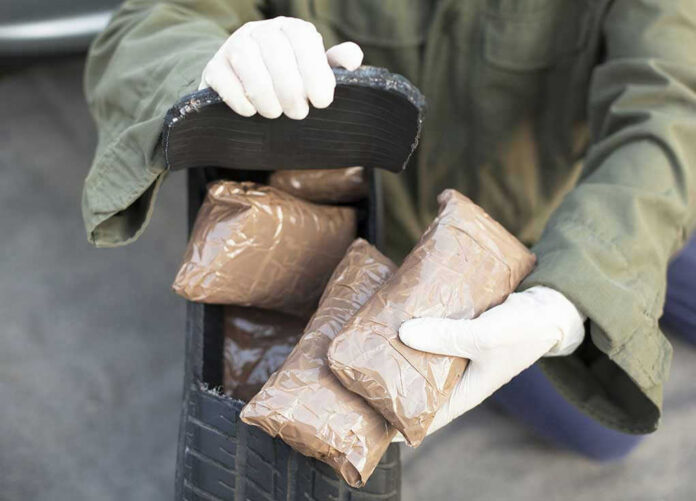
A trusted traveler U.S. citizen got caught smuggling over 60 pounds of cocaine worth $1.1 million across the border, exposing dangerous flaws in America’s fast-track security programs.
Story Highlights
- CBP arrested a 25-year-old U.S. citizen in the SENTRI trusted traveler program at San Ysidro Port of Entry on April 7, 2026, seizing 60.14 pounds of cocaine hidden in his vehicle doors.
- The drugs, valued at over $1.1 million, were detected using non-intrusive imaging and canine teams during a secondary inspection.
- This bust highlights vulnerabilities in expedited border programs amid a 27% rise in cocaine seizures compared to March 2024.
- The suspect faces federal charges; vehicle and cellphones seized, reinforcing CBP’s role in protecting communities from drug influx.
The Arrest at San Ysidro Port
U.S. Customs and Border Protection officers at San Ysidro Port of Entry in California arrested a 25-year-old U.S. citizen on April 7, 2026. The man, enrolled in the SENTRI trusted traveler program, drove a 2020 Honda Civic through the expedited lane. During secondary inspection, non-intrusive imaging revealed anomalies in the vehicle doors. A canine team confirmed the presence of 60.14 pounds of cocaine, valued at more than $1.1 million on the street. CBP seized the drugs, vehicle, and two cellphones. The suspect now faces federal charges for narcotics importation and smuggling. This incident occurred at the busiest U.S.-Mexico land crossing, processing millions of travelers annually.
CBP Says It Seized More Than 60 Pounds Of Cocaine From US Citizen At Border https://t.co/BxbAQD2xfK
— zerohedge (@zerohedge) April 16, 2026
Vulnerabilities in Trusted Traveler Programs
The SENTRI program, launched in 1995, grants expedited border access to pre-vetted low-risk individuals, including U.S. citizens. This case underscores potential weaknesses, as a trusted traveler attempted to smuggle a massive cocaine load. CBP’s decision to pull the vehicle for secondary inspection proved critical, overriding the program’s fast-track status. Broader trends show intensified smuggling efforts, with CBP cocaine seizures 27% higher than in March 2024. Such breaches erode confidence in systems designed to balance efficiency with security. Americans on both sides of the aisle demand robust vetting to prevent drugs from reaching streets and fueling the opioid crisis.
Frustrations grow as border communities face ongoing threats from cartels exploiting any lapse. Conservatives highlight this as evidence for stricter enforcement under President Trump’s America First policies, while even some liberals recognize government failures in protecting citizens from elite-driven oversights in security protocols.
CBP’s Enforcement Success and Broader Impacts
CBP officers demonstrated vigilance by using advanced technology and K-9 units to detect the precisely concealed drugs. The agency exclusively shared details with The Epoch Times during the week of April 7-13, 2026, with stories published on April 17. Short-term, this seizure removes a significant drug quantity from U.S. circulation, disrupting cartel operations economically. Long-term, it may prompt reviews of SENTRI eligibility to tighten vetting against insider threats. San Diego communities benefit from reduced local drug risks, bolstering trust in federal border efforts amid political debates on funding and program reforms.
CBP Says It Seized More Than 60 Pounds of Cocaine From US Citizen at Border https://t.co/i7oUxam9oT via @CA_Insider
— KaliConservativ63 (@KConservativ63) April 17, 2026
Political ramifications fuel discussions on border security, especially with Republicans controlling Congress in 2026. Heightened scrutiny could slow expedited lanes, affecting cross-border trade and travel. This win for CBP reinforces the need for technology over blind trust, addressing shared public anger at government elites who prioritize convenience over safety and traditional principles of protecting the homeland.
Sources:
CBP Says It Seized More Than 60 Pounds Of Cocaine From US Citizen At Border