Thirty years after Tupac Shakur was gunned down, a Nevada judge let jurors hear the suspect’s own words about that night — a rare turn that could decide the case.
Story Snapshot
- A Nevada judge ruled a 2008 police interview with Duane “Keffe D” Davis is admissible.
- Prosecutors plan to center the case on Davis’s past statements and memoir accounts.
- Davis pleads not guilty and now says his past claims were for entertainment and money.
- Opening statements launched a trial many thought would never come.
What restarted a cold case: the suspect’s recorded words
Clark County prosecutors revived the 1996 Las Vegas shooting case by leaning on Duane “Keffe D” Davis’s own statements. A Nevada judge ruled that a 2008 police interview with Davis can be used at trial. National Public Radio reported the ruling on July 29, 2026, and said the interview includes Davis describing seeing Tupac Shakur that night and saying Orlando Anderson “popped them”. That admissibility decision turned old talk into present-day evidence.
Prosecutors also view Davis’s 2019 memoir as a major proof point. They argue his book describes his role as a “shot-caller” and eyewitness to key moments tied to the shooting. Coverage says the book will be central to their case, and a separate court ruling cleared it for use at trial. Together, the interview and the memoir give the state a narrative that does not depend on new physical evidence from the scene.
How the trial is unfolding in Las Vegas
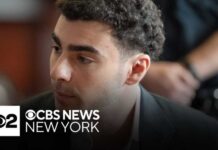
Opening statements began in Las Vegas after a jury was seated, setting up a test of whether Davis’s past accounts hold up under cross-examination. Prosecutors previewed a case built to make Davis’s own words credible and connected to the crime. Davis has pleaded not guilty to first-degree murder with a deadly weapon and a gang enhancement, which raises the stakes for any admissions the jury believes. The courtroom battle now centers on what he said, when he said it, and why.
Defense lawyers say the state is stretching statements made years after the shooting. They argue the grand jury heard too much hearsay, and they claim Davis’s past remarks were showmanship, not truth. Davis has told reporters he did not do it and says he was not in Nevada that night. He also says the memoir was ghostwritten and inflated to sell books. Those denials are now part of the record the jury must weigh against recordings and pages.
Why this approach is risky — and powerful
Nevada law says a conviction cannot rest on an accomplice’s testimony unless there is other evidence that links the defendant to the crime. That rule pushes prosecutors to show that Davis’s words are not standing alone. Legal analysis often calls confession evidence very persuasive for juries. When jurors hear an apparent admission from the defendant, it can outweigh gaps in physical proof if the court finds it voluntary and reliable. This case turns on that edge.
Thirty years after Tupac Shakur was killed in Las Vegas, opening arguments are expected in the murder trial of Duane “Keffe D” Davis.https://t.co/OgjMqqPVzf
— BizNest Daily (@biznestdaily) August 18, 2026
The broader strain many Americans feel about the justice system is also in view. A high-profile murder sat unsolved for decades while officials cycled through leads and public tips. Now a late-stage trial depends on old interviews and a memoir. For readers on the left and the right who doubt elite systems, that mix can look like a system fixing a story after the fact. The court’s guardrails, and the jury’s judgment, are the check on that fear.
What to watch next: corroboration and credibility
Jurors will look for anchors that back up, or undercut, Davis’s statements. Prosecutors say they will call witnesses and use records to connect his words to the events of that night. The defense will attack motive and memory, and press the point that entertainment talk is not evidence beyond a reasonable doubt. The judge’s rulings on limits, context, and jury instructions about statements and accomplice rules will likely shape the verdict.
Sources:
youtube.com, usnews.com, abcnews.com, npr.org, cnn.com, wbaltv.com, cpoc.org, law.cornell.edu
© standardnewsdaily.com 2026. All rights reserved.