A sweeping federal border crackdown has charged 478 people in Texas and Arizona in just one week, and officials say most of them already have serious criminal records.
Story Snapshot
- 478 people were charged with border and immigration crimes in Texas and Arizona over July 10–16, including hundreds of illegal immigrants.
- Felony illegal reentry after prior deportation makes up the largest share of the cases, with at least 202 such charges in the two states.
- Justice Department officials say most of those charged have prior felonies for violent crimes, drugs, immigration offenses, and even child exploitation.
- The sweep is part of Operation Take Back America, a Trump-era effort launched in 2025 to crush cartels and repeat border offenders.
Trump-Era Border Sweep Hits Repeat Offenders Hard
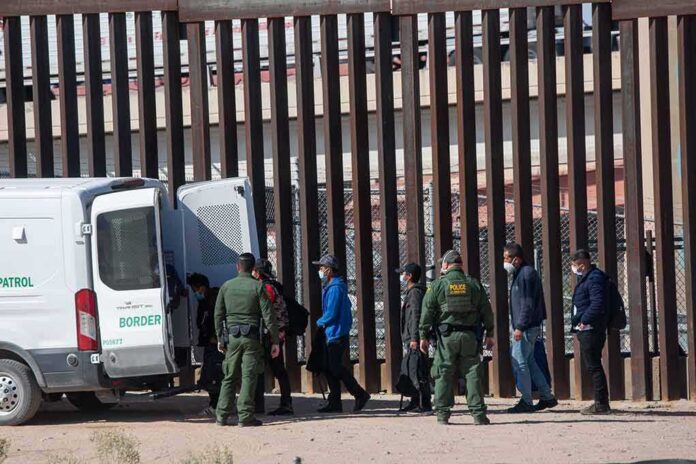
Federal prosecutors in Texas and Arizona charged a total of 478 people with border-related crimes over a single week, July 10–16, in one of the largest coordinated crackdowns yet along the southern border. In Texas alone, the Department of Justice reports 199 defendants, including 175 illegal immigrants, while Arizona accounted for another 279 cases. These actions fall under Operation Take Back America, created by a March 2025 memo from then–Deputy Attorney General Todd Blanche to push back against years of weak border enforcement.
The core of this enforcement surge targets people who were already deported and chose to break U.S. law again by coming back. In the Southern District of Texas, prosecutors filed 146 criminal complaints for felony reentry after prior removal in that week alone. In the District of Arizona, there were 56 felony reentry cases on top of other immigration charges. Officials say that most of these defendants were removed before because of serious crimes, then turned around and crossed the border again, ignoring court orders and U.S. sovereignty.
Human Smuggling, Drugs, and Guns Add to the Threat
Beyond reentry, the sweep also hit human smuggling networks and other border crime that directly threatens American families. In Texas, 28 people face human smuggling charges, including 12 illegal immigrants accused of moving people across the border. Arizona added 17 more smuggling cases. Justice Department officials say there are also charges tied to firearms and narcotics trafficking, including a U.S. citizen who allegedly tried to bring about 131 pounds of cocaine into the country at a port of entry. These cases show how illegal border crossings often tie straight into drug pipelines and weapon offenses.
Public data from earlier phases of Operation Take Back America and related efforts in the Southern District of Texas shows a consistent pattern: most border defendants have prior felony records for drugs, violence, sexual offenses, or immigration crimes. In one earlier reporting period, U.S. Attorney Nicholas Ganjei described 2,409 individuals charged in about seven weeks, with 1,245 facing felony reentry and 966 illegal entry charges, again stressing that most had serious prior convictions. The current 478-case sweep fits that same trend, suggesting that these prosecutions are aimed at repeat, often dangerous offenders rather than first-time border crossers.
Operation Take Back America in a Long Border Battle
Operation Take Back America is the Trump administration’s answer to decades of failed border policies that let criminal migrants cycle in and out of the country. The program’s stated goal is to help “achieve total elimination of cartels,” using aggressive prosecution of illegal entry, illegal reentry, smuggling, and related crimes along key border districts. Earlier Justice Department summaries show that U.S. Attorneys in border states have been filing hundreds of immigration cases week after week, with illegal entry and reentry now making up a large share of all federal prosecutions nationwide. Supporters argue this strategy finally puts teeth behind border security after years of open-border pressure from the left.
At the same time, this surge follows a broader national pattern that began long before President Trump returned to office. Past administrations pushed “assembly line” prosecutions for immigration crimes, especially in districts like Southern Texas and Arizona, where illegal entry and reentry cases dominated dockets. Critics on the left now complain that these prosecutions are too harsh, but many of the same groups were silent when earlier presidents used similar tools without focusing as clearly on violent repeat offenders. Under Trump, the difference is the focus on prior felonies and cartel-linked activity, pairing border enforcement with a stronger law-and-order message.
Media Skepticism and Calls for More Transparency
While the Justice Department’s numbers show a clear push against repeat criminal border crossers, activist groups and some media outlets highlight individual cases to claim the system is unfair. In one widely covered incident, a Mexican man was killed during an encounter with immigration officers in Texas, and questions remain because the officers were not wearing body cameras. In another, a Texas woman sold her home to pay legal costs for her husband, a Venezuelan asylum seeker with no criminal record who was detained after a green card appointment during a disputed policy pause. These stories are used to paint enforcement as abusive, even when they do not directly challenge the core facts of the 478 criminal cases.
478 individuals charged in major border enforcement push across Texas and Arizona.
Over one week, Texas authorities hit 199 people—including 175 illegal immigrants—with charges in 194 cases, many involving prior violent felonies, smuggling, and firearms. Arizona added 279 more,…
— The Epoch Times (@EpochTimes) July 19, 2026
Conservatives can welcome the fact that hundreds of people accused of illegal reentry, smuggling, and drug trafficking are finally being held to account, while still demanding transparency that keeps federal power in check. The Justice Department has not yet released individual case files for all 478 defendants, which would allow the public to see detailed criminal histories and evidence in each case. More openness on cartel ties, firearms details, and smuggling routes would strengthen the case for tough enforcement and make it harder for open-border activists and legacy media to blur the difference between hardened repeat offenders and legitimate asylum seekers.
Sources:
zerohedge.com, theepochtimes.com, kfoxtv.com, thecentersquare.com, foxnews.com, youtube.com, law.georgetown.edu, immigrantjustice.org
© standardnewsdaily.com 2026. All rights reserved.