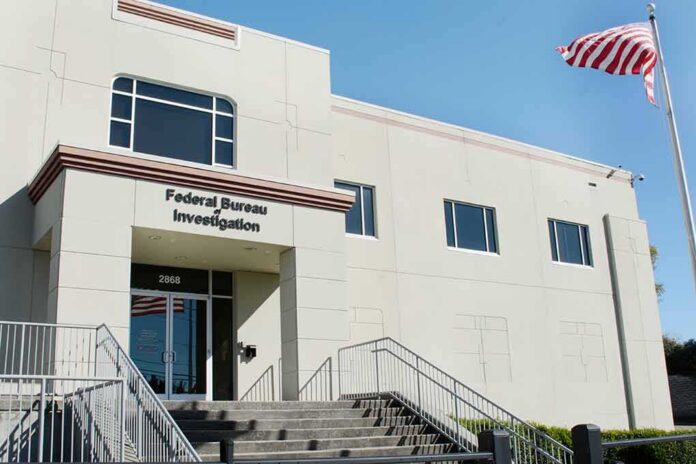
Prosecutors say three men linked to Iran planned almost 20 attacks, including a failed bid to strike a U.S. air base in Britain, showing how distant actors can push violence onto Western soil.
Story Snapshot
- U.S. prosecutors charged three men over a campaign of nearly 20 alleged attacks.
- The case includes an alleged plot against RAF Fairford, a U.K. base hosting U.S. forces.
- Investigators cite videos, vans, fuel drums, and paid U.K. contacts as preparation steps.
- British intelligence reports a surge in Iran-linked activity targeting harder sites.
What The Indictment Says Happened
The U.S. Department of Justice charged three men with supporting Iran’s Islamic Revolutionary Guard Corps and Kata’ib Hezbollah, and with taking part in a campaign of nearly 20 attacks or attempted attacks. The indictment names counts for material support, attempted terrorism across borders, conspiracy to bomb a place of public use, and attempted destruction by fire or explosive. Prosecutors say the campaign included a planned strike on Royal Air Force Fairford in England, where U.S. aircraft and personnel were present.
National Public Radio summarized the alleged plot’s steps. According to prosecutors, one defendant, operating from Iran, began paying U.K.-based associates in August 2026 to watch RAF Fairford. Those associates allegedly filmed the base perimeter, obtained vans and fuel drums, looked at chemical accelerants, and gathered metal items to serve as shrapnel. On September 26, three vans allegedly moved toward the base before the operation did not go forward.
Why RAF Fairford Mattered As A Target
Royal Air Force Fairford hosted significant U.S. military assets during the period of the alleged plot, making it a high-value target for anyone seeking to harm American forces or deter U.S. operations. A hit on a base with U.S. aircraft would have risked mass casualties and a direct clash with a key ally. The case underscores a hard truth for many readers: distant power struggles can land at the edge of a local runway, with Americans and Britons in harm’s way.
The Justice Department’s account ties the planning to a chain of direction from a coordinator in Iran to U.K.-based intermediaries. That model mirrors a broader pattern flagged by British security leaders, who say Iranian-linked actors have turned more to criminal go-betweens and harder targets, including military sites. This does not prove each detail in this case, but it shows the alleged approach fits current threat trends cited by officials.
How This Fits The Wider Threat Picture
British intelligence reporting says the United Kingdom has faced a sharp rise in Iran-linked plots in recent years. Officials describe more than 20 potentially lethal plots since 2022. They warn of a shift toward tougher targets and the use of third-party agents to handle surveillance, intimidation, or violence on European soil. The Security Service’s director highlighted a surge in state-threat cases and more arrests tied to Iran-linked activity in the year to October 2026.
US Charges 3 Men Over Alleged Iran-Linked Terror Plots in UK and UShttps://t.co/yjFbwO6hol #irannews #usterrorismcase #dojindictment #rafairford #irgc #kataibhezbollah #fbicounterterrorism #jewishcommunities #nationalsecurity #worldnews #NRIPage
— NriPage (@NRIPage) November 11, 2026
The United States case leans on specific alleged preparatory acts rather than only talk: perimeter videos, vans, fuel drums, and shrapnel-like metal. That list suggests planning moved beyond early chat and into logistics. Prosecutors also stress that the Fairford-related charges sit inside a broader eight-count indictment covering the alleged campaign of attacks and attempts, tying the case to a multi-country threat environment. The defendants have been charged, not convicted, and the case will proceed in court.
What It Means For Americans And Allies
This case highlights soft spots that worry people on the right and left alike. A hostile network can recruit local help, rent common vans, and gather fuel to aim at U.S. service members and bystanders. That reality feeds public fears that elites and agencies are not moving fast enough, while threats adapt in plain sight. The facts alleged here show how affordable tools and paid contacts can turn a foreign plan into a local emergency within weeks.
For readers tracking policy, the story raises three stakes. First, base security and community policing must catch early moves like rental patterns and odd fuel buys. Second, allied intelligence sharing remains vital when plots cross borders in days. Third, leaders must show results against state-backed networks without sweeping up innocent people. Getting that balance right protects freedom and safety at the same time, which is the point of the system in the first place.
Sources:
military.com, bbc.com, afp.com, examinerlive.co.uk
© standardnewsdaily.com 2026. All rights reserved.