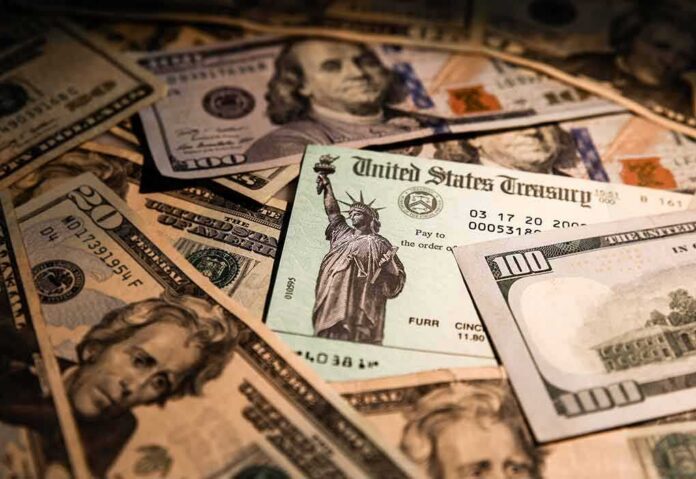
Special Counsel Jack Smith’s team collected nearly 5,000 personal checks from everyday Americans who donated as little as $1 to President Trump and other Republicans, according to Senate Judiciary Committee records.
Story Snapshot
- Whistleblower records show Smith’s team acquired at least 4,782 donor checks from all 50 states, Washington, D.C., and Puerto Rico.
- Chairman Chuck Grassley says the checks included home addresses, bank routing numbers, and signatures, many for gifts as small as $5 to $10.
- Smith told senators “yes, we acquired financial information” but could not recall every subpoena his office issued.
- Senator Ted Cruz says the probe sent 197 subpoenas covering more than 430 named Republican individuals and groups.
Whistleblowers Hand Over Donor Records
Senate Judiciary Committee Chairman Chuck Grassley says his office received the check records through legally protected whistleblower disclosures. The documents show Smith’s team gathered at least 4,782 checks from Americans who gave money to Trump and Trump-aligned Republican groups. Grassley says the list touches every state, including 42 checks from his own constituents in Iowa.
Grassley told Smith directly that many of the checks were for tiny amounts, sometimes just five or ten dollars. He argued there was “no legitimate basis” for collecting that kind of personal financial data, especially since donations to Republican groups were never mentioned in Smith’s own public report on the investigation.
Smith Confirms Financial Collection, Struggles With Details
Under questioning, Smith admitted his office gathered financial records but framed the work as part of a much larger inquiry. He described the case as “one of the most serious crimes that’s ever happened in our nation’s history,” referring to Trump’s efforts to overturn the 2020 election. Smith could not recite every subpoena his team sent, leaving some senators without clear answers on why donor checks were needed.
Cruz pressed further, saying the overall investigation, known as Arctic Frost, sent 197 subpoenas to 34 people and 163 businesses. Those subpoenas sought records tied to more than 430 named Republican individuals and entities, including “statistical data and analysis relating to donors and fundraising efforts”. Cruz called the effort a “massive fishing expedition” that swept up more than just evidence tied to specific crimes.
Phone Records And Text Messages Also Swept In
The donor-check controversy is not the only piece of the story. Separate reporting shows Smith’s office subpoenaed the National Archives for text messages from government phones tied to more than 40 lawmakers, including at least 20 percent of Republican senators, under nondisclosure orders that blocked them from finding out right away. Cruz says AT&T refused one such subpoena for his own phone records, citing constitutional protections for lawmakers.
What Remains Unverified
No public document yet lays out, checkbook style, why investigators believed thousands of small-dollar Republican donor checks were necessary evidence. The underlying subpoenas, court filings, and any internal legal reviews have not been released. That gap means the full justification for collecting the records is still not settled in public view, even though Smith does not dispute that the collection happened.
A Familiar Pattern With New Alarm Bells
Large-scale subpoenas are not new in special counsel work. Robert Mueller’s Russia probe issued more than 2,800 subpoenas, and Smith’s own 2020 election investigation sent subpoenas to state election officials in several swing states years before this hearing. Broad evidence gathering has long been standard in complex federal cases.
What is different here is the scale and subject: small personal checks from ordinary citizens, not just officials or campaign staff. That detail has fueled reactions from voters on both sides who already question whether federal agencies target people based on politics rather than proven wrongdoing. Courts have also grown more protective of donor privacy, with the Supreme Court ruling unanimously in April 2026 that groups can sue to keep supporter names confidential.
Why This Matters Beyond One Hearing
This dispute lands at a moment when trust in federal investigators is already fragile across the political spectrum. Conservatives see the donor checks as proof of a two-tiered justice system. Many independents and liberals, wary of unchecked government power in general, may share unease at the idea of thousands of small donors having their bank details pulled into a federal case file. That shared discomfort, more than partisan score-keeping, is the real takeaway here.
.@SenTedCruz (R-TX) grills Jack Smith on subpoenas to Republican phone records and whether he sought donor fundraising data: "You know damn well you did. You've been questioned about the the checks that you guys got. You know the answer so why don't you answer the question?" pic.twitter.com/el7qdAB5Hi
— CSPAN (@cspan) September 29, 2026
Congress has not yet forced the release of the actual subpoena language or internal authorization records that would clarify whether the collection was properly limited. Until that happens, the public is left weighing Grassley’s and Cruz’s detailed, on-the-record accusations against Smith’s brief acknowledgment that the records exist, without a full paper trail to settle the matter either way.
Sources:
twitchy.com, justthenews.com, yahoo.com, thegatewaypundit.com, newsnow.com, abcnews.com
© standardnewsdaily.com 2026. All rights reserved.