
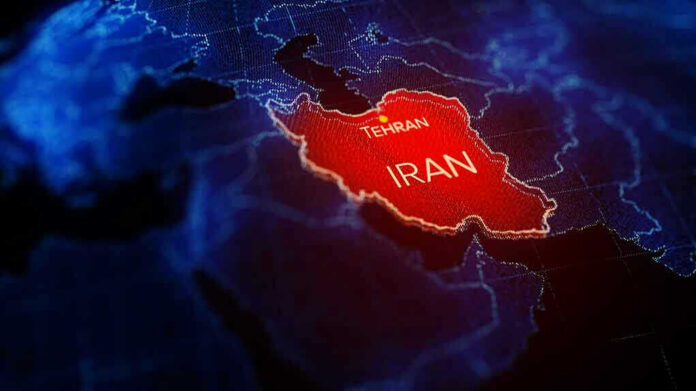
As a fragile U.S.–Iran peace deal nears, the hardest question still hanging is what really happens to Iran’s nuclear materials.
Story Snapshot
- Trump-era negotiators say a 60-day deal with Iran includes limits on enrichment and nuclear stockpile controls.
- Iranian officials publicly resist fast removal of highly enriched uranium, keeping key details vague and delayed.
- The old 2015 nuclear deal has expired, and Iran has grown its stockpile of high-grade uranium in recent years.
- Conservatives are watching to ensure peace does not trade real security for short-term calm and oil relief.
Peace Deal Nears, But Nuclear Terms Lag Behind
Reports say U.S. and Iranian negotiators have agreed to a 60-day memorandum of understanding that extends a ceasefire and opens talks on a broader peace deal ending the recent war and reopening the Strait of Hormuz.[1] U.S. officials briefed on the talks claim this short-term framework will cover how Iran disposes of its highly enriched uranium and manages future enrichment. They also say Iran has agreed in principle not to pursue nuclear weapons as part of the emerging deal.[1]
At the same time, public comments from Iranian officials and outside analysts paint a less settled picture. Some Iranian voices insist that nuclear issues, including the fate of enriched uranium stockpiles and specific sites, belong in a later phase of talks, not in the first ceasefire package. This gap between quiet diplomatic language and public statements is common in past Iran talks, where headlines move faster than the technical text, and the toughest issues often get pushed to follow-on negotiations.
Iran’s Nuclear Program Is Stronger Than Before
Since the United States left the 2015 nuclear deal in 2018, Iran has steadily expanded its nuclear program beyond earlier limits.[6] International reports describe how Iran has enriched uranium far above the old cap of 3.67 percent and built up a growing stockpile of 60 percent highly enriched uranium, which is near weapons-grade and cuts “breakout time” down to as short as a week.[2] That means Iran can move much faster from nuclear material to a potential bomb core than it could under the earlier agreement.[2]
The old Joint Comprehensive Plan of Action, known as the Iran nuclear deal, also had sunset dates that have now passed or are very close.[1][3] Critics long warned that by the late 2020s Iran would face fewer limits on enrichment, research, centrifuges, and stockpiles, while gaining permanent economic benefits.[1] In October 2025, after United Nations sanctions relief procedures snapped back over compliance concerns, Iran said it no longer felt bound by the deal at all and moved ahead on its own terms.[3][7]
Removal Of Nuclear Materials: Technical And Political Hurdles
Any serious removal of Iran’s nuclear materials faces both engineering and political challenges. Experts say inspectors believe Iran holds hundreds of kilograms of uranium enriched up to 60 percent, material that could be further enriched for a nuclear weapon.[7] Moving that level of material out of Iran would likely require detailed planning, secure transport, and trusted third-country partners, all under international inspection. Technical ideas range from shipping material abroad to diluting or destroying it in place.[3]
Yet recent reporting notes that “details on removal of nuclear materials from Iran” are still to be worked out even as the war-ending deal nears. That suggests negotiators have agreed more on the political frame than on the exact steps, timelines, and verification rules. For conservatives, that raises an old fear: that Washington signs a paper promising peace and open shipping lanes first, while the most dangerous nuclear pieces are left vague, delayed, or dependent on future goodwill from a regime that has a long record of hiding nuclear work from inspectors.
What Conservatives Should Watch In The Final Deal
As President Trump’s team moves to lock in the end of the war and reopen the Strait of Hormuz, conservative voters will want to see hard, testable nuclear conditions, not just hopeful language. The emerging agreement reportedly ties sanctions relief and oil sales to Iran’s behavior, including nuclear steps. That structure can be a tool for pressure, but only if inspections are tough, cheating has real costs, and key nuclear materials are removed or locked down in a way that Iran cannot quickly reverse.
Future verification rules will matter more than speeches or signing ceremonies. Past deals allowed delays of many days before inspectors could access suspect sites, giving Iran time to clean up evidence.[1] Today’s conservatives know that America is safest when our adversaries fear our resolve, not when we trust their promises. As this deal comes together, they will look for clear proof that Iran’s nuclear path is narrowed in practice, not just on paper, before accepting any claim that the threat has truly been reduced.
Sources:
[1] Web – Removal of Iranian nuclear materials to be worked out as war deal …
[2] Web – U.S. and Iran reach deal but need Trump’s approval, officials say
[3] YouTube – Iran’s deputy FM confirms deal with US to end the war …
[6] YouTube – US and Iran reach peace deal on ending war, opening …
[7] Web – United States withdrawal from the Iran nuclear deal – Wikipedia
© standardnewsdaily.com 2026. All rights reserved.