The Pentagon’s own budget official told senators the Iran war has cost $48.3 billion so far, and that total still leaves key bills off the ledger.
Story Snapshot
- A Pentagon budget leader put Iran war costs at $48.3 billion as of November 13
- The figure covers munitions, equipment replacement, and operations, but not base repairs
- Senators pressed for fuller accounting during the Navy comptroller nomination hearing
- Earlier estimates jumped quickly, reflecting fast spending and shifting categories
What The Pentagon Said Under Oath
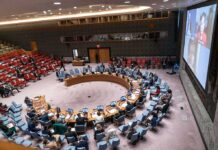
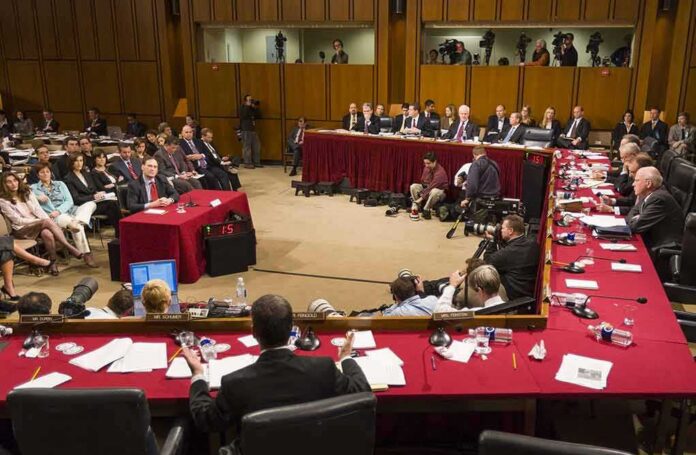
Arthur Miller, President Trump’s nominee to serve as Assistant Secretary of the Navy for Financial Management and Comptroller, told the Senate Armed Services Committee that U.S. military costs for the Iran war reached $48.3 billion as of November 13. Miller, who serves as a senior Defense Department budget official, said the total includes munitions, equipment replacement, and operational costs. He spoke at his November 19 confirmation hearing, where lawmakers asked for more detail on what is and is not counted in that total.
Miller also said the estimate does not include the price to fix damaged U.S. military facilities. Senators asked for those numbers and for a clearer cost breakdown by category and service branch. Reports from the hearing state that both the committee chair and other members pressed for better transparency. The setting matters because these statements create a public record and a path for follow-up questions and official documents that can confirm the categories and timing behind the total.
How This Number Fits Earlier Estimates
The $48.3 billion figure tracks with a sharp climb in recent public estimates. A Pentagon estimate in July was $37.5 billion. A Congressional Budget Office snapshot around August 1 was near $38 billion. Reports in October cited more than $47 billion. These jumps likely reflect added operations, replacement contracts, and supply costs over time. However, the reports do not explain each change in scope or method, so exact month-to-month reconciliation remains unclear in public sources.
Hearing coverage says the $48.3 billion relates to direct military costs. It does not capture wider effects like higher shipping insurance, oil market swings, or other ripple costs across the economy. That pattern matches earlier wars. Government Accountability Office reviews have shown that “cost of war” can mean very different things in different reports, from obligations to outlays to replacement values. That is why totals can move fast and look uneven across agencies and time frames.
What Is Counted, What Is Missing, Why It Matters
Miller listed three main buckets in the total: munitions, equipment replacement, and operational costs. Those items drive big bills when missions surge, equipment wears out, or new contracts replace spent stocks. But base repairs were not included. That missing line matters. Facility damage can mean major military construction, emergency fixes, and new security hardening. Lawmakers asked for those numbers so they can see the full impact on readiness and on future budget requests, not just the near-term cash burn.
Rapidly rising costs hit both pocketbook and trust nerves for many Americans. Conservatives worry about debt, inflation, and the strain on defense stockpiles. Liberals worry about tradeoffs with domestic needs and the long tail of war spending. People across the spectrum want clear numbers that match real choices. Publishing the backup tables, definitions, and timing would help. Senators signaled they expect that detail, and that they plan to review how this money was tracked and reported.
Sources:
insidedefense.com, news18.com, wenewsenglish.com, middleeasteye.net, newarab.com
© standardnewsdaily.com 2026. All rights reserved.