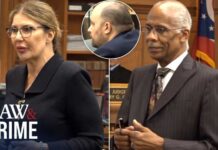

Los Angeles prosecutors confirmed they will not seek the death penalty against Nick Reiner, even as he faces first-degree murder charges with special-circumstance allegations in the killings of his parents, Rob and Michele Reiner.
Story Snapshot
- Prosecutors declined the death penalty but kept special-circumstance charges that allow life without parole.
- A grand jury indictment was unsealed charging Reiner with two counts of murder in Brentwood.
- Reiner pleaded not guilty; hearings and pretrial steps continue in Los Angeles.
- California law ties death eligibility to “special circumstances,” but pursuit is still a choice.
What Prosecutors Decided and What It Means
Los Angeles County prosecutors stated they will not pursue a death sentence in the Nick Reiner case, which involves two counts of first-degree murder with special-circumstance allegations. Those allegations include multiple murders and, according to public updates, can support a sentence of life without parole if proven at trial. California law allows prosecutors to charge a case as death-eligible, but still decide not to seek death at sentencing. That choice keeps the harshest non-capital penalty on the table.
Many readers ask how someone can face “death-eligible” charges but not the death penalty. California ties death eligibility to specific “special circumstances,” such as multiple victims. A jury must first find those circumstances true, beyond a reasonable doubt, along with first-degree murder, before a death sentence is even possible. Even then, the District Attorney can decide not to ask for death. In that event, life without the possibility of parole remains the most severe punishment.
The Charges and the Grand Jury Indictment
The Los Angeles County District Attorney’s Office announced that a grand jury indictment was unsealed charging Reiner with the murders of his parents at their Brentwood home. The indictment was returned in July and made public in August. Prosecutors have charged two counts of first-degree murder with a special circumstance for multiple murders, which increases the potential sentence if a jury convicts. Reiner entered a plea of not guilty at a court appearance earlier this year, and pretrial steps have continued since then.
Reports also describe additional special-circumstance theories discussed publicly by prosecutors, including lying in wait, which can also support life without parole if proven. Those labels matter because they shape the trial, the evidence the state must present, and the penalty choices available at the end. For families and the public, the mix of legal terms can feel like a maze. But the current bottom line is clear: prosecutors will not ask for death; they will seek the maximum non-capital sentence allowed.
Why This Decision Fits a Broader California Pattern
California’s special-circumstance scheme is broad. Many first-degree murder cases can meet at least one special circumstance. That legal structure means a case can be charged as death-eligible while prosecutors still decide not to pursue death at sentencing. The United States Supreme Court and California courts have explained that death or life without parole can be imposed only if a jury first finds a special circumstance true. That threshold often creates public confusion about what penalties are actually in play.
This pattern is one reason high-profile cases can spark debate about fairness and clarity. Some see tough labels without the ultimate penalty as empty talk. Others see it as a way to preserve leverage while leaving final punishment to a jury’s findings and the prosecutor’s judgment. In this case, the choice not to seek death narrows the endgame but keeps the state’s strongest non-capital punishment available if the jury convicts on the charged theory.
Public Frustration and the Justice System’s Tradeoffs
People across the political spectrum feel the system often talks tough but delivers slowly. Long timelines, complex charges, and shifting penalty choices can erode trust. This case shows that tension. Prosecutors used special-circumstance charges that make the case eligible for the harshest penalties, yet they ruled out death. Supporters may say this focuses resources and avoids years of costly appeals. Critics may say it blurs the line between what is promised and what is pursued.
Nick Reiner Will Not Face Death Penalty in Double Murder Case of Hollywood Parents Rob and Michele.
Nick Reiner,the 33-year-old son of famed filmmakerRob Reiner and photographer Michele Reiner,is set to appear in a downtown Los Angeles courtroom today for a high-stakes pretrial… pic.twitter.com/A06CSJpQni
— 7happy (@Sevenhappy007) September 15, 2026
For readers trying to track next steps, here is the simple map. Prosecutors charged first-degree murder with special circumstances. Reiner pleaded not guilty. A jury, not a judge, would have to decide the facts at trial. If jurors convict and find a special circumstance true, the court can impose life without parole. The death penalty is off the table in this case, by the prosecutor’s choice, but the potential sentence still reaches the system’s most severe non-capital end.
Sources:
pagesix.com, nbcnews.com, tmz.com, naacpldf.org, cases.justia.com
© standardnewsdaily.com 2026. All rights reserved.