
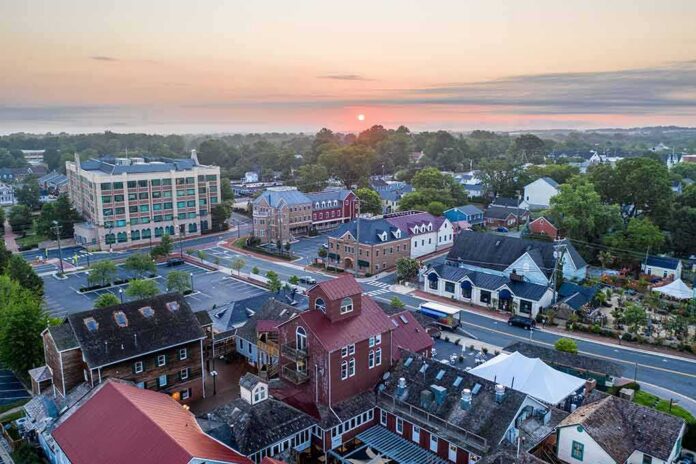
Residents in a Pennsylvania township are refusing $10,000 checks because they say an artificial intelligence data center would cost them more than it pays.
Story Highlights
- NorthPoint pledged a $165 million community package tied to data center approval.
- The plan includes $10,000 per eligible household, paid only after the first building opens.
- Many residents reject the offer, citing property values, noise, and distrust.
- Township leaders have resisted the project through zoning and a pause on applications.
What NorthPoint Put On The Table
NorthPoint Development proposed a $165 million community benefits package to support a data center campus in Hazle Township, Luzerne County. The package includes a $45 million grant fund to send $10,000 to each eligible household, a $15 million community support fund for schools and programs, and $105 million over 15 years for township services. Company materials say the payments aim to ease costs and fund local needs, including public safety and trash-fee relief.
NorthPoint’s frequently asked questions page makes the timing and triggers clear. The $10,000 grants would be paid only after the first building receives a certificate of occupancy, which the firm estimated could be in late 2027. The company also states residents can use the money as they choose, for housing needs or other expenses. The materials frame the plan as support, not a buyout, but they do not publish the legal agreement itself.
Why Many Residents Are Saying No
Local reporting shows many residents do not see the $10,000 as fair trade for years of noise, traffic, and industrial lighting. People cite worries about home prices, constant humming, water use, and pollution. Court records and public meetings reflect these concerns. Some neighbors call the checks a “bribe,” and argue the payout is both too small and too uncertain since it comes only after the first building opens, if it opens at all.
One on-the-record view captures the tension many feel: a resident argued the payment does not match likely home price losses, pointing to risk on their largest asset. That sentiment appears across coverage and has fueled a coalition that cuts across usual party lines. The pushback centers on quality of life, property values, and trust in both the developer and local officials, not on short-term cash.
Government Roadblocks And The Trust Gap
Township supervisors have rejected or delayed the project on zoning grounds and adopted a temporary pause on data center filings, according to regional reporting. That means even large private offers cannot bypass local land-use rules. The resistance reflects a broader trend: many communities now see data centers as high-impact sites that load costs on locals while sending profits elsewhere. In that setting, vague or delayed benefits deepen distrust rather than fix it.
Why a Data Center Developer Is Offering Households $10,000
NorthPoint Development is proposing something unusual around its massive Project Hazelnut data center campus in Pennsylvania: a $10,000 grant for each eligible household in Hazle Township.
The money is part of a $45… pic.twitter.com/IoPolCgqfz
— TechSignal (@tchsignal) September 28, 2026
Experts say one tool can narrow this gap: a binding community benefits agreement. Groups like the Brookings Institution and the Federation of American Scientists explain that real agreements set clear dollar amounts, timelines, and enforcement, with independent monitoring. They also spell out who qualifies, when payments flow, and what happens if plans change. Without those details in public view, even generous figures can look like marketing instead of a promise.
What Both Sides Need To Show Next
NorthPoint could publish a signed, enforceable agreement with escrowed funds, release a third-party fiscal-impact report, and disclose noise, traffic, water, and grid studies for the site. The firm could also define who is eligible for the $10,000, how many households are counted, and what residents can do if the project is delayed. These steps would answer core questions and test whether the deal is real and fair, not just eye-catching.
Local leaders could lay out clear standards for data centers: noise limits, water use thresholds, lighting rules, road upgrades, and revenue-sharing. They could also host independent reviews in public sessions so people can check the numbers. Many Americans on the left and right feel the system favors insiders. Transparency and hard guardrails help show who is accountable and who benefits, before shovels hit the ground.
Why This Fight Feels Bigger Than One Township
Data centers power the tools many people use each day, but the costs land on neighbors first. Across the country, developers now add benefits packages because permits alone do not win trust. When offers are contingent, undefined, or years away, they do not calm fears about home values and bills. When government avoids clear rules, residents see another backroom deal. That mix fuels rejection, even when checks are on the table.
Sources:
townhall.com, techspot.com, msn.com, en.sedaily.com, reason.com, fox56.com, datacenterwatch.substack.com, tomshardware.com
© standardnewsdaily.com 2026. All rights reserved.