
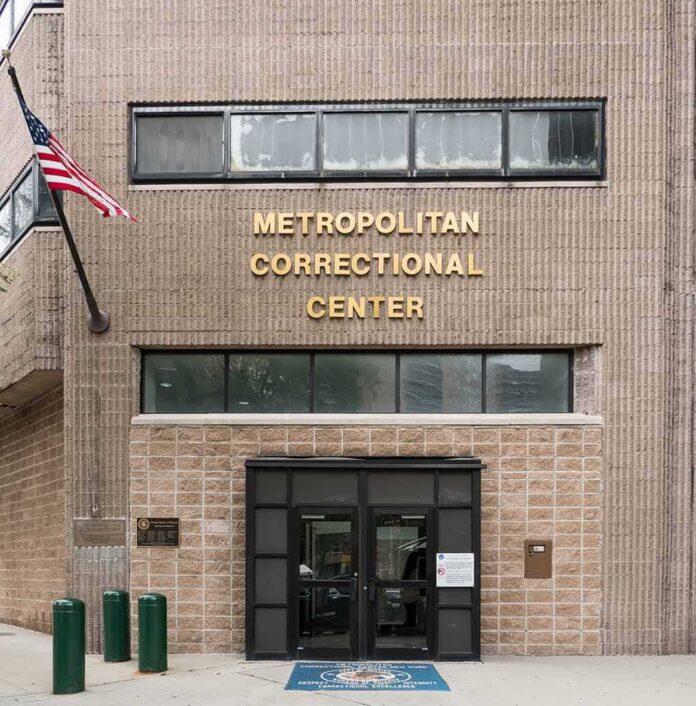
The Justice Department asked the Supreme Court to let federal prisons enforce a policy that ends gender-affirming care for most inmates while a legal fight continues.
Story Highlights
- The Bureau of Prisons issued a 2026 policy tied to a Trump executive order limiting transgender care in federal prisons.
- The Justice Department wants the Supreme Court to let that policy take effect during ongoing litigation.
- A prior court order requires prisons to keep providing hormones and social accommodations for now.
- Officials say the policy follows medical evidence and prison-security needs; critics call it a ban.
What DOJ Asked And Why It Matters Now
The Department of Justice asked the Supreme Court to allow the Bureau of Prisons to implement its February 19, 2026 inmate-care policy while a lawsuit proceeds. The case, Kingdom v. Trump, challenges Executive Order 14168 and related prison rules on transgender care and accommodations. The government’s request signals it wants the justices to pause lower-court limits and let the policy operate during the appeal. The move comes as federal facilities navigate conflicting guidance and active court orders.
The current policy links directly to Executive Order 14168, “Defending Women from Gender Ideology Extremism and Restoring Biological Truth to the Federal Government.” The Bureau of Prisons document describes how facilities should handle diagnosis, treatment plans, and security factors under the order. It also acknowledges an existing preliminary injunction in Kingdom v. Trump that still requires hormones and certain social accommodations for inmates diagnosed with gender dysphoria pending further court action.
What The Prison Policy Actually Says
The Bureau of Prisons policy states that staff will not provide social transition items and that inmates will not receive social accommodations. It also describes a review process for inmates already on hormones, including medical review team approval of tapering plans submitted by primary care providers. Those provisions led reporters and advocates to describe the rule as a systemwide end to gender-affirming care for most inmates, with forced tapering for those currently on medication.
Bureau officials have framed the approach as individualized and evidence-based. A spokesperson said the policy rests on medical studies, expert opinions, state corrections models, case law, and prison-security concerns. Officials argue prisons must balance medical needs with safety, order, and resource limits. However, the agency has not publicized the underlying studies or expert reports that support the hormone-tapering framework, leaving outside observers to assess the policy mainly through the program statement and litigation filings.
Where The Courts Have Drawn The Line So Far
A federal judge issued a preliminary injunction in 2025 requiring the Bureau of Prisons to continue providing hormone therapy and restore access to certain social accommodations while the case moves forward. The 2026 Bureau of Prisons policy itself recognizes that the injunction binds the agency at this stage, which is why the Department of Justice is now seeking high-court relief. The legal question is whether prisons can narrow or pause transition-related care during litigation over constitutional and statutory claims.
Trump administration asks Supreme Court to OK transgender inmate policy https://t.co/lhekGNayxQ
— The Hill (@thehill) September 28, 2026
Advocates for the plaintiffs argue the policy is a categorical ban that harms inmates with diagnosed gender dysphoria and violates the Eighth Amendment. The American Civil Liberties Union case page describes forced tapering and removal of social accommodations as central harms. News reporting likewise characterizes the policy as an end to transition-related medical and social care across the federal system, based on the program statement’s text and early implementation steps.
Why Conservatives Care: Security, Clarity, And Rule Of Law
Prisons must set clear rules that protect women’s spaces, reduce contraband risks, and maintain order. Executive Order 14168 directs agencies to anchor policy in biological sex for those goals. The Bureau of Prisons says its rule uses medical review and prison-security judgment, not ideology. The Supreme Court request seeks a uniform standard while courts decide the merits. Until the justices rule, the injunction means facilities must keep providing hormones and certain accommodations despite the new policy.
What Comes Next And Practical Impact
If the Supreme Court grants the government’s request, prisons could enforce the 2026 policy during the appeal, including the stated limits on social accommodations and the medical-review-driven tapering process for hormones. If the Court denies relief, the injunction requiring continued hormones and accommodations will remain in place while lower courts weigh the full record. Either way, prison leaders, medical staff, and inmates face a period of continued uncertainty as the case advances.
Sources:
justice.gov, casemine.com, jaapl.org, pbs.org
© standardnewsdaily.com 2026. All rights reserved.