
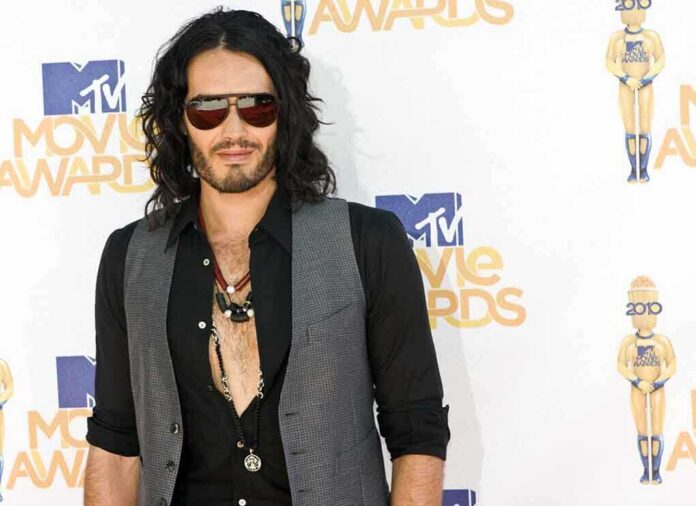
Six women who do not know one another have accused Russell Brand of rape and sexual assault in a London trial spanning alleged incidents from 1999 to 2009.
Story Snapshot
- Prosecutors opened a case with seven charges against Brand, who pleads not guilty.
- Allegations cover multiple settings, from a bar restroom to workplaces and a home.
- The first witness described Brand as fearful after a 1999 trip tied to one allegation.
- Prosecutors say delayed reporting stemmed from shame and fear of blame.
Prosecution Opens With Seven Criminal Charges
Prosecutors told a Southwark Crown Court jury that Russell Brand faces seven charges linked to six women. The Crown Prosecution Service authorized three counts of rape, three counts of sexual assault, and one count of indecent assault, tied to alleged conduct between 1999 and 2009 in London and Bournemouth. The prosecution said the women came forward independently and did not know one another. Brand pleaded not guilty to all counts as the trial began, setting up a case that could last for weeks.
Prosecutor Riel Karmy-Jones described case themes and alleged patterns across time and settings. The opening said the incidents were reported in locations including a hotel room, workplaces, a toilet cubicle in a bar, and Brand’s home. The prosecutor outlined specific alleged acts, such as an oral rape in a London bar restroom in 2004 and kissing and groping at a London radio station in 2004 or 2005. The court will hear each allegation under separate legal counts.
First Witness Describes 1999 Aftermath
The first witness, Mark Pinheiro, testified about Brand’s behavior after a 1999 trip to Bournemouth. He said Brand wanted to leave abruptly the next morning and appeared very afraid, with one account describing him as “cowering” in the back seat. The testimony does not decide guilt, but it gives the jury a view of Brand’s state of mind after one alleged incident. Further witnesses and evidence are expected to follow as the prosecution sets out its case.
Prosecutors addressed why the women did not report the alleged assaults at the time. They told jurors the women felt shame, guilt, and feared being blamed. They also said separate events in 2023 prompted the women to come forward for different reasons. Courts often see delays in reporting sexual offenses, and the jury will consider those reasons against the details of each charge. The complainants are legally entitled to lifelong anonymity.
Media Attention And Jury Safeguards
Coverage of the trial has been intense, with large media interest and sharp language from the prosecution featured in headlines. The court warned jurors not to research the case online or discuss it, and dismissed potential jurors who reported exposure to key media reports. These steps aim to shield the jury from outside influence while they evaluate only the evidence admitted in court. Brand denies the allegations and remains a public figure.
1/ Watching news about Russell Brand and the Scottish police officers on trial for rape and I simply no longer trust the state prosecuting. After the Salmond case, and known perjurers being so heavily protected, my assumption now is that it's all political. That's the harm done.
— Fergie (@Fergie_CJ) October 15, 2026
This case touches on two hard systems: sexual offense trials, which often involve delayed reports and limited physical evidence, and celebrity media cycles that can fix public views early. Those pressures do not prove or disprove any charge; they explain why the court stresses process and proof. The jury must decide each count on the evidence and the law, not public narratives. That is the backbone of due process in any high-profile case.
Sources:
insiderpaper.com, bbc.com, kmbc.com, itv.com, bbc.co.uk, independent.co.uk, cps.gov.uk
© standardnewsdaily.com 2026. All rights reserved.