
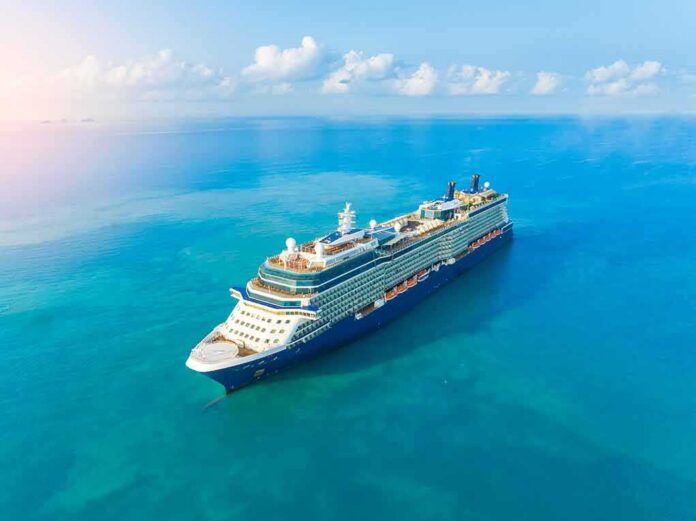
A residential cruise that promised “home at sea” ended with about 200 people ordered off the ship in Cambodia after fuel costs exploded, halting the voyage.
Story Snapshot
- Operator suspended service and told residents to disembark in Sihanoukville, Cambodia.
- Company cited a jump in monthly fuel costs from about $1,800 to $6,000–$8,000 per cabin in Asia.
- Residents faced sudden housing uncertainty as the firm sought restructuring and new funding.
- About 200 people had treated the vessel as a long-term home before the shutdown.
Residents Ordered Ashore As Voyage Stopped In Cambodia
Villa Vie Residences suspended operations and told residents to leave the ship in Sihanoukville, Cambodia, citing unsustainable costs. Reuters reported that around 200 people were ordered off while the company worked on temporary accommodations. Videos and interviews showed people at the port describing shock and confusion about their next steps. The decision ended months of life at sea for many who had sold homes and planned to live aboard for years, treating the vessel as their primary residence.
Villa Vie said it was coordinating the disembarkation and seeking short-term housing for residents. Some accounts described people “at a loss” after the abrupt order to leave, underscoring the gap between promised support and immediate needs on the ground. The exact number still lacking hotels or onward travel remains unclear. Reports identified the scale of the disembarkation but did not verify who had confirmed rooms, flights, or local help by the end of the day.
Fuel Costs Blew A Hole In The Business Model
The company tied the shutdown to a surge in fuel prices along the route. Villa Vie said the equivalent monthly fuel cost rose from about $1,800 per cabin to an estimated $6,000 to $8,000 in parts of Asia, which it could not cover under current financing. The firm announced a 60-day period to assess restructuring and recapitalization options rather than giving a restart date. Separate reporting estimated total monthly costs near $3 million before the stop.
These figures help explain why residents doubted a quick return to sea. A several-fold jump in a core operating expense can break even a tightly run voyage. The operator’s release supplied the main numbers and its plan to seek new funding, which left residents waiting in limbo while negotiations happen in private. Media accounts linked the disruption to high fuel costs and stressed how quickly the situation went from normal operations to a full stop.
Why Residential Cruising Carries Extra Risk
This incident highlights risks unique to residential cruises. The model blends a startup’s funding needs with a ship’s nonstop costs and the emotional weight of a home. Analysts note common weaknesses: reliance on pre-sales, thin reserves, and limited maritime experience among some developers. Operating a ship without long breaks is complex and expensive, and buyers cannot separate their cabins from the vessel’s upkeep and fuel reality. When the operator hits trouble, residents feel it first and fast.
Unlike a condo on land, a cabin at sea cannot be sold apart from the ship and its health. Consumer protection is murkier than in housing markets with escrow, title rules, and clear remedies. Past cruise collapses show that customers can lose large sums and suddenly face canceled plans and unpaid vendors. The industry’s history includes painful examples where fuel bills and debt cascaded into broken promises to travelers.
Human Impact And The Path Ahead
Residents described a scramble for basics: lodging, internet, medications, and flight plans. Sihanoukville is far from many residents’ home countries, which can make last-minute arrangements harder and more expensive. Coverage portrayed the city’s casino economy and scams, adding to a sense of unease among older travelers trying to book rooms and rework visas quickly. The company said it was helping, but many people still faced hard choices and unexpected costs that same week.
The Never-Ending Cruise Just Ended
Around 200 people sold their homes to live on the Villa Vie Odyssey. Now they're stranded in Cambodia because the operator ran out of money for fuel. Hard to plan for that one.#VillaVieOdyssey #Cambodia #Cruise pic.twitter.com/WqeE8dJBL3
— The Eric T Conversation (@TheEricTPodcast) October 29, 2026
Villa Vie’s 60-day restructuring window leaves key questions open. Will new money arrive? Can routes shift to cheaper fuel markets? What compensation, if any, will residents receive for lost time or added costs? Contracts and insurance policies will decide much of this, but those documents are not public in the reporting so far. For now, the facts are simple and stark: the voyage stopped, residents were told to get off in Cambodia, and the future of their “home at sea” is uncertain.
What This Signals For Ordinary Consumers
For readers, the lesson is caution. When housing depends on a single company and a single ship, one shock can upend daily life. Ask for proof of reserves, clear refund rules, and contingency plans for fuel spikes or port delays. Demand plain-language contracts that explain what happens if operations pause. This story shows how quickly rising costs can strand people far from home, even when the company promises help and hunts for new funding to carry on.
Sources:
youtube.com, reuters.com, rmb.reuters.com, straitstimes.com, independent.ie, cruisesnews.es
© standardnewsdaily.com 2026. All rights reserved.