
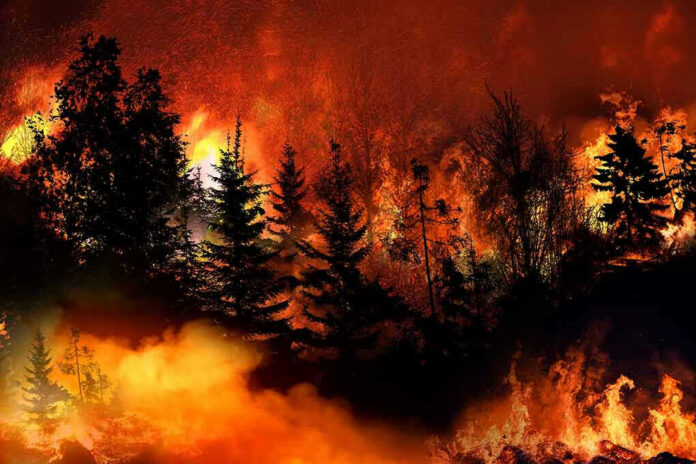
The Aspen Acres wildfire turned a quiet stretch of southern Colorado into an evacuation zone, while the damage count kept climbing in real time.
Quick Take
- Officials said the fire had grown to nearly 67,000 acres and remained 0% contained.
- Sheriffs said about 180 structures had been destroyed across Custer and Pueblo counties.
- Fire officials said the blaze was human-caused, but the exact ignition source was still under investigation.
- Mandatory evacuations covered Beulah, Rye, San Isabel, Wetmore, and Colorado City.
A Fire That Kept Outrunning the Count
The Aspen Acres fire moved fast enough to stay ahead of the damage reports. Denver7 reported that the blaze had burned nearly 67,000 acres by Friday morning, remained 0% contained, and had already destroyed about 180 structures across two counties. WildFire Explorer placed the fire at 55,405 acres, also at 0% containment, and called it the 10th-largest wildfire in Colorado history.
That gap between acreage and structure counts matters. When a fire is still active and neighborhoods remain unsafe, every number is provisional. Officials said residents could not return yet to check homes, which means the final damage total may still rise or settle lower once crews can get inside.
Where the Evacuations Spread
The evacuation orders hit places that many Colorado readers know by name, not by headlines. Mandatory evacuations covered Beulah, Rye, San Isabel, Wetmore, and Colorado City, with additional notices for nearby roads and rural areas. A New York Times report said Governor Jared Polis declared the fire a disaster emergency, which signaled that state response and aid would move quickly.
The location also shapes how people understand the story. The fire burned in Custer and Pueblo counties, about 15 miles northwest of Colorado City, which is far south of Denver rather than close to it. That detail does not make the threat smaller. It does make the headline geography easier to misread if someone assumes “southwest of Denver” means a suburban fire line.
The Cause Is Known in General, Not in Detail
Fire officials said the blaze was human-caused, but they did not say how it started. That is a meaningful distinction. Human-caused does not yet mean whether the ignition came from equipment, a vehicle, careless use of fire, or something else. The public has a right to expect the investigation to finish before anyone pretends the answer is already settled.
NEW: Aspen Acres fire grows to 55,392 acres, making it a top-10 biggest Colorado wildfire on record. It passed the 416 fire (2018) for 10th-biggest fire on record.
55,392 acres = 86.5 square miles = more than half size of the city of Denver. #COwx pic.twitter.com/NEsfhYXfmZ
— Chris Bianchi (@BianchiWeather) July 3, 2026
The structure loss also tells a harder story than raw acreage does. A burn map can look abstract on a screen. A destroyed home does not. Denver7 said sheriffs confirmed roughly 180 structures lost, while other reports said more than 160. That range suggests the count is still moving, which is normal during a fast disaster but frustrating for people waiting to know whether their property still stands.
Why the Fire Hit So Hard
What made this fire so dangerous was not one single factor. It was the combination of dry conditions, strong wind, and a fire that kept running before crews could fully box it in. WildFire Explorer said more than 326 personnel and seven large air tankers were assigned to the fire, yet containment still sat at 0%. That is a reminder that manpower helps, but it does not repeal weather.
The lack of confirmed civilian deaths also matters. The reports available here mention one firefighter injury, but no civilian fatalities. That does not soften the disaster. It simply shows that this fire, for all its size and property loss, had not yet produced the worst possible human toll in the sources reviewed. In wildfire reporting, that distinction can be easy to miss when numbers race ahead of facts.
What Still Needs to Be Answered
The final structure count remains the most obvious open question. Officials have not allowed residents back into all affected areas, so exact inspections are still pending. The ignition source is another open question. Investigators have said the fire is human-caused, but the specific act or mistake has not been named. Those answers will matter for blame, insurance, and future prevention.
The broader lesson is more practical than dramatic. In a fast-moving wildfire, early reports can be right in substance while still incomplete in detail. The Aspen Acres fire already forced evacuations, damaged hundreds of structures, and strained local crews. What happens next is not just about the flames. It is about who can go home, what is left, and whether the official record catches up with the scale of the loss.
Sources:
washingtontimes.com, denver7.com, fires.cornea.is, facebook.com
© standardnewsdaily.com 2026. All rights reserved.