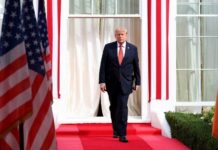
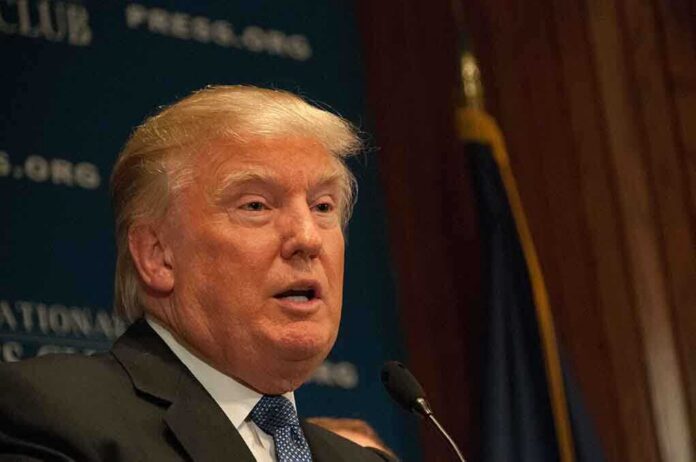
On July 4, 2026, President Trump spent roughly 90 minutes on the phone with Vladimir Putin, then called Volodymyr Zelenskyy — and both leaders came away saying a peace deal for Ukraine may finally be within reach.
Story Snapshot
- Trump held a 90-minute call with Putin on July 4, with the Kremlin calling it “businesslike and highly constructive.”
- Zelenskyy described his own call with Trump as “very good” and said there is a “real prospect to put an end to this war.”
- Trump said he believes a peace agreement is close and that his envoys will keep talking to both Moscow and Kyiv.
- Both sides agreed to continue talks at the North Atlantic Treaty Organization (NATO) Summit in Ankara on July 7–8.
What Happened on July 4
Trump called Putin first. The two men talked for nearly 90 minutes. The Kremlin’s senior aide, Yury Ushakov, said Trump “reaffirmed his readiness to facilitate the earliest possible cessation of hostilities.” Ushakov described the conversation as “businesslike and highly constructive.” That’s diplomatic language for: both sides stayed calm, stayed focused, and didn’t blow it up. After the Putin call, Trump rang Zelenskyy. The Ukrainian president told his team it was a “very good phone call.”
Trump came away from both calls sounding confident. He said he believes a deal to end the war is close. His authorized representatives, he confirmed, will keep in contact with both Moscow and Kyiv. That’s a meaningful detail. It means the U.S. isn’t stepping back — it’s staying in the room. Whether that room leads anywhere is the real question, and the NATO Summit in Ankara was the next stop to find out.
What Each Side Actually Agreed To
After his call with Trump, Putin signaled Russia was willing to work on a written memo outlining each side’s positions for a peace settlement — possibly including a ceasefire under certain conditions. That’s not a peace deal. It’s not even a ceasefire. But it’s a step toward putting something on paper, which is more than the war has produced in months. Zelenskyy, for his part, agreed to carry the conversation forward at the NATO Summit. He called it a “real prospect.”
Trump’s social media post after the calls said Russia and Ukraine would “immediately” begin negotiations toward a ceasefire and peace deal. He suggested the U.S. would play an indirect role — the two warring parties would lead. He didn’t threaten Russia with consequences if talks fail. Instead, he dangled trade opportunities for both countries if they succeed. Critics will note the missing stick. Supporters will say the carrot has worked where pressure hasn’t.
The Pattern Behind These Calls
This wasn’t Trump’s first call with Putin about Ukraine. In May 2025, the two talked for two hours. European leaders expected Trump to demand a ceasefire. He didn’t. Analyst Sam Kiley said the call was “worth nothing.” In July 2025, Trump gave Russia a 10-to-12-day deadline to agree to a ceasefire. The Kremlin said it “took note.” The war kept going. Trump’s style is transactional — build a deal through leverage and relationships, not multilateral frameworks. That approach has produced conversations. It hasn’t yet produced a ceasefire.
1 killed in attack on #Crimea as #Putin and #Zelenskyy hold separate Trump calls #StandWithUkraine #StopRussia #WarCrimes #Ukraine #Sanctions #Kyiv #Crimea #Mariupol #MXPoli #INDPol #CAPol #CdnPoli #USPol #USPoli #UKPol #EUPol #EUPoli #AUPol #NZPol #JAPPol https://t.co/U5jruCyBLj
— Tammy Richard (@Tammy_Richard) July 5, 2026
The Brookings Institution noted in early 2026 that Ukraine’s confidence in U.S. mediation has been falling. The concern: Trump’s approach has looked more favorable to Russia than to Ukraine. That’s a fair observation based on the record. Trump reportedly told European leaders he supported Kyiv giving up all of Donetsk province to Russia. He also told Sean Hannity after meeting Putin that “it’s really up to President Zelenskyy to get it done.” That framing puts the burden on the side that was invaded — which is a strange place to put it.
What’s Still Missing From This Picture
No full transcript of either call has been released. The details we have come from Kremlin summaries and Zelenskyy’s public remarks. Trump’s stated belief that a deal is “close” conflicts with active fighting on the ground, including disputed Russian claims about capturing the Ukrainian city of Konstantinovka. No ceasefire terms, no timeline, and no verification plan have been made public. Peace talk without a framework isn’t peace — it’s a press release. The Ankara summit will show whether this July 4 momentum was real or just seasonal optimism.
Sources:
apnews.com, abcnews.com, facebook.com, brookings.edu, cfr.org
© standardnewsdaily.com 2026. All rights reserved.