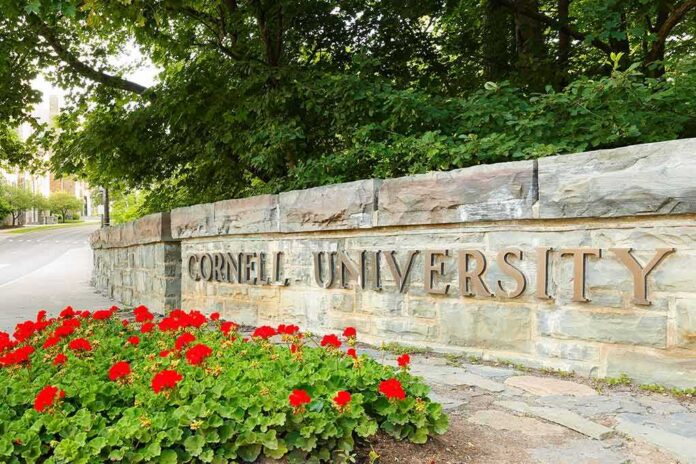
New York’s governor pulled the local prosecutor off Cornell’s most explosive case and handed it to the state attorney general after campus unrest and fresh scrutiny over how police and the university handled a 2024 fraternity assault allegation.
Story Highlights
- Governor Kathy Hochul named Attorney General Letitia James special prosecutor in the Cornell case.
- NBC reported campus police made a drug arrest at the Chi Phi house hours before the alleged assault.
- Jane Doe’s September 2026 lawsuit alleges she was drugged and assaulted by seven fraternity members.
- A defense lawyer says one named defendant denies assault and claims the encounter was consensual.
State Takeover Signals Deep Concern About Local Handling
Governor Kathy Hochul signed an executive order naming New York Attorney General Letitia James as special prosecutor in the Cornell investigation. The move followed public outrage and questions about how campus police and the local district attorney handled the 2024 allegations at the Chi Phi fraternity house. James said her office opened an active criminal investigation. A state takeover is rare and suggests leaders believe the process needs new independence and public trust.
NBC reported campus police responded to the Chi Phi house shortly after 1 a.m. on October 19, 2024. Police made a drug-related arrest and referred one person to student conduct, according to logs reviewed by reporters. The log did not name the person or identify the substance involved. That timeline matters because Jane Doe’s lawsuit says she was drugged and assaulted that night, raising questions about missed signals and follow-up.
The Lawsuit and What It Alleges
In September 2026, the former student filed a civil lawsuit naming Cornell University and seven Chi Phi members. The suit alleges she was drugged with ketamine and assaulted for hours at the fraternity house on October 19, 2024. Civil allegations are not criminal charges, but they lay out a factual narrative that can drive new evidence and official action. The lawsuit also challenges Cornell’s response under federal civil rights law, adding pressure on campus leaders.
Multiple outlets reported the university had already run Title Nine and conduct processes tied to the events and the fraternity. Those internal systems can produce discipline even without criminal charges, but they often leave both sides unhappy. Critics say these campus processes feel opaque and inconsistent. Supporters say they are faster and protect student safety. The Cornell case shows how these parallel tracks can clash and erode trust across the community.
Defense Denials and the Due Process Tension
A lawyer for one named defendant, Gillio Lopes, says his client “unequivocally denies” the allegations and asserts the encounter was consensual. The attorney also says Cornell previously investigated and built a record that differs from what is now public. These denials are statements, not proof, but they underscore the core tension: the need to take claims of drugging and assault seriously while also guarding the rights of the accused until evidence is tested.
Duke Lacrosse All Over Again? Democrats Rush to Judgment at Cornell…
😏🙃🤣
Four weeks before Election Day, Gov. Kathy Hochul has named Attorney General Letitia James as "independent special prosecutor" in the Cornell University sexual assault case.No criminal charges were…
— MovieWatcher II (@RetiredPitBoss) October 5, 2026
Campus protests, vandalism, and heated online debate reflect anger on all sides. Many students and parents believe the system shields elites and institutions first. Others fear reputations can be destroyed by allegation alone. This pattern is not new. Research shows campus sexual violence is often underreported, while fragmented systems make outcomes uneven. That mix breeds mistrust and fuels calls for outside investigators and clearer rules that apply to everyone, not just the well connected.
What This Means Beyond Cornell
The state intervention could set a precedent for other high-profile campus cases. If the attorney general’s probe confirms errors by local authorities or the university, lawmakers may push for automatic outside reviews when alleged crimes occur in school-run housing. If the probe clears officials, it may still drive reforms that tighten timelines, evidence handling, drug-testing protocols, and communication with victims and the accused, so communities see a fair and thorough process every time.
What to Watch Next
Watch for subpoenas, witness interviews, and any lab testing linked to the 2024 timeline. Look for whether the attorney general seeks a grand jury. See if Cornell updates its Title Nine procedures, event rules for recognized housing, or drug screening steps after medical visits. Finally, track whether civil discovery surfaces new messages or videos that clarify who was where and when. Transparent updates, backed by documents, are the only way to cool a campus already on edge.
Sources:
pjmedia.com, nbcnews.com, bbc.com, ag.ny.gov, reuters.com, abcnews.com, npr.org, foxnews.com
© standardnewsdaily.com 2026. All rights reserved.