President Trump’s $700 million coal initiative ties national defense to dependable baseload power, challenging green mandates that weakened America’s grid and jobs.
Story Snapshot
- White House directs long-term defense power deals with coal plants to secure on-demand baseload power for critical facilities [5].
- Energy Department reprograms more than $500 million to restart, retrofit, or modernize coal plants, using existing authorities [2].
- Opponents warn of consumer costs, while administration argues reliability, jobs, and national security justify the plan [4][5].
- Reports point to targeted funds for specific plants and regions as part of a broader reliability push [2][8].
Defense-Driven Coal Contracts Anchor Grid Reliability
The White House says an executive action directs long-term power purchase agreements between defense facilities and coal plants to guarantee uninterrupted, on-demand baseload power for military installations and critical infrastructure [5]. The directive positions coal as a national security asset after years of retirements and capacity shortfalls under prior policies. By tying dependable power to defense readiness, the administration contends it is strengthening resilience against blackouts, cyber risks, and peak-demand failures that intermittent sources and fragile transmission cannot cover consistently [5].
The policy asserts a clean break from mandates that favored intermittent generation without equivalent storage or dispatchable backup. Officials frame the coal fleet as an immediately available solution for round-the-clock electricity while transmission upgrades and firm generation remain constrained [5]. The administration’s focus on baseload reflects concerns that market distortions and rapid closures undermined reliability in coal-dependent regions. The directive leverages federal purchasing power to stabilize plants that supply critical voltage support, inertia, and fuel security during emergencies [5].
Funding Shift Targets Restarts, Retrofits, And Modernization
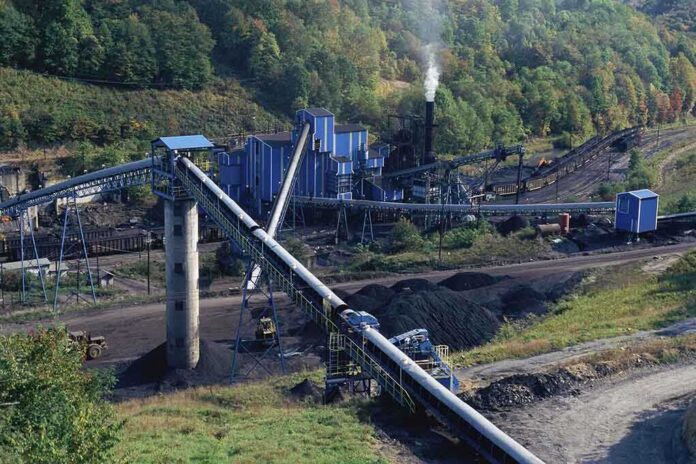
Energy Department documents, as reported by E&E News, indicate more than $500 million is being reallocated from unobligated accounts to build, restart, overhaul, or retrofit coal-fired plants, characterizing the move as exercising existing authorities and appropriations rather than launching a new program from scratch [2]. This approach seeks speed: reviving idled capacity, upgrading emissions controls, and extending plant lives to shore up reliability and jobs. The department describes the action as legally grounded and focused on immediate grid needs and affordability [2].
Regional reporting describes portions of the funding steered to specific plants, including facilities in Ohio, for modernization that keeps power online and preserves skilled employment in coal communities [8]. These targeted awards reinforce the administration’s contention that beneficiaries include energy consumers who depend on firm capacity during peak demand and extreme weather. Supporters argue that restoring dispatchable megawatts prevents price spikes and rolling outages that punish households and manufacturers when intermittent generation underperforms [8].
Critics Warn Of Costs While Administration Cites Security Payoff
Environmental groups and some analysts argue that orders to keep coal plants running could raise consumer costs by billions, contending that propping up aging units delays cheaper alternatives and modernization of the broader grid [4]. They claim reallocating funds to legacy generation amounts to subsidizing a declining industry, and that consumers shoulder diffuse costs while plant owners receive concentrated benefits. These critics urge channeling resources toward transmission, storage, and demand management rather than extending coal operations [4].
The administration responds that reliability failures, price volatility, and national security risks impose far greater hidden costs on families, seniors, and small businesses. White House materials emphasize increased energy supply, lower electricity costs, grid stability, and high-paying jobs as primary goals, asserting that dependable baseload reduces emergencies and shields critical infrastructure from power loss [5]. The policy frames coal as a strategic bridge that protects Americans while infrastructure and firm capacity catch up to stated reliability standards and national defense requirements [5].
What This Means For Families, Jobs, And The Constitution
For working families and retirees on fixed incomes, dependable power at predictable prices matters more than slogans. The coal plan seeks to prevent blackouts that endanger seniors, hospitals, and law enforcement while safeguarding industrial jobs that anchor local tax bases. By using lawful executive direction and existing appropriations for urgent reliability gaps, the policy aligns with limited-government priorities when compared with expansive mandates that reengineer markets and penalize consumer choice, according to administration framing and Energy Department descriptions [2][5].
Trump expected to announce $425M in government funding for 13 existing US coal plants plus $185M to build two additional plants.
— The Dive Feed (@TheDeepDiveFeed) June 4, 2026
The coming months will test whether targeted plant restarts and defense-backed contracts deliver tangible reliability and cost relief. If grid stability improves and outages decline, the case for dispatchable baseload becomes stronger. If critics’ cost projections materialize, Congress and states will demand adjustments. For now, the administration is betting that restoring firm capacity, preserving coal-country jobs, and fortifying defense facilities will prove a better bargain than continuing a path of fragile grids and energy scarcity warnings [2][4][5][8].
Sources:
[2] YouTube – Trump directs Pentagon to buy electricity from coal plants
[4] Web – Meet the coal plants that Trump and AI are restarting – Greenpeace
[5] Web – Independent Report Finds that the Trump Administration’s Orders to …
[8] Web – FACT SHEET: The Department of Energy Is Ending The War On …
© standardnewsdaily.com 2026. All rights reserved.