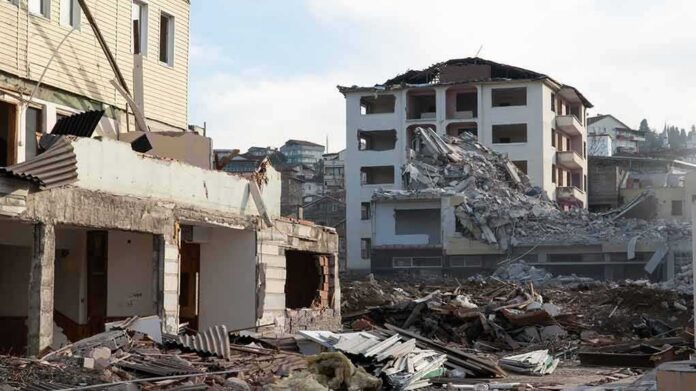
Rescue crews in Japan are racing to pull survivors from a collapsed Aeon Mall after a 7.1 earthquake shook Kumamoto Prefecture.
Story Snapshot
- Aeon Mall’s second floor in Kashima Town collapsed after a 7.1 quake, trapping people inside.
- Officials reported ongoing searches for missing shoppers and workers as aftershocks hit.
- Local reports described an explosion at the site; investigators have not confirmed a cause.
- Casualty counts changed as crews cleared debris, a common pattern in disasters.
What Happened at the Mall
Japan’s southern Kyushu region shook on Tuesday afternoon when a magnitude 7.1 earthquake struck Kumamoto Prefecture. In Kashima Town, part of the Aeon Mall’s second floor collapsed, leaving people trapped beneath broken concrete and metal. Local fire officials reported many people inside needed help as search teams worked through dangerous debris and aftershocks. The Japan Meteorological Agency measured strong shaking across the area. Power outages and damage slowed early rescue work at several sites.
National coverage described heavy damage at the mall and nearby facilities as emergency crews spread out. Reporters on the scene said rescuers pulled survivors from pockets under fallen beams and storefronts. Prime Minister Sanae Takaichi confirmed fatalities from the wider quake and said searches would continue into the night for those still missing. The mall collapse became the main focus because it likely held many shoppers and workers when the quake hit late in the afternoon.
Confusion Over Counts and Causes
Different outlets reported changing numbers of people trapped, missing, injured, or dead. That shift tracks with how disaster figures often move in the first day. Teams must check rosters, find families, and separate duplicate reports from different sites. Reuters noted crews were “frantically searching for survivors,” and officials were still reconciling lists as they worked. These swings do not mean the event is false. They show how hard it is to get exact counts while debris is still being cleared.
Several reports mentioned an explosion at the Aeon Mall after the initial shaking, along with smoke. Local coverage said police and firefighters treated the mall area as a possible gas incident while they searched. Officials have not confirmed what caused the blast or whether it played a role in the floor collapse. Investigators will review building plans, gas lines, and video to learn the sequence. For now, the cause remains under review, and safety teams are focusing on rescue first.
Why This Matters Beyond Japan
Earthquakes expose how fragile daily life can be when buildings fail. The collapse at a modern shopping center raises questions that many countries face. How strong are building codes in high-risk areas? How fast do inspections catch weak links after renovations? Do stores have clear drills to guide large crowds to safer zones? These are not partisan issues. They are basic promises of safety that people expect from both business owners and public officials during a crisis.
Americans watching this story may see their own worries in it. Aging structures, confusing rules, and slow responses can cost lives. Many on the right and left believe leaders wait too long to fix known risks. Clear standards, honest updates, and steady funding for resilience are the antidote. The first duty of any government is to protect life. When disasters hit, the measure is simple: did planning, oversight, and communication help people get out alive?
Sources:
instagram.com, channelnewsasia.com, people.com
© standardnewsdaily.com 2026. All rights reserved.