
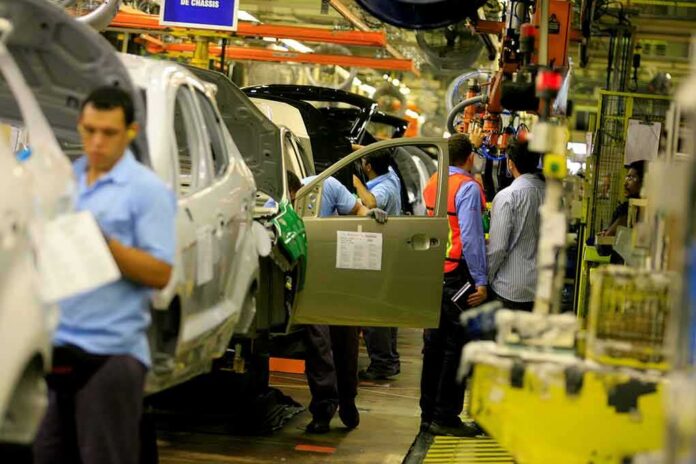
Mercedes-Benz just hit pause on new spending in Germany and is weighing plant closures, a shock that lays bare how fast high costs can gut an industrial icon.
Story Snapshot
- Mercedes-Benz froze further investment at German sites, citing high costs.
- Management is reviewing possible plant closures after talks with worker groups stalled.
- Executives said the move aims to restore competitiveness in a tougher market.
- The decision lands as Europe faces a surge of low-cost rivals and policy pressure.
What Mercedes Decided And Why It Matters
Mercedes-Benz told employees it is halting all further investments in Germany and reviewing whether to close some plants. A memo from production chief Michael Schiebe said the executive board reached this decision together. The message pointed to high manufacturing costs in Germany and failed talks on cost cuts with works councils. Management framed the pause as a step to stay competitive while demand shifts and pricing pressure grows across the market.
German broadcaster Deutsche Welle reported the same directive to freeze new spending at domestic sites. The board’s language was direct and suggested urgency. This is not a trim at the edges. It is a top-down stop sign on capital for Germany-based projects, at least for now. The review of closures signals the company will test each site on cost, flexibility, and model mix. Plants that cannot carry their weight will face hard questions.
Costs, Unions, And The Missed Deal
Reuters reported that talks with worker representatives had dragged on for months. The company sought savings to match lower-cost competitors. The sides did not land a deal, and the board moved ahead with the investment freeze and site review to regain leverage and time. In plain terms, labor and management ran out the clock. When costs stay high and markets turn tighter, the math catches up. This is that moment.
Public hints point to wages, staffing levels, and work rules as pressure points. No one disputes the value of skilled labor. But labor peace without cost realism invites decline. American conservative values lean on a simple test here: can the plant make world-class cars at a cost that wins? If yes, protect it. If not, change it fast or risk losing the whole operation. Mercedes appears to be choosing change, even if that means fewer German jobs.
The Competitive Squeeze: China’s Rise And Europe’s Bind
Europe’s auto sector faces a flood of capable rivals, many tied to China’s fast-growing industrial base. Analysts describe how Chinese investment raced into manufacturing after its property slump, creating capacity that now leans into export markets. That surge puts pressure on European prices and margins. Germany’s auto champions long rode premium branding and engineering. Today, cost-to-value ratios matter more, and the gap is hard to ignore.
Mercedes’ decision also sits in a global policy storm. In the United States, lawmakers floated rules that could limit connected car sales by companies with notable Chinese ownership, raising fresh uncertainty for firms tied to Chinese partners. Even if exemptions emerge, corporate boards see the signal: simplify supply chains, lower costs, and reduce political risk. Freezing home-market investment to rework the cost base fits that playbook.
Showdown At Home: Plants, Products, And A Clock Ticking
The near-term question is which German plants can adapt fast enough. Sites that build high-margin models with flexible lines have a path. Sites with rigid layouts and heavier staffing may not. Management will look for rapid wins: shift work patterns, add supplier co-location, and compress model changeovers. If unions return with credible savings, closures can be avoided. If not, the board’s memo already marked out the next step.
Congress has under 8 weeks to make the Chinese car ban permanent. 57 Senate cosponsors, one snag: a 15% ownership test that catches Mercedes-Benz. The software rule already covers model year 2027 cars.https://t.co/bDKamGK0LR#ConnectedVehicles #CES2027 pic.twitter.com/OdX5JKivXA
— Sparknify (@sparknify) November 11, 2026
Shareholders will ask where the money goes instead. Mercedes has pursued growth in markets where costs are lower and demand is steadier. Reports show the company and its German peers continue to place large bets abroad, including with Chinese partners. That strategy cuts per-unit costs and keeps model cycles moving. It also means fewer chips on the home table at a time when Berlin needs corporate investment to hold the industrial line.
The Conservative Read: Compete Or Retreat
Facts on the ground argue for a tough-love view. Protecting high-cost capacity with no fix drains cash, blunts innovation, and risks a bigger collapse later. The better route is open books, clear targets, and accountability across the shop floor. If German plants can beat a cost benchmark, fund them. If they cannot, right-size them and invest where customers are and costs make sense. That is not anti-worker. That is pro-survival.
Mercedes just told Germany the clock has run out on delay. The company will now judge plants by results, not by legacy. Worker leaders can still shape the outcome if they bring real savings and speed. If they do, investment can resume with a sharper focus. If they do not, closures will follow. Markets reward performance, not nostalgia. For a century-old brand in a knife fight, that is the only rule that counts.
Sources:
group.mercedes-benz.com, clashreport.com, live.euronext.com, bluewin.ch
© standardnewsdaily.com 2026. All rights reserved.