
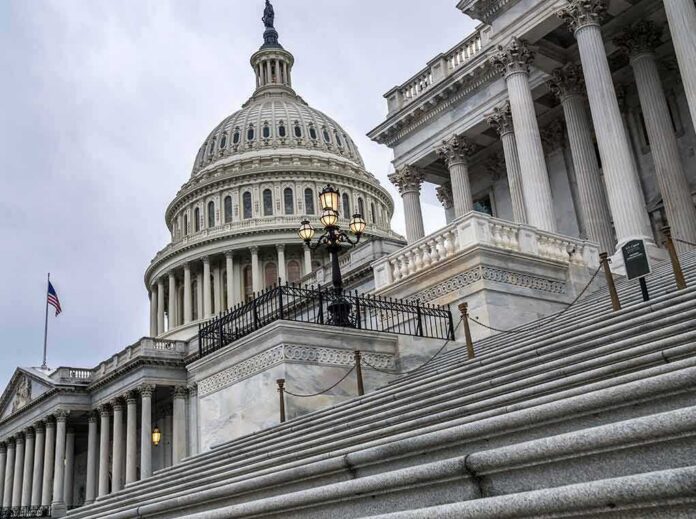
The Navy fired an entire nuclear submarine command team and told a reporter before telling Congress, triggering a sharp oversight warning.
Story Highlights
- House committee leaders said the Navy failed to notify Congress about the October 14 relief of the USS South Dakota’s top three leaders.
- Lawmakers learned of the firings only after a reporter asked the Navy for comment nearly a month later.
- Navy officials confirmed the action to media while no formal notice reached House Armed Services Committee leaders, according to reports and the letter.
- The letter ties the notification lapse to past safety incidents and the need for prompt oversight on readiness and crew safety.
Democratic Committee Leaders Flag Navy’s Delay
House Armed Services Committee ranking member Adam Smith and Seapower Subcommittee ranking member Joe Courtney said the Navy did not notify Congress when it relieved the commanding officer, executive officer, and chief of the boat of USS South Dakota (SSN 790) on October 14, 2026. Their November 12 letter states they first learned details after a reporter sought comment on November 11. They called the lack of notice unacceptable and outside past practice for serious ship matters.
Navy Times reported that lawmakers objected to learning of the action through media channels while the Navy confirmed the personnel move to a journalist. The outlet identified Commander Daniel Goodwin as the commanding officer who was relieved for a “loss of confidence,” while reasons for the executive officer and chief of the boat changes were not detailed. The Navy did not release a full investigative record at that time, according to the reporting and the lawmakers’ letter.
What Is Known About The Submarine And The Firings
Local reporting from Connecticut said the Submarine Force Atlantic public affairs office confirmed Commander Goodwin’s removal on October 14, citing a loss of confidence in his ability to carry out his duties. The office did not confirm whether there was a grounding or damage. The congressional letter referenced prior Navy mishaps to stress why swift communication to oversight committees helps protect sailors and readiness during any corrective actions.
The letter from Smith and Courtney linked the notification lapse to lessons from past incidents such as the destroyer USS John S. McCain collision and submarine groundings. The lawmakers argued that clear, timely communication enables Congress to make informed decisions affecting safety, maintenance, and fleet deployment. They said Congress had relied on good-faith communication rather than a statute mandating advance notice for these personnel actions.
Oversight Stakes And The Pattern Around Major Incidents
Defense reporting noted that significant at-sea incidents and command-triad removals have typically been shared with Congress as a matter of practice, even if not required by law. The congressional letter says this case broke with that tradition. That change matters because the Navy often announces a loss-of-confidence relief before releasing the full investigation, which means Congress needs the early heads-up to ask the right questions and track corrective steps that affect readiness and taxpayer dollars.
The U.S. Navy quietly dismissed several senior officers in recent months including the entire command team of the nuclear submarine USS South Dakota without issuing standard public notices, sparking sharp backlash from lawmakers in Congress over transparency.#USNavy #Congress… pic.twitter.com/J8ZFwmyKSj
— Hoot Republic (@HootRepublic) November 13, 2026
Navy history shows why speed matters. After the 2021 grounding of USS Connecticut, the Navy later released the command investigation and called the mishap preventable. Those records drove corrective actions and accountability. When Congress gets timely notice, it can monitor those steps in real time, not weeks later. That is the core issue raised here: not second-guessing command authority, but ensuring civilian oversight keeps pace with events that could impact the fleet and its crews.
What Comes Next For Congress And The Navy
House leaders asked for the Navy’s official notification timeline and details surrounding the October 14 relief. They pressed for answers on whether the incident involved grounding or seabed contact, whether any damage occurred, and how the Navy is protecting readiness while the submarine and crew recover. Their letter frames this as a transparency and safety question, not a partisan fight, and aims to restore reliable, prompt reporting to the committee of jurisdiction.
Why This Matters To Conservative Readers
Taxpayers fund the fleet, and families send their sons and daughters to serve. Civilian oversight is how the Constitution keeps the military answerable to the people through elected representatives. When an entire submarine’s command team is removed, Congress should not learn it from the press a month later. Swift, honest notice protects sailors, sharpens readiness, and respects the public’s right to know how leaders fix problems and spend defense dollars wisely.
Sources:
navytimes.com, theday.com, fetchlens.com, defensedaily.com, navy.mil
© standardnewsdaily.com 2026. All rights reserved.