Seven arrests, empty vans, and a U.S.-used bomber base on alert have reignited fears that threats are growing while answers stay hidden.
Story Highlights
- Police arrested men near Royal Air Force Fairford on explosives and terrorism grounds.
- Counter Terrorism Policing escalated the case to “preparation of a terrorist act” and kept it active.
- Officials later released suspects on bail; Associated Press reported no explosives found.
- A sixth U.K.-Iranian national was arrested as lines of inquiry widened.
What Police Say Happened Near the U.S.-Used Bomber Base
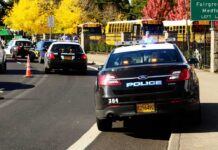
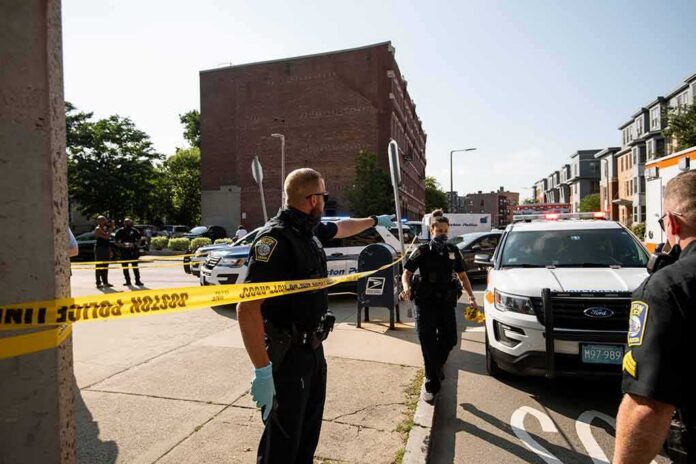
Gloucestershire Police said three suspicious vehicles were reported moving toward Royal Air Force Fairford on September 27, 2026. Officers arrested five men on suspicion of offences under explosives law and later on suspicion of preparing a terrorist act. Counter Terrorism Policing confirmed a terrorism-related investigation and said the men remained under investigation. Reports described evacuations, wide cordons, and bomb-disposal checks that fit a credible explosives concern at the time.
Police later released the five on bail with conditions while keeping the case open. The Associated Press reported no explosives were found after the arrests, which helps explain the bail decision but does not end the probe. Investigators said they were looking at multiple lines, including whether the men acted for a foreign state or on their own. The men were described as British nationals in their twenties by several outlets.
How the Case Grew: A Sixth Arrest and State-Link Questions
Days after the first detentions, police arrested a sixth person, a United Kingdom–Iranian dual national, on suspicion of preparing terrorist acts linked to the same incident. That step showed the scope had widened beyond the first traffic stop. Government leaders publicly weighed possible foreign ties while stressing the early stage of the case. Iran’s embassy in London rejected any link and called such claims unfounded and harmful, which kept formal attribution unsettled in public.
Royal Air Force Fairford’s role raised the stakes. The base supports United States bomber missions and has been tied in reporting to operations involving Iran, which is why any plot theory drew fast attention. Counterterror leaders said they were coordinating across agencies and urged against speculation. That caution matched the pattern in early counterterror cases, which often start with risk-driven arrests before evidence becomes public or charges are filed.
Why Both Sides of the Aisle Feel Uneasy
Residents saw cordons, bomb teams, and sudden arrests, then watched suspects walk out on bail. People on the right see a system that talks tough but hides facts. People on the left see sweeping powers used early with little transparency. Both worry that elites keep the public in the dark while national security and civil liberty both feel fragile. The lack of released forensic results and the careful police language feed that shared distrust.
🚨US Pulls 12 Bombers From Britain Amid Reported Iranian Drone Threat! What Comes Next? 🇺🇸🇬🇧
👉The US abruptly withdrew a dozen B-1 bombers from RAF Fairford on Sunday, October 4.
👉The Pentagon confirmed the deployed bombers returned to their home stations in the United… pic.twitter.com/WPEuv6K5vp
— International Stacker (@IntlStacker) October 5, 2026
The bigger lesson is structural. United Kingdom terrorism law allows arrests at very early planning stages to prevent harm. That can save lives. It also creates public ambiguity for weeks or months. When officials withhold details during an active case, rumor fills the gap. Headlines race ahead. Social posts amplify worst-case claims. Then, if tests find no explosives or if charges narrow, the whiplash deepens the belief that government either overreached or hid the ball.
What to Watch Next to Cut Through the Fog
Specific records will tell the story. Charging documents, if filed, would show the legal path from explosives suspicion to a section 5 terrorism claim. Forensic reports on the vehicles and any residue testing would clarify risk level. Communications evidence could show if the men coordinated or acted for someone else. Clear timelines from police logs would fix what officers knew before the arrests. Until those appear, the case remains serious but unproven in public.
Sources:
redstate.com, bbc.co.uk, aljazeera.com
© standardnewsdaily.com 2026. All rights reserved.