Trump is cheering Walmart’s price cuts as proof he’s fighting inflation, but the data shows most families are still getting squeezed at the checkout line.
Story Snapshot
- Walmart says it will use tariff refunds to lower prices on thousands of items, giving Trump a talking point.
- Independent checks show many Walmart groceries and basics still cost more than when Trump took office.
- Fact‑checkers say Trump’s claims about cheaper Walmart food bundles are mostly misleading, not a real fix.
- Both parties blame each other, while many Americans see a system that protects big players and leaves shoppers behind.
Trump’s Walmart Victory Lap Meets Sticker Shock Reality
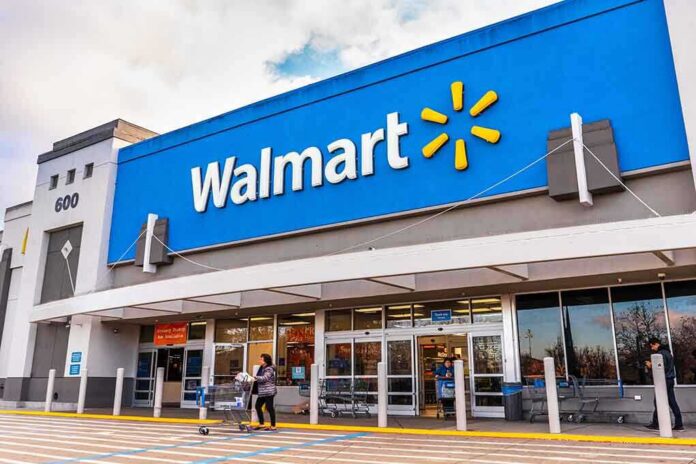
President Donald Trump has pointed to Walmart’s recent price moves as proof his economic policies are lowering costs, highlighting cheaper bundles like a Thanksgiving meal and new discounts tied to tariff refunds. Walmart has confirmed that it expanded temporary price cuts and now has thousands of items on rollback, which gives the White House something concrete to tout. But federal data and media analyses show that many everyday groceries, including beef, coffee, chocolate, and orange juice, are still more expensive than when Trump’s second term began.
Media fact‑checks add more doubt to the victory story. Reuters reported that Walmart directly denied claims it had slashed food prices back to “pre‑inflation” levels in Trump’s first month, calling that statement simply wrong. Other outlets found Trump’s favorite example, a cheaper Walmart Thanksgiving meal, mainly reflected shrinkflation: fewer items and smaller sizes, not truly lower food costs. For shoppers already angry about rising living costs, this gap between political talk and cart totals feeds the feeling that leaders are selling a story, not solving the problem.
What Walmart Is Actually Doing With Tariffs and Prices
After the Supreme Court struck down most Trump‑era tariffs, the federal government began refunding money to retailers that had paid those higher import taxes. Walmart executives told reporters they might use at least part of those refunds to cut prices, saying it was the “best investment” to help strained customers and keep them coming to its stores and gas stations. One analysis counted roughly 7,200 products already selling at reduced prices, including new bundles like grilling kits meant to feed a family for less per person.
At the same time, Walmart has warned there are limits to how much cost it can absorb. Its chief financial officer, John David Rainey, previously said that “excessive” tariffs would likely lead to higher prices for shoppers, because narrow profit margins make it hard to “eat the tariffs” forever. A separate NPR review of 114 Walmart items found nearly half were more expensive in 2025, with meat and snack staples among the biggest climbers. This mixed picture means Walmart is cutting some prices, but not turning the clock back to pre‑inflation days.
Fact‑Checkers, Inflation, and the Deepening Public Distrust
Major newsrooms have closely tested Trump’s specific Walmart claims. NBC News reported that while one Thanksgiving bundle dropped from about $55 to $40, the basket shrank from 29 items to 23. An economist quoted by a local fact‑check summed it up: families are paying less because they are getting less, not because the food itself became cheaper. Reuters also noted there is no official Walmart announcement saying it cut prices at Trump’s request when he took office, undercutting the idea that the company moved mainly due to politics.
Broader data on inflation backs up everyday experience. An NBC News price tracker showed grocery costs rising roughly 2.7 percent year over year, with ground beef up more than 20 percent and orange juice up close to 30 percent in Trump’s second term. Studies on consumer views find that most Americans still believe politicians can help lower food prices, but each side mostly trusts its own party to do it. When both Republicans and Democrats see prices rising while hearing claims that “costs are down,” it reinforces a shared belief that the political class talks to win elections, not to tell hard truths.
Why Both Left and Right Feel the System Is Rigged
Many conservatives over 40 blame years of global trade deals, “woke” spending, and green energy rules for today’s high costs, so Trump’s tariff push and pressure on Walmart sound like overdue muscle. Yet they also hear Walmart’s leaders say tariffs raised prices anyway, and they still see bigger bills for meat, gas, and basics. That makes it easy to suspect that corporate giants and government insiders will always protect themselves first, even when they claim to be on the side of workers and retirees.
Trump says Walmart cut prices at his request, but Walmart statement omits administration's rolehttps://t.co/u71Zyv9VfP
— Derek Karikari (@news_scout) July 7, 2026
Older liberals, meanwhile, see Trump celebrating isolated price cuts while the Consumer Price Index shows many essentials climbing. They worry that “America First” talk hides a system where big companies get refunds and tax breaks while low‑income families face eviction notices and empty fridges. Academic work on consumer behavior shows many shoppers now pick or boycott brands based on politics, yet inflation remains the top concern across party lines. Put together, the Walmart fight is less about one retailer’s discounts and more about a deep, cross‑party fear: that the rules are written by and for elites, while regular Americans argue over narratives instead of getting real relief.
Sources:
washingtontimes.com, reuters.com, san.com, nbcnews.com, reddit.com, facebook.com, youtube.com, npr.org, data.usatoday.com
© standardnewsdaily.com 2026. All rights reserved.