Libya’s top prosecutor says two pilots flew a Turkish private jet while intoxicated, then crashed it at Misrata Airport, and both are now in pre-trial detention.
Story Highlights
- Libyan prosecutors say the captain and first officer were intoxicated and ordered them detained.
- The Turkish-registered Cessna overran the runway at Misrata on September 14; no deaths were reported.
- Investigators say they inspected wreckage and reviewed air traffic control and weather data before the arrests.
- Early reports also mentioned engine trouble or a wrong-direction landing, showing a still-forming picture.
Prosecutors’ Finding and Detention Order
Libya’s Attorney General’s Office said it completed initial steps in its probe after a runway crash at Misrata International Airport on September 14. Officials said both the captain and first officer operated the aircraft while intoxicated, creating danger to people and property. Authorities then ordered pre-trial detention for both pilots as the investigation continues. The office framed the action as part of a standard criminal inquiry following an airport accident with significant damage.
Prosecutors described a process that went beyond a simple accusation. Investigators said they inspected the wreckage, reviewed air traffic control data and weather reports, and questioned landing technicians who handled the operation. After those steps, they confronted the pilots with intoxication allegations and moved to detain them. Officials have not released toxicology numbers or lab details yet, and they did not provide a public chain-of-custody record for any samples.
What Happened on the Runway
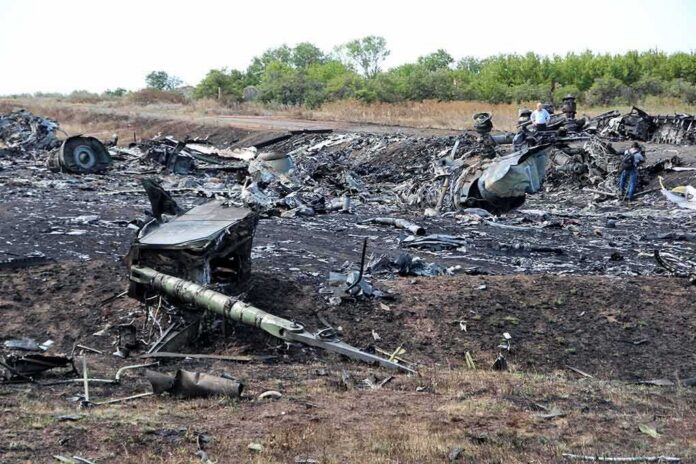
Reports agree on the basic incident: a Turkish-registered Cessna Citation Latitude overran the runway at Misrata and caught fire. The crew escaped without serious injury, and the airport halted flights for a time. Early accounts said the aircraft was landing after a flight from Istanbul. Fire crews responded quickly, and video shared online showed smoke near the runway. The event drew wide local coverage because it shut down operations and involved a foreign-registered business jet.
Initial news coverage carried different ideas about why the jet left the runway. Some reports pointed to a possible engine fault and an emergency landing. Other accounts cited pilot error, including a claim that the approach may have been aligned with the wind, not against it. Those early explanations did not include proof of impairment and came before prosecutors announced the intoxication finding and the detention of the crew.
Evidence Gaps and Why They Matter
The Attorney General’s statement is an early-stage finding, not a court verdict. The public record does not show toxicology thresholds, testing times, or lab accreditation. That missing detail leaves open questions about how intoxication was measured and tied to the overrun. Aviation cases often shift as data arrive. Final causes can involve speed control, runway conditions, or crew coordination, not just one headline factor. That is why investigators usually wait for full records before settling on cause.
Pilots detained in Misrata private jet crash after prosecutors find crew intoxicated
Libyan judicial authorities have ordered the pre-trial detention of the pilot and co-pilot of a Turkish private jet that crashed at Misrata International Airport on Monday, following forensic… pic.twitter.com/hBmN6aKTU5
— The Libya Observer (@Lyobserver) September 16, 2026
Confusion about crew identity added noise. One report said the captain was German and the copilot Turkish. Later reporting said all three crew members, including a flight attendant, were Turkish nationals. Such mismatches are common in the first days after an accident. They also show why transparent release of facts—audio, transcripts, and lab data—helps the public sort rumor from record. So far, prosecutors have not published those underlying files.
Why This Resonates Beyond Libya
People across the political spectrum worry that powerful players often dodge rules while the public bears the risk. Aviation is a high-trust system. If pilots flew drunk, that is a stark breach that feeds anger at weak oversight. If they did not, and the claim outran the facts, that would be another failure of basic accountability. Either way, clear evidence is the cure. Releasing test data, timelines, and cockpit records can restore trust faster than any press line.
What to Watch Next
Watch for the release of toxicology reports for both pilots, including sampling times and lab methods. Look for air traffic control audio, approach data, and performance analysis that show speed, configuration, and braking. Monitor whether authorities publish a final accident report that weighs weather, runway conditions, crew actions, and any impairment. Until then, the pilots remain detained, the criminal inquiry is active, and the public record points to intoxication as the official lead finding.
Sources:
insiderpaper.com, nampa.org, turkiyetoday.com
© standardnewsdaily.com 2026. All rights reserved.