After 90 minutes of talks, Palm Beach County deputies shot and killed an Army veteran they say pointed a gun at them, putting police crisis training under a hard spotlight.
Story Snapshot
- Sheriff says deputies negotiated for more than 90 minutes before the fatal shooting.
- Four agencies are investigating; involved deputies are on administrative leave.
- Sheriff says the man took an aggressive stance while holding a gun toward deputies.
- Florida and local training programs stress de-escalation, but outcomes can still turn deadly.
Deputies Describe Lengthy Negotiations Before Shots Were Fired
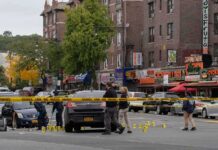
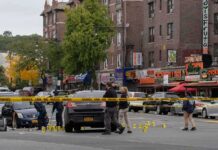
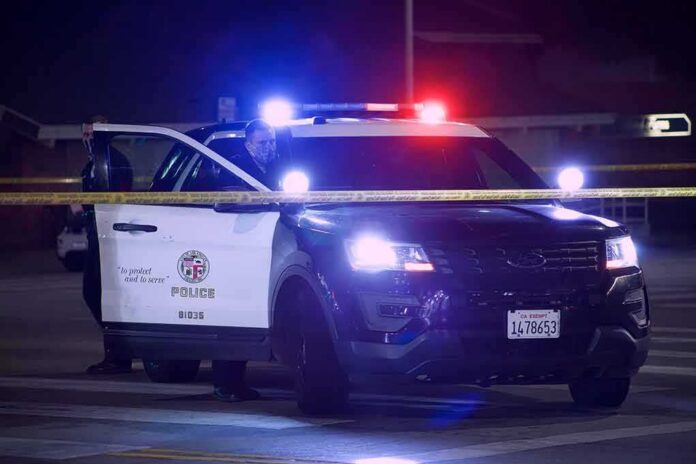
Palm Beach County Sheriff’s Office said deputies responded to Sandalfoot Square near Boca Raton on the night of October 28. The call reported a man in crisis who was armed and threatening suicide, later identified as Army veteran Steven Senfeld. Sheriff Ric Bradshaw said negotiators spoke with him from about 9:55 p.m. until 11:29 p.m. Deputies reported that he then took an “aggressive” stance while holding a handgun toward them. Deputies opened fire, and Senfeld died at the scene.
Sheriff Bradshaw said the goal was a peaceful end, but deputies believed they faced a lethal threat when Senfeld raised or pointed the weapon toward them. The sheriff’s office said multiple rounds were fired by deputies. Bradshaw said investigators were still reviewing details about rounds that appeared to hit a sheriff’s vehicle and said Senfeld did not fire at deputies, leaving that detail for forensic review. Officials did not release body-camera video or full audio records at that time.
Multiple Investigations and Standard Leave Protocols
Sheriff Bradshaw said the Florida Department of Law Enforcement is reviewing the shooting, along with the Palm Beach County State Attorney’s Office and internal divisions within the sheriff’s office. The involved deputies were placed on administrative leave, which the agency describes as standard after a shooting. The sheriff’s office did not release the names of the deputies. Officials said investigators will collect scene evidence, statements, and recordings as part of the process.
Officials emphasized that the external and internal reviews will assess whether the use of force followed state law and agency policy. That work often involves ballistics, radio and dispatch logs, body-camera video, and formal interviews. The agency has not announced a charging decision or a final finding. Those steps generally come later, after the Florida Department of Law Enforcement and the State Attorney complete their reviews and release their conclusions.
What Crisis Training Looks Like in Palm Beach County and Florida
The Palm Beach County Sheriff’s Office highlighted its behavioral health efforts after the shooting. Leaders said the office pairs detectives with clinicians and trains deputies, dispatchers, and corrections staff in verbal de-escalation and signs of mental illness. A county official said they teach personnel how to talk to people in crisis to lower the chance of violence. These programs aim to guide tactics during calls like the Sandalfoot Square response.
State training also covers mental health and crisis response. Reports describe Florida’s basic recruit course as including about 34 hours on mental illness, crisis intervention, veteran issues, and other vulnerable groups. A separate Crisis Intervention Team course is commonly taught over 40 hours and focuses on scene safety, communication, and referral options. These courses can help, but they do not guarantee a safe outcome when a firearm is present.
Why Communities Across the Spectrum Are Watching
Families, veterans, and civil libertarians worry about lethal force in mental health crises. Rank-and-file officers, business owners, and nearby residents worry about public safety when a gun is involved. Both concerns meet at scenes like this one. Police are often the first to arrive, and they must balance the person’s welfare with everyone’s safety. That tight window of decisions is hardest when a suicidal subject is armed and negotiations stall.
Research on Crisis Intervention Team training shows mixed results. Some studies link it to more verbal negotiation and lower-force choices. Other reviews find little or no overall effect on use of force across studies. Training can teach tools, but field outcomes depend on call specifics, access to clinical help, and the subject’s actions. When a gun is present, the margin for error is small, and choices become more urgent.
What Comes Next and What to Watch
Investigators will likely examine video, radio traffic, and ballistic evidence to build a minute-by-minute timeline. Those records can confirm how long negotiators engaged, what options they offered, and what changed before shots were fired. Findings from the Florida Department of Law Enforcement and the State Attorney will state whether the force met legal standards. The sheriff’s office may also conduct an administrative review of training and policy use during the call.
Sources:
military.com, palmbeachpost.com, wptv.com, cbs12.com, tapinto.net, wpbf.com, sun-sentinel.com, delraybeachnews.org
© standardnewsdaily.com 2026. All rights reserved.