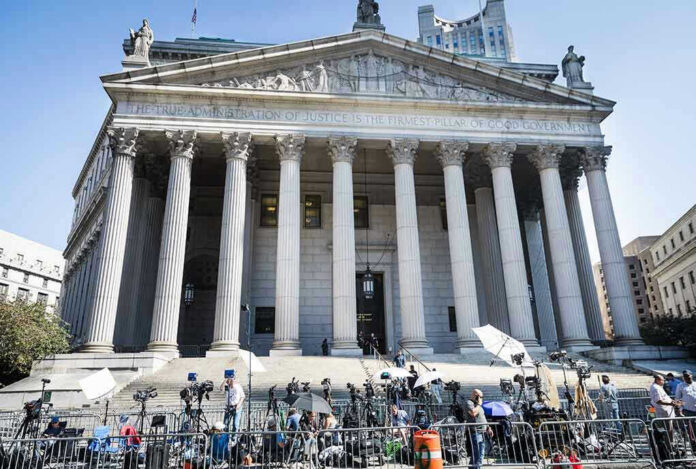
Federal agents executed 17 raids and arrested four in a 26-count case tied to more than $41 million in alleged Medicaid fraud in Minnesota.
Story Highlights
- FBI Director Kash Patel announced four arrests linked to a 26-count indictment.
- Agents executed 17 search warrants in one day across Minnesota.
- Charges include alleged schemes targeting Medicaid and autism therapy services.
- Officials say intended losses top $41 million, with over $21 million in actual losses reported.
Coordinated Raids Lead to Four Arrests in Minnesota Fraud Case
FBI Director Kash Patel said agents in Minneapolis executed 17 search warrants in one day, leading to four arrests under a 26-count indictment that targets alleged healthcare and childcare fraud in Minnesota. Officials said the schemes involved intended losses exceeding $41 million, with actual losses reported above $21 million to taxpayer-funded programs. Patel detailed the rapid, coordinated effort during a public briefing, underscoring that the crackdown reflects a broader push to protect vulnerable families and seniors from fraud.
Federal briefings identified the operation as part of the Trump administration’s ongoing “War on Fraud” initiative. Patel explained that the Federal Bureau of Investigation worked with federal and state partners to gather evidence and move quickly on arrests. Reporters in Minnesota confirmed that agents carried out the warrants across multiple locations connected to the alleged schemes. Officials said the four defendants now face federal charges, and prosecutors will pursue recovery of public funds where possible.
Named Defendant Charged in Autism Therapy Billing Scheme
The Department of Justice said a federal grand jury indicted Feisal Mohamed Elmi on eleven counts of healthcare fraud in an alleged $8.2 million scheme tied to Minnesota’s Early Intensive Developmental and Behavioral Intervention autism therapy program. Prosecutors allege Elmi submitted claims for services that were not provided, and for services said to be done by staff who were traveling or even outside the United States at the time. The indictment was filed on October 22, 2026, in the District of Minnesota.
Court documents state the charged conduct focused on false claims to Minnesota Medicaid for intensive autism services. Prosecutors allege records and billing data did not match actual service delivery. Investigators say this pattern inflated payments and diverted funds meant to help children with special needs. The Department of Justice emphasized that an indictment is a charge and the defendant is presumed innocent unless proven guilty in court, but it said the evidence supports moving forward with prosecution.
How Intended Loss and Actual Loss Shape Fraud Cases
Treasury officials said the alleged schemes produced intended losses above $41 million and actual losses over $21 million to public programs in Minnesota. In fraud cases, courts often consider both the money actually lost and the amount the scheme aimed to take. Federal case law explains that “intended loss” reflects the harm a defendant sought to cause, even if systems stopped some payments. Judges use these figures to guide sentences after convictions under federal guidelines.
Minnesota’s own data show the state has increased oversight across Medicaid, including the autism therapy program. Since 2020, the state reports 3,594 investigations, over $56 million identified for recovery, and 1,150 referrals to law enforcement. Officials also report stepped-up audits and site checks for the Early Intensive Developmental and Behavioral Intervention program to catch outlier billing and weak documentation. These efforts aim to verify services and stop improper claims sooner.
What This Crackdown Means for Taxpayers and Families
The arrests signal that federal and state teams are moving to defend taxpayers and vulnerable patients from fraud that drives up costs and weakens trust. Officials said the Minnesota operation reflects a larger national focus on program integrity under President Trump. By targeting billing scams, agents aim to protect families who rely on Medicaid and other safety-net programs. Stronger audits, faster referrals, and quick enforcement can save money and keep care focused on those who truly need it.
Investigators say more actions may follow as they process evidence from the 17 search warrants. Officials urged providers to keep clean records and follow program rules, and they encouraged the public to report suspected fraud. For conservatives who demand responsible spending and honest services, this case shows active oversight at work. The message is clear: when fraud hits taxpayers and kids with special needs, federal teams will step in fast and push for accountability.
Sources:
youtube.com, home.treasury.gov, abc3340.com, us.headtopics.com, x.com, kstp.com, mprnews.org
© standardnewsdaily.com 2026. All rights reserved.