Pakistan says it will defend Saudi Arabia “to any extent,” and it is now moving jets and troops to prove it.
Story Highlights
- Pakistan and Saudi Arabia have a mutual defense pact that treats an attack on one as an attack on both.
- Pakistan’s military vowed to defend the kingdom “to any extent,” calling its commitment unconditional.
- Saudi Arabia said Pakistan has deployed fighter jets and forces to bolster the kingdom’s security.
- The pact formalizes decades of cooperation and aims to strengthen joint deterrence against aggression.
What Pakistan and Saudi Arabia Agreed To
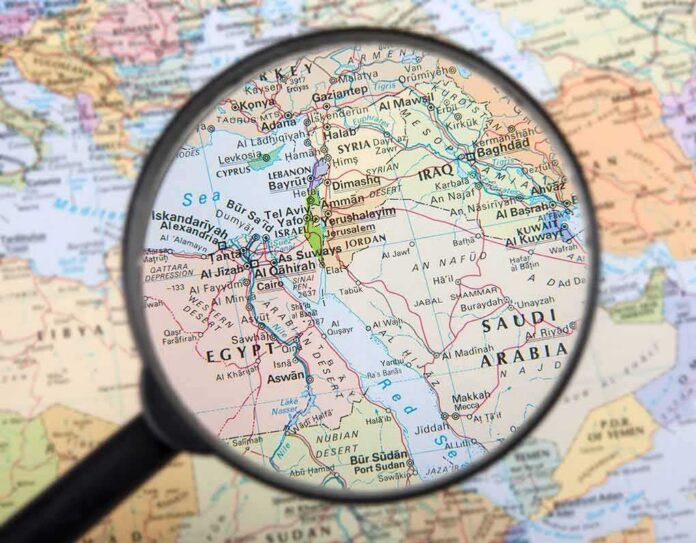
Saudi Arabia and Pakistan signed a Strategic Mutual Defense Agreement in September 2025. The core clause says any aggression against either country is aggression against both, echoing treaty language used to signal firm support. Saudi officials said the pact’s purpose is to deepen defense cooperation and build stronger joint deterrence. The agreement did not release a full text, but both governments highlighted the “attack on one is attack on both” promise as the centerpiece.
Pakistan’s Ministry of Foreign Affairs also described the deal as defensive. Officials said it builds on a long security relationship and is not aimed at any single third country. That message sought to calm fears that the pact might pull the partners into new wars. Yet the core pledge remains broad by design. It is meant to warn potential attackers that both states would respond if one is hit, adding weight to their security posture.
From Words To Actions: Pakistan’s Security Moves
Pakistan’s military spokesman said Islamabad will go “to any extent” to defend Saudi Arabia if it is attacked. He called the commitment unconditional, signaling resolve to deter threats that reach the kingdom’s territory or key assets. In April 2026, Saudi Arabia said Pakistan had already sent fighter jets and other forces to the kingdom under the defense pact. The deployment aimed to boost air defenses and reassure Saudi citizens and partners that the pledge is active, not just on paper.
Reuters reporting underscored that the pact pairs Saudi resources with Pakistan’s experienced military, including its air force. Saudi statements focused on force cooperation and deterrence, while avoiding details about specific rules for combat roles. The public emphasis stayed on readiness and support. That gives both sides room to scale their response as threats rise or fall, while keeping the core promise clear to rivals who might test their defenses.
Why This Matters For The Region—and For Americans
The pact formalizes decades of quiet Saudi-Pakistani security ties into a public vow. Think of it as a louder warning sign to hostile actors. The clear pledge can lower the chance of miscalculation, but it can also draw partners into fast-moving crises. For everyday Americans watching energy prices and shipping risks, steadier Gulf security can help. But if conflict widens, oil markets, trade lanes, and global inflation can all feel the hit at home.
**UPDATE**
Saudi-Houthi Strategy Watch
Material change in Saudi allied military backing: Pakistan’s military has now moved from conditional language to an explicit public commitment to physically defend Saudi Arabia against attack “to any extent.”
Pakistan’s military…
— Brilho do Norte (@BrilhoDance) September 17, 2026
Citizens across the political spectrum often worry that global elites make deals that regular people pay for. This story cuts both ways. Stronger defense ties can prevent attacks that spike fuel costs. Yet they can also deepen foreign entanglements that demand money, arms, and attention when our own borders, budgets, and communities need help. The key test is whether leaders keep the focus on clear goals, limited risks, and real accountability for how these pledges are used.
Sources:
en.wikipedia.org, aljazeera.com, arabnews.jp, thenews.com.pk, english.ahram.org.eg
© standardnewsdaily.com 2026. All rights reserved.