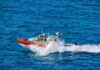
U.S. Southern Command says a go-fast drug boat on a known trafficking route was destroyed, leaving four suspected narco-terrorists dead, as the Caribbean crackdown intensifies.
Story Highlights
- Southern Command reported a lethal strike on a suspected drug-smuggling vessel in the Caribbean.
- Joint Task Force Western Hemisphere carried out the operation under Southern Command direction.
- Officials said confirmed intelligence tied the boat to active narcotics trafficking.
- Human rights groups criticized the campaign as extrajudicial killings, while media noted limited public evidence.
SOUTHCOM Details: What The Military Says Happened
U.S. Southern Command said Joint Task Force Western Hemisphere executed a lethal kinetic strike on September 9 against a fast boat on a known drug corridor in the Caribbean. The command said confirmed intelligence showed the vessel was actively tied to drug trafficking. The action destroyed the craft and killed multiple suspects labeled as narco-terrorists. Southern Command framed the strike as part of a wider effort to cut the flow of deadly drugs before they reach U.S. shores.
Command statements placed the operation within an ongoing maritime push that targets smugglers who use speed, stealth, and refueling at sea. Officials said the vessel fit that pattern and operated on routes long linked to transnational cartels. By using precision strike rather than a risky boarding, commanders aimed to neutralize a high-speed threat and protect U.S. and partner forces. The military did not publish the underlying intelligence, citing operational security, but affirmed the trafficking link.
Conflicting Reactions: Security Gains Versus Rights Critiques
Reuters reported that three people were killed, and highlighted rights groups who call these actions extrajudicial killings. Those critics demand public proof before lethal force is used at sea. They also question whether this approach fits peacetime law enforcement norms. Southern Command, by contrast, points to confirmed intelligence and the deadly harm cartels cause to American families through fentanyl and cocaine trafficking. That divide shapes the public debate after each strike.
CBS News coverage underscored that the government has not released evidence showing drugs aboard the destroyed boat. The report also noted claims from Democratic lawmakers that these strikes have not yet shown a major drop in drug inflows. Those critics want more transparency and traditional interdiction steps like boarding and seizure. Supporters argue the old playbook often let the fastest boats escape, while cartels adapted with refuelers and scouts that dodge patrols.
Strategic Context: A Shift From Boarding To Lethal Force
Analysts describe a shift from the long-standing coast guard model of detection, pursuit, and boarding, toward stand-off strikes against high-risk smuggling boats. Legal experts and advocacy groups continue to contest that change, arguing it pushes past established norms for maritime enforcement. A growing body of commentary tracks these operations and debates their legality, effectiveness, and rules for the use of force at sea. The discussion remains active as more strikes occur.
US military says it killed four ‘narco-terrorists’ after alleged drug boat strike in Caribbean #USmilitary #Caribbean #Guatemala #Mexico #Drugshttps://t.co/Fch9NzgUuT
— Matthew Parkhurst (@MatthewPar8130) September 20, 2026
For conservative readers, the stakes are clear. Cartels poison our streets, bankroll gangs, and fuel chaos near our border. Commanders say this strike hit traffickers before their product reached American towns. Critics want more public evidence and a return to slower, riskier boardings. The public will weigh two tests: does this approach cut supply, and does it keep our forces and communities safer? Southern Command says yes. Rights groups remain opposed.
Sources:
facebook.com, southcom.mil, foxnews.com, theepochtimes.com
© standardnewsdaily.com 2026. All rights reserved.