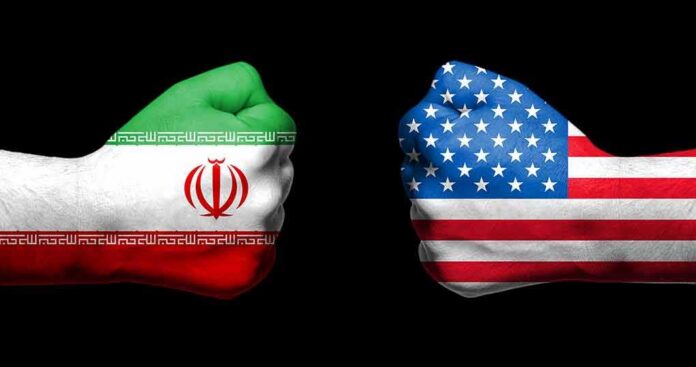
Two commercial ships were hit near the Strait of Hormuz, pulling the U.S. and Iran closer to a wider fight that could rattle global trade and U.S. wallets.
Story Snapshot
- U.S. Central Command blamed Iranian forces for attacks on commercial shipping and launched strikes in response.
- Iranian state media alternated between denying some roles and claiming retaliation, adding confusion over blame.
- President Trump moved to restrict Iranian shipping and warned against new mining in the waterway.
- The Strait of Hormuz carries major oil flows, so even brief disruption can hit prices and supply chains.
What Happened And Why It Matters
U.S. Central Command said Iranian forces attacked commercial shipping near the Strait of Hormuz and called those acts a ceasefire violation. The command described recent American strikes as a direct response to the ship attack and framed them as a warning shot to deter more hits on trade routes. The claim signals that Washington is treating the incidents as state-backed aggression, not random piracy. That framing raises the stakes for both governments and for shippers who rely on secure passage.
Iran sent mixed messages through its official and semi-official outlets. State media reported strikes on multiple tankers as retaliation for earlier U.S. actions and warned ships against using “unauthorized” routes. Other reports denied involvement in certain blasts or blamed mines and unnamed enemies. The shifting claims make it harder for outsiders to judge each attack. That uncertainty alone can slow traffic, spike insurance costs, and drive up energy prices worldwide.
Trump’s Moves And The Military Posture
President Trump directed the military to keep blocking traffic in and out of Iranian ports and to manage commercial flows for others, according to U.S. Central Command statements. The command also said U.S. forces had redirected over one hundred vessels to enforce limits on Iranian shipping. Trump warned that any vessel caught laying new mines would be destroyed, and he has stressed that cleared routes must stay open to trade. These steps aim to deter Iran while keeping other shipping moving.
Central Command also rejected Iran’s claim that a Panama-flagged tanker hit a naval mine, saying instead it was struck by Iranian weapons in two separate attacks. The command’s rebuttal sought to undercut Tehran’s narrative and tie recent damage to Iranian action. Competing claims like these are common in this waterway, where evidence can be scarce and rapid messaging shapes public views long before investigators publish firm results.
Why The Strait Is A Global Pressure Point
The Strait of Hormuz carries a large share of the world’s oil. Analysts track even small interruptions there because they can move markets fast. Research shows the corridor’s status has seesawed this year, with both sides claiming control while ships pick careful routes through a narrow channel. That fragile balance leaves traders, insurers, and consumers exposed to sudden shocks from even a few successful strikes. Each incident can ripple into fuel prices, shipping delays, and store shelf costs.
International maritime law protects “transit passage” through straits used for global shipping. That right does not depend on which nation’s territorial sea covers the water at any point. Legal experts point to those rules to argue that commercial ships should pass without interference. But when missiles, drones, or mines are in play, law on paper cannot remove risk at sea. Enforcement then falls to navies and escorts, which raises costs, crowds lanes, and feeds a cycle of incident and response.
What Both Sides Of U.S. Politics Are Watching
Americans who worry about high energy bills see danger in every new strike near Hormuz. Voters who want a tough line on Iran want safe lanes and clear red lines. Voters who fear another long war want proof that action will not drag the U.S. into a wider fight. Both groups share a core ask: honest facts and a plan that protects families from rising prices, supply shocks, and mission creep. Clear goals, tight rules for force, and regular updates would answer that call.
🚨🇺🇸🇸🇦 The U.S. has approved a potential $24.3 billion sale of up to 48 F-35 stealth fighters to Saudi Arabia as the kingdom faces an escalating threat from the Iran-backed Houthis.
Saudi Arabia and the Houthis have been exchanging strikes for days, with Houthi attacks targeting…
— Israel War Room (@IsraelWarRoom) September 18, 2026
For now, the facts are these: the U.S. military blames Iran for recent ship attacks and has answered with strikes. Iran’s messages range from denial to claims of retaliation. The legal norm says ships can pass, but the risk is real, and markets react fast. Every decision in Washington or Tehran can raise or lower the odds of a broader clash. The next move—diplomacy, more strikes, or tighter escorts—will decide if this crisis cools or spreads.
Sources:
cbsnews.com, time.com, indiatoday.in, reuters.com, abc45.com, thenationalnews.com, theguardian.com
© standardnewsdaily.com 2026. All rights reserved.