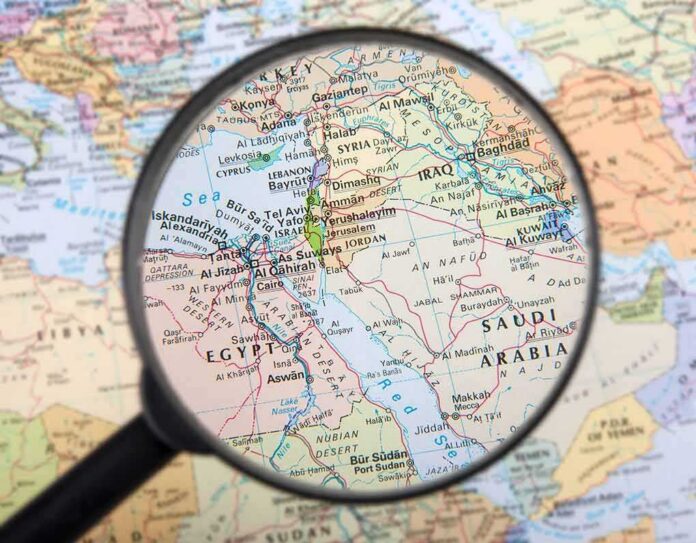
Saudi Arabia, Turkey, and Pakistan have signed a joint defense agreement that says an attack on one will be treated as an attack on all.
Quick Take
- The three countries signed the **Makkah Joint Defence Agreement** in Saudi Arabia.
- The pact says an armed attack on one member is an attack on all three.
- The deal builds on earlier Saudi-Pakistan defense ties and adds Turkey to the frame.
- The agreement comes after months of public signals, draft talk, and shifting reports about Turkey’s role.
What Was Signed
Saudi Arabia, Pakistan, and Turkey signed the new defense pact in Mecca during a meeting involving Saudi Crown Prince Mohammed bin Salman, Turkish President Recep Tayyip Erdogan, and Pakistani Prime Minister Shehbaz Sharif. The Pakistani Defense Ministry said the agreement is meant to strengthen collective security and promote peace, security, and stability in the region and beyond. Reuters reported earlier that the three governments had already been working from a draft after nearly a year of talks.
The pact’s core language is simple and far-reaching. It says any armed attack against one of the three states will be treated as an attack against them all. That makes the deal look like a collective-defense arrangement, even if officials have not released every operational detail. A Turkish official said the agreement does not replace existing bilateral or multilateral arrangements and is defensive in nature.
Why This Matters
This agreement gives formal shape to a security shift that has been building for months. Bloomberg reported in January that Turkey was seeking to join the Saudi-Pakistan defense pact, and Reuters later reported that draft text had already circulated among the three governments. That timeline shows how quickly regional alignments can move when governments see strategic value in signaling strength before every legal detail is public.
The broader meaning reaches beyond one ceremony in Saudi Arabia. Saudi Arabia and Pakistan already had a mutual defense agreement signed in September 2025, and the new pact expands that framework by bringing Turkey into a wider security structure. For the three governments, the deal sends a message of deterrence at a time of rising regional tension. For outside powers, it signals that old security habits are no longer guaranteed.
What Comes Next
The public record still leaves some questions about how the pact will work in practice. Reuters said in January that Turkish Foreign Minister Hakan Fidan confirmed talks had taken place but that no formal agreement had yet been signed at that time. Later reporting made clear that the deal was eventually signed, but the operational rules, command structure, and response steps are still not fully described in the available reporting. That missing detail matters because defense pacts often sound broader than they are until the text is released.
Saudi Arabia, Turkey and Pakistan signed the Mecca defense agreement, treating an attack on one member as an attack on all, per AP
The pact links three regional powers amid heightened security risks
— StockStorm (@StockStormX) August 7, 2026
For readers frustrated by weak or reactive government, the agreement fits a familiar pattern: states acting first to protect their own interests while public institutions lag behind events. The signing also underscores how much regional leaders now rely on direct security deals, not broad diplomacy, to show resolve. In a world where trust in government is low, this kind of pact is likely to be read as both a warning and a sign that the map of alliances is still changing fast.
Sources:
reuters.com, timesnownews.com, houseofsaud.com, en.wikipedia.org, roic.ai, dailysabah.com, bloomberg.com, turkishminute.com, chathamhouse.org, timesofisrael.com, globalsecurityreview.com
© standardnewsdaily.com 2026. All rights reserved.